
Major Drawback for Agencies in 2025

The Major Drawback for Agencies in 2025: Slow AI Adoption & How to Stay Ahead

The agency landscape has transformed dramatically in recent years. With digital marketing, creative production, and business operations evolving at lightning speed, one truth stands out in 2025: agencies that fail to adopt AI fast enough are falling behind. This slow adoption of AI-driven workflows has become the biggest drawback holding agencies back from scaling, innovating, and meeting client expectations.

Clients no longer want traditional solutions; they expect speed, accuracy, personalization, and data-driven results. As AI reshapes every industry, agencies resisting change risk losing market share, talent, and credibility.

Why Slow AI Adoption Is a Major Problem

1. Reduced Efficiency and Higher Costs

AI tools streamline repetitive tasks such as content creation, reporting, competitor analysis, and customer interaction. Agencies relying solely on manual workflows face:

  • Delayed project delivery
  • Higher operational costs
  • More time spent on execution instead of strategy

When competitors are achieving in minutes what takes others hours or days, speed becomes a critical advantage.

2. Losing Clients to AI-Enabled Competitors

Businesses want modern solutions. Clients are increasingly informed and aware of AI. Agencies not using AI-powered strategies risk clients thinking:

“If they’re not using cutting-edge tools, how can they help us grow?”

In 2025, companies are actively choosing agencies that automate intelligently, deliver data-driven insights, and move quickly. Traditional work models simply cannot keep up.

3. Workforce Burnout and Talent Loss

Manual workloads lead to burnout. Talented professionals don’t want to work in outdated environments where they compete with inefficient systems instead of innovating. AI doesn’t replace teams—it enhances them.

Agencies that fail to integrate AI:

  • Overwork their staff
  • Struggle to retain skilled talent
  • Slow down creative and strategic output

In contrast, AI-enabled teams stay motivated, productive, and creative.

4. Limited Innovation and Creative Potential

Some agency owners fear AI replacing creativity—but in reality, AI enhances it. It handles the groundwork, allowing creative minds to focus on big ideas, strategy, and customization.

Slow AI adoption results in:

  • Stagnant ideas
  • Limited experimentation
  • Lack of innovative campaigns

In 2025, creativity must be technology-driven to stand out.

5. Falling Behind in Data-Driven Decision Making

AI transforms data into strategy in real time. Agencies without AI depend on time-consuming manual research and outdated insights.

This leads to:

  • Poor targeting
  • Weak performance reporting
  • Slow reaction to market shifts

Data-driven marketing is the present and future—AI is the engine behind it.


How Agencies Can Avoid Falling Behind

Invest in AI Tools Instead of Fearing Them

From content automation to CRM intelligence and design assistance, AI tools replace effort—not talent. Identify tasks AI can automate and start experimenting.

Train Your Team

Upskill employees with AI courses, tools, and hands-on training. Teams who understand AI workflows outperform those trying to resist change.

Integrate AI with Strategy

The real power isn’t using tools randomly—it’s building AI-powered systems and processes into agency operations.

Be Transparent With Clients

Show clients how AI enhances creativity, accuracy, and efficiency. Make it your selling point.

Stay Updated

Technology is evolving fast. Consistent learning and adaptation will keep agencies relevant and competitive.


Conclusion

The biggest drawback for agencies in 2025 is not competition, pricing, or changing platforms—it’s slow adoption of AI-driven workflows. Agencies clinging to old systems will lose clients, talent, and growth opportunities. Those embracing AI smartly will thrive, scale faster, and deliver unparalleled results.

The choice is simple:

Adapt and lead—or hesitate and fall behind.

Future-ready agencies are not waiting. They’re building AI-powered systems today.
Cybersecurity in 2025

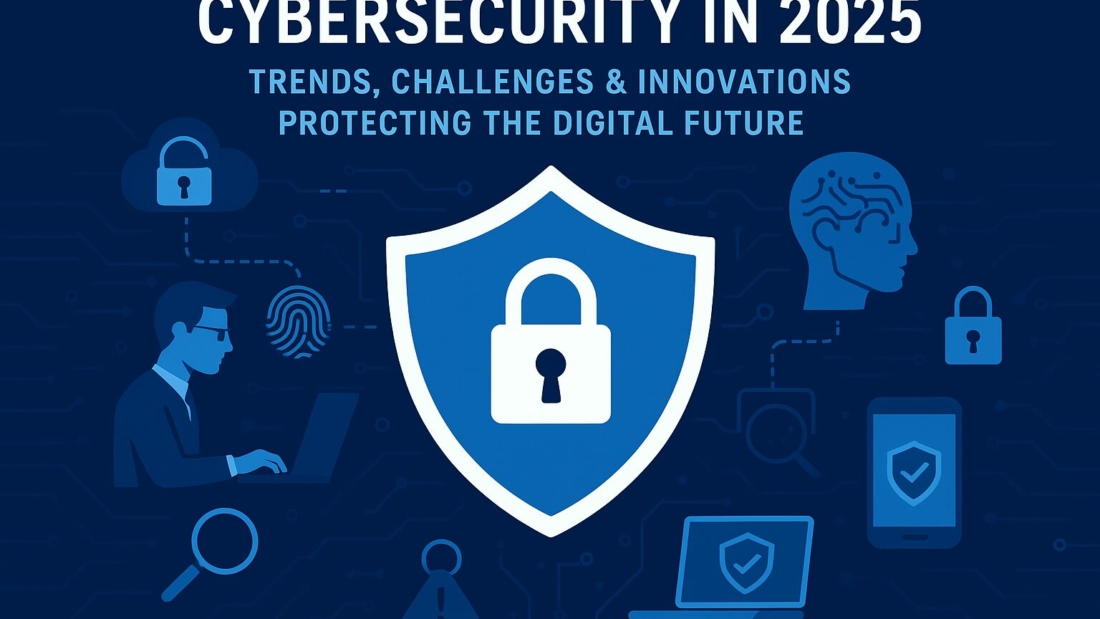
Cybersecurity in 2025: Trends, Challenges & Innovations Protecting the Digital Future

As digital transformation accelerates globally, cybersecurity has become a core priority for governments, enterprises, and individuals. In 2025, cyber threats are more sophisticated than ever, driven by advancements in artificial intelligence, the expansion of remote work, and the widespread adoption of Internet-connected devices. Cybersecurity is no longer just about installing firewalls — it is about building intelligent systems capable of detecting, preventing, and responding to attacks in real-time.

In today’s hyper-connected era, cyber attackers are leveraging emerging technologies, automation tools, and advanced social engineering techniques to bypass traditional defenses. Meanwhile, businesses worldwide are investing heavily in cyber-resilience strategies to protect their data, operations, and reputation. Here’s a detailed look at how cybersecurity is evolving in 2025, the challenges shaping the industry, and the innovations powering a more secure digital future.


1. Rise of AI-Powered Cybersecurity

Artificial intelligence is transforming cybersecurity in 2025. Traditional security systems relied on manual monitoring and rule-based detection, but cyber criminals have now started using AI to automate attacks and exploit system vulnerabilities faster than ever before.

To respond, organizations are implementing AI-driven defense systems capable of:

  • Real-time anomaly detection
  • Automated threat analysis
  • Predictive attack forecasting
  • Intelligent vulnerability scanning

AI security platforms can now detect unusual patterns within seconds and isolate compromised systems automatically. This proactive defense model reduces response times, minimizes human error, and strengthens overall system resilience.


2. Zero-Trust Architecture Becomes the Standard

The “trust no one” approach has moved from buzzword to business necessity. Zero-trust cybersecurity requires every user, device, network, and application to be authenticated continuously — even if they are inside the organization.

In 2025, companies are widely deploying:

  • Multi-factor authentication (MFA)
  • Identity & access management (IAM)
  • Micro-segmented networks
  • Continuous user verification

Zero-trust frameworks are particularly critical as hybrid and remote work environments continue to grow, making traditional perimeter security obsolete.


3. Growth of Ransomware-as-a-Service (RaaS)

Ransomware attacks are projected to break records in 2025. Criminal groups now operate like organized tech startups, offering ransomware-as-a-service tools on the dark web. Even individuals with no technical skills can launch attacks by renting malware and hacker-toolkits.

Key trends include:

  • Targeting hospitals, banks, and government systems
  • Encrypting cloud data & backups
  • Using AI for phishing automation
  • Expanding attacks against critical infrastructure

As a result, companies are investing in advanced endpoint security, employee training, and secure backup systems to mitigate ransomware risks.


4. Cloud Security Takes Center Stage

Cloud adoption continues to accelerate across industries, but cloud environments also bring unique vulnerabilities. In 2025, cyber attackers are exploiting misconfigured cloud storage, unauthorized access, and insecure APIs.

To counter threats, organizations are prioritizing:

  • Cloud access security brokers (CASB)
  • Cloud workload protection platforms (CWPP)
  • Encryption-everywhere policies
  • Secure DevOps (DevSecOps)

Businesses that take a proactive cloud-security approach are better positioned to protect sensitive data and maintain compliance with global privacy laws.


5. Biometric Security & Passwordless Authentication

Passwords are becoming outdated. In 2025, biometric and passwordless authentication systems have become mainstream in smartphones, enterprise platforms, banking systems, and secure devices.

New security methods include:

  • Facial and voice authentication
  • Fingerprint & retina scanning
  • Behavioral biometrics (typing speed, gestures)
  • Hardware security keys

These technologies help eliminate stolen passwords — one of the leading causes of cyber breaches.


6. Cybersecurity Skills Gap & Workforce Demand

Despite advancements in technology, human expertise remains essential. Organizations continue to face a global shortage of cybersecurity professionals. Roles in highest demand include:

  • Ethical hackers
  • Security analysts & architects
  • Incident response specialists
  • Cloud security engineers
  • AI security experts

Businesses are investing in employee cybersecurity training and partnering with cybersecurity firms to secure their systems.


7. Future Outlook: Building Cyber-Resilience

Cybersecurity in 2025 is not just about defense — it’s about building resilience. Organizations are adopting frameworks that ensure rapid recovery from attacks while maintaining business continuity.

Key focus areas include:

  • Cyber insurance policies
  • Automated incident response
  • Real-time threat intelligence sharing
  • Secure AI development practices

Infrastructure security, ethical AI usage, and global cybersecurity cooperation will play a major role in protecting digital ecosystems in the years ahead.


Conclusion

As cyber threats evolve, businesses must adopt smarter, faster, and more proactive security strategies. With AI-driven defense, zero-trust architecture, cloud-secured frameworks, and a skilled cybersecurity workforce, organizations can protect their assets and data in 2025 and beyond. Cybersecurity is no longer optional — it is a fundamental pillar of digital success.

AI-Powered Coding

Cursor 2.0: The New Era of AI-Powered Coding & Software Development

Artificial Intelligence has reshaped industries across the world — and software development is no exception. Today, coding is moving beyond the traditional approach of writing every line manually. With the introduction of advanced AI development tools, programming has evolved into a smarter, faster, and more collaborative experience.

Among these innovations, Cursor 2.0 stands out as a game-changing AI-first coding environment designed to significantly accelerate development productivity. This next-generation platform not only understands code — it writes, refactors, debugs, and helps developers build complete systems smarter than ever before.

Cursor 2.0 isn’t just a tool — it represents a new era of software creation where developers collaborate with AI in real time to turn ideas into production-ready code.


What Is Cursor 2.0?

Cursor 2.0 is an AI-powered code editor that integrates deeply with your project files, understands context, and helps write high-quality code faster. Unlike traditional IDEs and coding assistants, Cursor 2.0 is built from the ground up around AI-assisted development workflows.

Key capabilities include:

  • Natural-language-to-code generation
  • Intelligent code completion
  • Debugging and bug fixing suggestions
  • Code refactoring & optimization
  • Integrated documentation lookup
  • Real-time collaboration between developer & AI

Cursor 2.0 uses powerful LLMs and proprietary models that transform coding into a smooth conversational process — like having a highly skilled senior engineer working beside you 24/7.


Why Cursor 2.0 Matters

Software development has always been limited by time, complexity, and coding precision. Cursor 2.0 solves many modern developer challenges by:

✅ Reducing development time
✅ Improving code quality and readability
✅ Supporting multiple frameworks and programming languages
✅ Automating repetitive and tedious tasks
✅ Helping junior developers learn faster
✅ Allowing senior developers to scale output dramatically

In essence, Cursor 2.0 empowers developers to focus on logic, creativity, and architecture, while letting AI handle repetitive coding work.


Top Features of Cursor 2.0

1. Natural Language Coding

Simply describe what you want — and Cursor 2.0 generates accurate, optimized code. For example:

“Build a login page UI with Tailwind and JWT authentication API.”

Cursor generates the structure, functions, and even comments.


2. File-Aware AI Coding

Cursor reads your entire codebase, understands dependencies, and writes new modules that integrate perfectly with your architecture — something traditional AI chatbots cannot do at the same depth.


3. Autonomous Bug Fixing

Cursor can automatically locate bugs, suggest fixes, and debug step-by-step. It explains errors clearly, making debugging faster and easier — especially for large projects.


4. Smart Refactoring & Optimization

Need to simplify complex code? Migrate from one library to another? Improve performance?

Cursor 2.0 can:

  • Rewrite functions
  • Split logic into reusable components
  • Improve code readability
  • Suggest better design patterns

5. Team Collaboration Powered by AI

Cursor supports collaborative workflows where teams and AI work together — reviewing code, suggesting improvements, and maintaining consistency across large development environments.


Who Should Use Cursor 2.0?

Cursor 2.0 is ideal for:

👨‍💻 Software Engineers
🚀 Startup Founders & Tech Entrepreneurs
🎓 Students & Learning Programmers
👷 DevOps & Automation Engineers
🧠 AI Engineers & ML Developers
📱 Web & Mobile App Developers

Whether you’re building a SaaS app, startup MVP, automation scripts, blockchain dApps, or enterprise systems, the platform boosts productivity dramatically.


The Future of Software Development With Cursor 2.0

Cursor 2.0 marks the beginning of the AI-assisted engineering era, where development becomes:

  • More accessible
  • More efficient
  • Less error-prone
  • Innovation-driven

The role of a developer is shifting from manual coder to AI-powered architect — someone who combines creativity, logic, and strategic thinking with AI-accelerated execution.

This isn’t replacing developers — it’s giving them superpowers.

Just like calculators amplified mathematicians and design tools revolutionized architecture, AI-coding platforms like Cursor 2.0 will define the future of software creation.


Conclusion

Cursor 2.0 isn’t merely an upgrade — it’s a milestone in the evolution of coding. With its AI-deep integration, powerful code understanding, and intuitive workflows, Cursor sets a new development standard where human creativity meets machine intelligence.

Whether you’re building large-scale applications, experimenting with AI projects, or learning coding fundamentals, Cursor 2.0 offers the tools to accelerate your journey and elevate your work.

The future of programming is here — and Cursor 2.0 is leading the way.

Digital Marketing in 2025

Top Benefits of Digital Marketing in 2025: How Modern Strategies Drive Growth & Competitive Advantage

The digital world is evolving faster than ever, and businesses that once relied solely on traditional marketing are now embracing smart digital strategies to stay competitive. The year 2025 marks a major shift toward AI-driven marketing, advanced automation, predictive analytics, and hyper-personalized customer experiences. Digital marketing is no longer just an optional growth tool—it has become a core strategic necessity for every business aiming to thrive in the modern marketplace.

What Makes Digital Marketing Essential in 2025?

Consumers today are more connected, informed, and selective. With billions of daily digital interactions across social media, search engines, e-commerce platforms, and mobile applications, businesses must meet customers where they are. Digital marketing offers unmatched reach, precision, and scalability, allowing brands to attract the right audience and convert leads with measurable results.

Let’s explore the biggest benefits digital marketing offers in 2025.


1. AI-Powered Personalization for Higher Conversions

AI is transforming how brands connect with customers. In 2025, businesses can deliver:

  • Personalized ad campaigns
  • Tailored email recommendations
  • Behavior-based product suggestions
  • Dynamic landing pages

AI tools analyze user intent, interests, and behavior to deliver the exact message customers want at the right moment. This level of personalization has proven to significantly increase conversions, improve engagement, and build stronger customer loyalty.


2. Advanced Targeting & Audience Insights

Gone are the days of generic advertising. Digital platforms now provide deep audience insights including:

  • Demographics
  • Interests and preferences
  • Online behavior
  • Shopping patterns
  • Search intent

This helps businesses run highly focused campaigns and reach users ready to buy. With tools like Google AI Ads, Meta Advantage+, and LinkedIn targeting, businesses can connect directly with high-value customers and maximize ROI.


3. Cost-Effective Marketing with Better ROI

Compared to TV, billboards, and print advertising, digital marketing in 2025 delivers far better value. Businesses can:

  • Start with small budgets
  • Scale campaigns gradually
  • Track every dollar spent
  • Measure real-time performance

Channels like SEO, social media, email marketing, and content marketing provide long-term returns at a fraction of traditional advertising costs.


4. Marketing Automation Saves Time & Boosts Productivity

Automation tools handle repetitive processes, allowing businesses to focus on strategy and growth. In 2025, automation supports:

  • Lead nurturing sequences
  • Chatbots for instant customer support
  • Automated email flows
  • AI-driven social media posting
  • Automated reporting & analytics

This results in faster customer service, increased lead conversions, and streamlined operations.


5. Voice & Visual Search Optimization

With the rise of voice assistants and visual search tools, consumers are searching in smarter ways. Digital marketing strategies now focus on:

  • Voice-optimized SEO content
  • Visual-friendly product listings
  • AI-powered social commerce discovery

Businesses optimized for voice and visual search gain more traffic and conversions in 2025.


6. Social Commerce Continues to Dominate

Social media is no longer just a branding platform—it has evolved into a full e-commerce ecosystem. Platforms like Facebook, TikTok, Instagram, and Pinterest now allow users to:

  • Browse products
  • Watch demos
  • Speak with chat agents
  • Make purchases without leaving the app

This seamless buying journey increases impulse purchases and boosts sales significantly.


7. Real-Time Analytics & Performance Tracking

One of the greatest strengths of digital marketing is measurability. Businesses can monitor:

  • Traffic sources
  • Conversion rates
  • Engaged audience segments
  • Campaign performance
  • Cost per lead and ROI

Real-time data helps brands make smarter decisions, optimize strategies, and eliminate wasted advertising spend.


8. Global Reach With Local Targeting

Digital marketing breaks geographical barriers. Whether a business wants to target local customers or reach international buyers, modern tools make it possible. Features like geo-targeting, localized ads, and language-specific campaigns allow businesses to market smarter and scale globally.


9. Enhanced Customer Trust & Brand Authority

Through consistent online presence—blogs, videos, social media posts, and SEO-optimized content—businesses build trust and authority in their industry. Transparent communication, educational content, and personalized interaction help brands stay top-of-mind and influence buying decisions.


10. Competitive Edge in a Digital-First Economy

Businesses embracing digital strategies gain a competitive advantage by:

  • Reaching customers first
  • Understanding market trends faster
  • Offering better experience with AI tools
  • Adapting to consumer behavior in real-time

2025 is a digital-first world—companies ignoring digital transformation risk falling behind.


Conclusion

Digital marketing in 2025 is smarter, more automated, and more data-driven than ever before. Businesses leveraging AI, automation, analytics, and personalized content will lead the market. From cost efficiency and global reach to advanced targeting and powerful brand building, digital marketing remains the most valuable tool for growth and competitiveness in the modern era.

Whether you’re a startup, SME, or enterprise, now is the time to invest in digital marketing and harness its unlimited potential.