

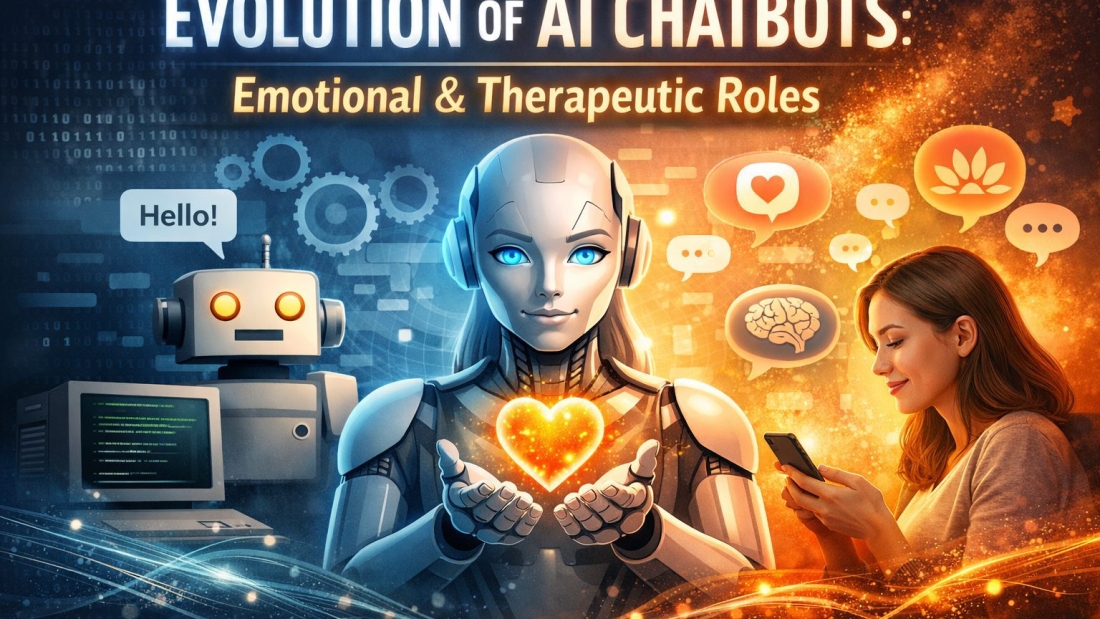
Introduction to AI Chatbots
What Are AI Chatbots?
AI chatbots are software programs designed to simulate human-like conversations using artificial intelligence. At first, they were simple tools—answering FAQs, booking appointments, or guiding users through basic tasks. But today, they’re much more than digital assistants. They listen, respond, and in some cases, emotionally support users.
Early Purpose of Chatbots
Initially, chatbots were built for efficiency. Think customer support queues and automated replies. Emotional understanding wasn’t even part of the conversation. The goal was speed, not empathy.
A Brief History of AI Chatbots
Rule-Based Chatbots
Early chatbots followed strict rules. If you said X, they replied with Y. No flexibility. No understanding. It was like talking to a flowchart.
The Rise of Machine Learning
Machine learning changed everything. Chatbots could now learn from data, improve responses, and adapt over time. Conversations started to feel less robotic and more natural.
NLP and Contextual Understanding
Natural Language Processing (NLP) allowed chatbots to understand context, intent, and meaning. This was the turning point that opened doors to emotional and therapeutic roles.
From Task-Oriented to Human-Centered AI
Shift in User Expectations
People no longer wanted just answers. They wanted understanding. When users started sharing emotions, stress, and personal struggles, AI had to evolve.
Emotional Intelligence in AI
Emotional intelligence in AI means recognizing emotions and responding appropriately. It’s not about feeling emotions—it’s about understanding them.
Understanding Emotional AI
What Is Emotional Intelligence?
In humans, emotional intelligence is the ability to recognize, understand, and manage emotions. In AI, it’s about detecting emotional cues through language, tone, and behavior.
Emotion Detection Technologies
AI uses voice patterns, word choices, and even typing speed to infer emotions like stress, sadness, or excitement.
Sentiment Analysis and Tone Recognition
Sentiment analysis helps chatbots understand whether a message is positive, negative, or neutral. Tone recognition adds another layer, making responses more human-like.
AI Chatbots in Emotional Support
Everyday Emotional Assistance
Feeling overwhelmed? Stressed at work? Many people now turn to chatbots for quick emotional check-ins. It’s like having a non-judgmental listener in your pocket.
Companionship and Loneliness Reduction
For people living alone or feeling isolated, AI chatbots act as companions. They don’t replace humans, but they fill emotional gaps when no one else is available.
Therapeutic Chatbots Explained
What Are Therapeutic Chatbots?
Therapeutic chatbots are designed to support mental health through structured conversations, exercises, and coping strategies.
CBT-Based Chatbots
Some chatbots use Cognitive Behavioral Therapy (CBT) techniques to help users challenge negative thoughts and develop healthier patterns.
Mindfulness and Stress-Relief Bots
These bots guide users through breathing exercises, meditation, and relaxation techniques—perfect for managing daily stress.
Use Cases in Mental Health
Anxiety and Stress Management
AI chatbots help users identify triggers, practice grounding techniques, and calm racing thoughts.
Depression Support
They offer daily check-ins, mood tracking, and gentle encouragement—especially helpful for those hesitant to seek human help.
Trauma and PTSD Assistance
While not a replacement for professionals, AI chatbots provide immediate support during emotional distress.
Benefits of AI Chatbots in Therapy
Accessibility and Availability
AI chatbots are available 24/7. No appointments. No waiting rooms.
Cost-Effectiveness
Therapy can be expensive. Chatbots provide affordable alternatives or supplements.
Reduced Stigma
Talking to AI feels safer for many people. No fear of judgment.
Limitations and Ethical Concerns
Lack of Human Empathy
AI can simulate empathy, but it doesn’t truly feel. That’s a major limitation.
Data Privacy and Security
Mental health data is sensitive. Ensuring privacy is critical.
Over-Reliance on AI
Relying solely on chatbots for mental health can be risky if serious issues are ignored.
AI Chatbots vs Human Therapists
Key Differences
Human therapists bring lived experience, intuition, and deep empathy. AI brings consistency and availability.
Complementary Roles
The future isn’t AI vs humans—it’s AI with humans.
Real-World Examples of Emotional AI Chatbots
Mental Health Apps
Many apps now integrate AI chatbots for mood tracking and emotional support.
Virtual Companions
Some AI companions are designed purely for emotional bonding and conversation.
The Role of Generative AI
Conversational Depth
Generative AI allows longer, more meaningful conversations that feel natural.
Personalization at Scale
AI adapts to user preferences, tone, and emotional patterns over time.
Cultural and Social Impact
Changing How We Seek Help
Asking AI for emotional support is becoming normal, especially among younger generations.
Acceptance Across Generations
While Gen Z embraces it, older generations are slowly warming up.
The Future of Emotional and Therapeutic AI
Multimodal Emotional AI
Future chatbots will understand voice, facial expressions, and body language.
AI and Human Collaboration
AI will support therapists, not replace them.
Challenges Ahead
Regulation and Governance
Clear rules are needed to protect users.
Bias and Fairness
AI must be trained responsibly to avoid harmful biases.
Conclusion
The evolution of AI chatbots from simple tools to emotional and therapeutic companions marks a major shift in how we interact with technology. While they can’t replace human connection, they offer support, accessibility, and comfort in moments when people need it most. The future lies in balance—using AI to enhance human well-being, not replace it.