
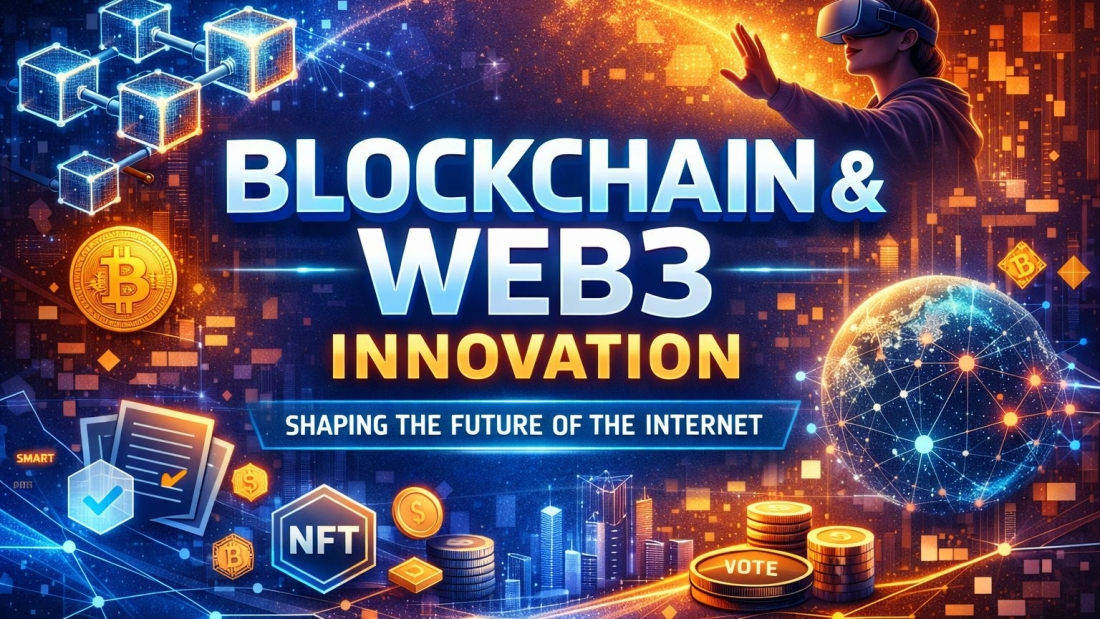
Blockchain and Web3 Innovation Shaping the Future of the Internet

Blockchain and Web3 Innovation: Shaping the Future of the Internet

Introduction to Blockchain and Web3

Let’s be honest—the internet is due for an upgrade. We’ve gone from static web pages to social platforms that know more about us than our closest friends. Now comes the next big leap: Blockchain and Web3 innovation. This isn’t just another tech buzzword. It’s a fundamental shift in how the internet works, who controls it, and who benefits from it.

If Web2 was about platforms, Web3 is about people.


What Is Blockchain Technology?

At its core, blockchain is a decentralized digital ledger. Instead of storing data in one central place, blockchain spreads it across a network of computers (called nodes). Every transaction is recorded, time-stamped, and locked in with cryptography.

Think of it like a shared Google Sheet that anyone can view but no one can secretly edit. Once data is added, it’s nearly impossible to change. That’s what makes blockchain trustworthy—even without a middleman.


What Is Web3 and How Is It Different from Web2?

Web3 is the internet built on blockchain technology. Unlike Web2, where big companies own your data, Web3 gives ownership back to users.

In Web3:

  • You control your identity
  • You own your assets
  • You interact peer-to-peer

No gatekeepers. No silent data harvesting. Just value flowing directly between users.


The Evolution of the Internet

Web1 – The Read-Only Era

Web1 was simple. You visited websites, read content, and that was it. No comments, no likes, no interaction. It was like reading a newspaper online.


Web2 – The Social and Centralized Web

Then came Web2—social media, e-commerce, cloud platforms. Interaction exploded, but so did centralization. Companies started owning platforms, data, and monetization.

Free services came at a hidden cost: your data.


Web3 – The Decentralized Future

Web3 flips the script. Instead of platforms owning everything, users participate in networks they help run. Ownership is embedded in code, not promises.


Core Components of Blockchain Technology

Distributed Ledger Systems

Every participant in the blockchain network has a copy of the ledger. This removes single points of failure and increases trust.


Cryptography and Security

Hashing

Hashing turns data into a fixed-length code. Change even one letter, and the hash changes completely. This keeps data tamper-proof.

Public and Private Keys

Your public key is like your email address. Your private key is the password. Lose it, and you lose access—no “forgot password” button here.


Consensus Mechanisms

Proof of Work

Used by Bitcoin, this requires computational power to validate transactions. Secure, but energy-intensive.

Proof of Stake

Validators stake tokens instead of using heavy computation. Faster, cheaper, and more eco-friendly.


How Web3 Builds on Blockchain

Decentralized Applications (dApps)

dApps run on blockchain networks, not central servers. That means no downtime, no censorship, and no single owner.


Smart Contracts Explained

Smart contracts are self-executing programs. When conditions are met, actions happen automatically—no middleman required.

Imagine a vending machine. You put in money, select a snack, and it delivers. No cashier needed.


Tokens and Cryptocurrencies

Tokens power Web3 ecosystems. They’re used for payments, governance, rewards, and access.


Key Web3 Innovations Changing Industries

Decentralized Finance (DeFi)

DeFi removes banks from the equation. You can lend, borrow, trade, and earn interest directly on the blockchain.


Non-Fungible Tokens (NFTs)

NFTs prove digital ownership. Art, music, game assets—if it’s digital, it can be owned.


Decentralized Autonomous Organizations (DAOs)

DAOs are internet-native organizations run by code and community voting instead of CEOs.


Metaverse and Virtual Economies

Web3 fuels virtual worlds where users own land, items, and identities—turning gaming into real economies.


Real-World Use Cases of Blockchain and Web3

Finance and Banking

Faster cross-border payments. Lower fees. Full transparency.


Supply Chain Management

Track products from origin to shelf. No more fake goods or hidden delays.


Healthcare

Secure medical records with patient-controlled access.


Digital Identity

One identity. Full control. No data silos.


Gaming and Entertainment

Play-to-earn models reward players with real value.


Benefits of Blockchain and Web3 Innovation

Transparency and Trust

Everything is verifiable. No hidden rules.

User Ownership and Control

Your assets, your data, your rules.

Enhanced Security

Decentralization makes hacking far harder.

Reduced Intermediaries

Faster transactions, lower costs.


Challenges and Limitations

Scalability Issues

Blockchains are improving, but speed remains a challenge.

Energy Consumption

Older networks consume high energy, though newer ones are greener.

Regulatory Uncertainty

Governments are still catching up.

User Experience Barriers

Wallets, keys, and gas fees can feel overwhelming for beginners.


Blockchain and Web3 for Businesses

New Business Models

Token-based memberships. Community ownership. Revenue sharing.

Token Economy and Incentives

Users become stakeholders, not just customers.

Improved Data Security

Less risk, more trust.


The Role of Developers in Web3

Solidity, Rust, JavaScript, Python.

Web3 Development Tools and Frameworks

Ethereum, Polygon, Solana, Hardhat, Truffle.


Blockchain, Web3, and Digital Marketing

Transparent Advertising

No fake clicks. No hidden algorithms.

Creator Economy and Direct Monetization

Creators earn directly from fans—no platform cuts.


The Future of Blockchain and Web3 Innovation

Simpler wallets. Better UX. Real-world integration.

Integration with AI and IoT

Smarter automation. Trustless machine interactions.

The Road to a Decentralized Internet

A web owned by users, powered by code, and governed by communities.


Conclusion

Blockchain and Web3 innovation isn’t about replacing the internet—it’s about fixing it. By removing unnecessary middlemen and restoring ownership to users, Web3 lays the foundation for a fairer, more transparent digital world. We’re still early, but one thing is clear: decentralization isn’t a trend—it’s the future.
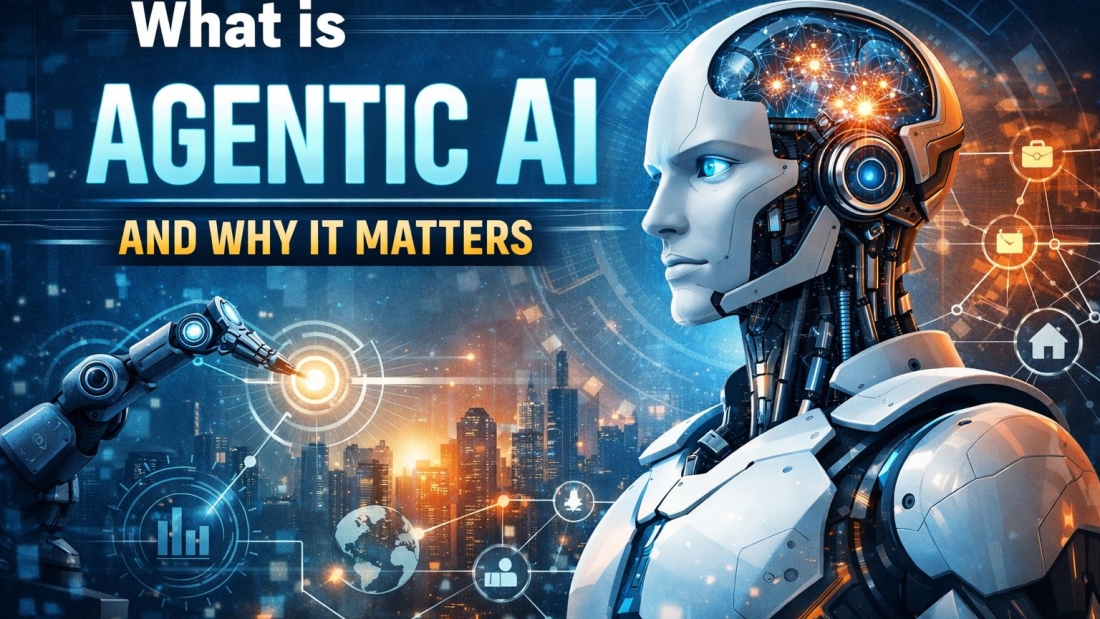
What is Agentic AI and Why It Matters

What is Agentic AI and Why It Matters

Introduction to Agentic AI

Artificial intelligence is no longer just about answering questions or generating text. We’ve entered a new phase where AI doesn’t just respond—it acts. This is where Agentic AI comes into play, and honestly, it’s a big deal.

The Evolution of Artificial Intelligence

AI started as simple rule-based systems. If X happens, do Y. Then came machine learning, where systems learned patterns from data. After that, generative AI arrived, capable of creating text, images, and code. But all of these still needed humans to tell them what to do, step by step.

From Reactive AI to Agentic Systems

Agentic AI flips the script. Instead of waiting for instructions, it takes initiative. You give it a goal, and it figures out the steps on its own. Think of it like the difference between a calculator and a personal assistant who plans your entire day.

What is Agentic AI?

Simple Definition of Agentic AI

Agentic AI refers to artificial intelligence systems that can autonomously plan, decide, and act to achieve specific goals with minimal human intervention.

In simple words: it’s AI with a sense of “agency.”

Core Characteristics of Agentic AI

Autonomy

Agentic AI can operate independently. Once a goal is set, it doesn’t need constant supervision. It decides what to do next, when to do it, and how to do it.

Goal-Oriented Behavior

These systems are driven by objectives. Whether it’s optimizing a business process or completing a project, every action is aligned with a defined goal.

Decision-Making Capabilities

Agentic AI evaluates multiple options, weighs outcomes, and chooses the best path forward. It’s less “tell me what to do” and more “here’s what I’ve decided to do.”

Learning and Adaptation

Just like humans learn from experience, agentic AI improves over time using feedback. If a strategy fails, it adjusts. If something works, it doubles down.

How Agentic AI Works

Agents, Goals, and Environments

At its core, agentic AI consists of an agent, a goal, and an environment. The agent observes its environment, takes actions, and evaluates results—all in a continuous loop.

Planning and Execution Loops

Agentic AI breaks down a large goal into smaller tasks. It plans, executes, checks progress, and replans if needed. It’s like having an AI project manager that never sleeps.

Feedback and Self-Improvement

Feedback is the fuel. The agent learns from success and failure, refining its approach with each iteration.

Agentic AI vs Traditional AI

Rule-Based AI vs Agentic AI

Rule-based AI follows predefined instructions. Agentic AI writes its own playbook based on the goal.

Generative AI vs Agentic AI

Generative AI creates content. Agentic AI takes action. One writes the plan; the other executes it.

Key Differences Explained Simply

If generative AI is the brain that thinks, agentic AI is the body that moves.

Real-World Examples of Agentic AI

Autonomous Virtual Assistants

Modern AI assistants can now schedule meetings, send emails, follow up with clients, and adjust plans without micromanagement.

AI Agents in Software Development

Agentic AI can write code, test it, fix bugs, deploy applications, and monitor performance—end to end.

Agentic AI in Business Operations

From managing ad campaigns to optimizing supply chains, agentic AI handles complex workflows automatically.

Agentic AI in Healthcare

AI agents can monitor patients, analyze data, suggest treatments, and alert doctors in real time.

Why Agentic AI Matters Today

Solving Complex Problems

Modern problems aren’t linear. Agentic AI thrives in complexity, adapting as conditions change.

Reducing Human Workload

Instead of doing repetitive tasks, humans can focus on strategy and creativity.

Faster and Smarter Decisions

Agentic AI processes data faster than any human team ever could.

Business Benefits of Agentic AI

Automation Beyond Tasks

This isn’t just automation—it’s orchestration. Entire workflows run autonomously.

Scalability and Efficiency

Agentic AI scales effortlessly, handling increased workload without burnout.

Competitive Advantage

Early adopters move faster, cut costs, and innovate quicker than competitors.

Agentic AI in Everyday Life

Smart Homes and IoT

From energy management to security, agentic AI makes homes smarter and more efficient.

Personalized Digital Experiences

Your apps, feeds, and recommendations adapt dynamically based on your behavior.

Risks and Challenges of Agentic AI

Ethical Concerns

Autonomous systems raise questions about accountability and responsibility.

Control and Alignment Issues

Ensuring AI goals align with human values is critical.

Security and Privacy Risks

Autonomous systems must be protected against misuse and attacks.

How Agentic AI is Different from AGI

Narrow Intelligence vs General Intelligence

Agentic AI is goal-driven but still narrow in scope. AGI would think like a human across domains.

Why Agentic AI Is a Step, Not the End Goal

It’s a powerful milestone, not the final destination.

The Future of Agentic AI

Multi-Agent Systems

Multiple AI agents collaborating like human teams is the next big leap.

Agentic AI in the Workplace

AI coworkers won’t replace humans—they’ll amplify them.

Long-Term Societal Impact

From productivity to innovation, agentic AI will reshape how we work and live.

Should Businesses Adopt Agentic AI Now?

When Agentic AI Makes Sense

If your workflows are complex and repetitive, the answer is yes.

Industries That Benefit the Most

Tech, healthcare, marketing, finance, and logistics lead the way.

How to Get Started with Agentic AI

Tools and Platforms

Frameworks like AutoGPT-style agents, LangGraph, and orchestration platforms are great starting points.

Skills Required

Prompt engineering, system thinking, and AI ethics matter more than ever.

Best Practices

Start small, monitor closely, and scale responsibly.

Conclusion

Agentic AI is not just another buzzword—it’s a fundamental shift in how artificial intelligence operates. By giving AI the ability to plan, decide, and act, we unlock a future where systems don’t just assist us, they collaborate with us. Whether you’re a business owner, developer, or everyday user, understanding agentic AI today puts you ahead tomorrow.

The rise of AI that creates multimodal content (text + image + video).

The Rise of AI That Creates Multimodal Content (Text + Image + Video)

Introduction to Multimodal AI

Let’s be honest—content creation has changed faster in the last two years than it did in the last two decades. We’ve gone from typing blog posts to generating full-blown visuals and videos with a single prompt. Sounds wild, right? Welcome to the era of multimodal AI.

What Does “Multimodal” Really Mean?

Multimodal AI simply means artificial intelligence that can understand and generate more than one type of content at the same time. Instead of working only with text, it can handle text, images, audio, and video—sometimes all in one workflow.

Think of it like a super-creative assistant who can write your script, design your visuals, and even produce a video without asking for coffee breaks.

Why Multimodal AI Is Gaining So Much Attention

Because people don’t consume content the way they used to. We scroll, skim, watch, swipe, and move on in seconds. Multimodal content grabs attention faster, tells richer stories, and keeps users engaged longer—and AI makes it scalable.


Evolution of Content Creation

From Text-Only AI to Visual Intelligence

Early AI tools were great at text—emails, blogs, captions. Useful? Yes. Exciting? Not really. Then came image generation, and suddenly AI wasn’t just writing—it was creating.

The jump from text-only to multimodal AI is like moving from black-and-white TV to 4K streaming.

Key Milestones in Multimodal AI Development

  • Natural language processing (NLP)
  • Computer vision breakthroughs
  • Generative adversarial networks (GANs)
  • Diffusion models for images and video
  • Unified multimodal transformers

Each step brought AI closer to understanding the world the way humans do—through multiple senses.


How Multimodal AI Works

Understanding Large Multimodal Models (LMMs)

At the heart of multimodal AI are large models trained on mixed data types. These models learn relationships between words, visuals, motion, and context.

Text Processing

AI understands prompts, tone, intent, and structure using advanced language models.

Image Understanding

Computer vision allows AI to recognize objects, styles, colors, emotions, and layouts.

Video and Temporal Data Analysis

Video adds time into the equation. Multimodal AI learns how scenes change, how actions flow, and how stories unfold frame by frame.


Text-to-Image Generators

Type a sentence, get an image. Simple. Powerful. Revolutionary.

Text-to-Video Platforms

From scripts to animated videos in minutes—no cameras, no studios.

All-in-One Multimodal AI Tools

These tools combine text, image, video, and even voice generation in a single platform. One prompt, multiple outputs.


Why Multimodal AI Is a Game-Changer

Speed and Efficiency

What used to take a team of writers, designers, and editors can now be done in hours—or minutes.

Creativity Without Limits

AI doesn’t get tired. It experiments endlessly, offering ideas humans might never consider.

Cost Reduction for Businesses

Lower production costs mean even small brands can compete with big players.


Use Cases Across Industries

Marketing and Advertising

Ad creatives, social posts, video ads—AI does it all at scale.

Education and E-Learning

Interactive lessons, explainer videos, visual aids—all generated instantly.

Entertainment and Media

Storyboarding, trailers, animations, and even short films.

E-Commerce and Product Visualization

AI-generated product images, demo videos, and lifestyle shots.

Healthcare and Training Simulations

Visual simulations help professionals learn faster and safer.


Impact on Digital Marketing

Personalized Campaigns at Scale

AI tailors content based on user behavior, preferences, and context.

Better Engagement Through Visual Storytelling

Stories hit harder when text, visuals, and video work together.

Social Media Content Automation

Daily posts, reels, thumbnails—automated without losing consistency.


Multimodal AI and SEO

Visual Search Optimization

Images and videos are now searchable. AI helps optimize them smartly.

AI-Generated Videos for SERPs

Video content increases dwell time and improves rankings.

Content Velocity and Consistency

More content, faster publishing, better topical authority.


Challenges and Limitations

Who owns AI-generated content? The rules are still evolving.

Bias in Multimodal Models

If training data is biased, outputs can be too.

Quality Control Issues

AI is powerful—but not perfect. Human review still matters.


Human Creativity vs AI Creativity

Can AI Truly Be Creative?

AI remixes patterns. Humans bring emotion, intuition, and lived experience.

The Role of Humans in an AI-Driven World

AI doesn’t replace creators—it amplifies them.


The Future of Multimodal Content Creation

Real-Time Multimodal AI

Imagine live AI-generated visuals during conversations.

Hyper-Personalized Media Experiences

Every user gets content tailored just for them.

AI as a Creative Partner

Not a tool. Not a threat. A collaborator.


How Businesses Can Prepare

Skills to Learn

Prompt engineering, AI strategy, content oversight.

Tools to Adopt

Multimodal AI platforms, automation tools, analytics.

Building an AI-Ready Strategy

Start small, experiment, scale fast.


Risks of Ignoring Multimodal AI

Falling Behind Competitors

Others will move faster, cheaper, smarter.

Losing Audience Attention

Static content won’t survive in a dynamic world.


Conclusion

The rise of AI that creates multimodal content isn’t a trend—it’s a shift. Text, images, and videos are no longer separate lanes. They’re merging into one powerful storytelling engine. Those who adapt early will lead. Those who resist? They’ll watch from the sidelines. The future of content is multimodal—and it’s already here.

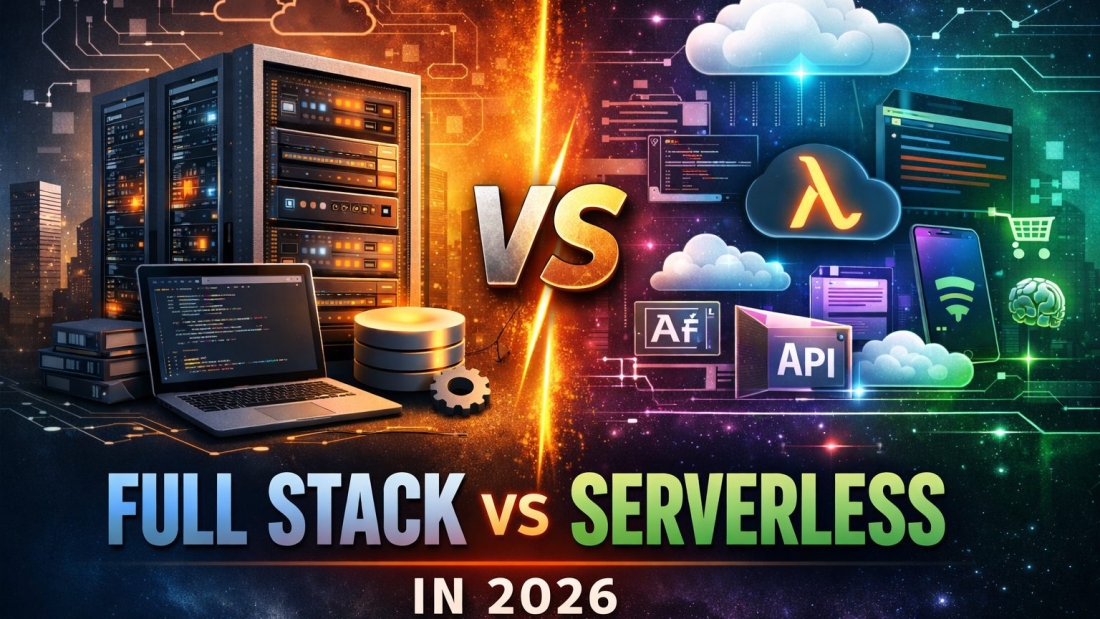
Full Stack vs Serverless in 2026

Full Stack vs Serverless in 2026

Introduction: Why This Debate Matters More in 2026

If you think the Full Stack vs Serverless debate is old news, think again. In 2026, this decision isn’t just technical—it’s strategic. With AI-driven products, global user bases, and tighter budgets, choosing the wrong architecture can slow growth like driving with the handbrake on.

So the big question is: Should you still build full stack applications, or is serverless the smarter move in 2026? Let’s break it down in simple, human terms.


What Is Full Stack Development?

Full stack development means you’re building and managing everything—frontend, backend, database, and often the server itself.

Think of it like owning a house instead of renting. You get full control, but you’re also responsible for maintenance, repairs, and bills.

Frontend Explained

This is what users see and touch. In 2026, full stack frontends commonly use:

  • React, Next.js, Vue
  • Tailwind CSS
  • AI-powered UI personalization

The frontend talks directly to your backend through APIs.

Backend Explained

The backend handles logic, authentication, data processing, and APIs. Popular stacks include:

  • Node.js
  • Django
  • Laravel
  • Spring Boot

You decide how it runs, how it scales, and how it connects to the database.

Databases and Infrastructure

Full stack apps usually rely on:

  • SQL or NoSQL databases
  • Virtual machines or containers
  • Kubernetes or Docker

Powerful? Yes. Simple? Not always.


What Is Serverless Architecture?

Serverless doesn’t mean “no servers.” It means you don’t manage them.

Imagine ordering food instead of cooking. You just eat—someone else handles the kitchen.

How Serverless Actually Works

Your app is broken into small functions that run only when triggered. No requests? No cost. Simple as that.

Each function:

  • Executes on demand
  • Scales automatically
  • Stops when the task is done

By 2026, the most common platforms are:

  • AWS Lambda
  • Azure Functions
  • Google Cloud Functions
  • Cloudflare Workers

These platforms are now faster, smarter, and more AI-integrated than ever.


Key Differences Between Full Stack and Serverless

Development Approach

Full stack follows a monolithic or microservices approach. Serverless is event-driven.

Full stack feels like building a factory. Serverless feels like assembling Lego blocks.

Infrastructure Management

  • Full stack: You manage servers, scaling, uptime
  • Serverless: Cloud provider handles it all

Less headache wins here.

Cost Structure

Full stack often means fixed costs. Serverless is pay-as-you-go.

If your app sleeps a lot, serverless saves money.

Scalability

Serverless scales automatically. Full stack needs planning and configuration.

In 2026, speed matters. Auto-scaling matters more.


Performance Comparison in 2026

Speed and Latency

Full stack apps offer consistent performance. Serverless is fast—but depends on execution timing.

Cold Starts vs Persistent Servers

Cold starts used to be serverless’s weakness. In 2026, they’re almost invisible, thanks to edge computing and AI pre-warming.

Full stack still wins for ultra-low latency systems, but the gap is tiny now.


Cost Comparison: Which Is Cheaper in 2026?

Serverless is cheaper for:

  • Startups
  • MVPs
  • Variable traffic apps

Full stack is cheaper for:

  • High, consistent traffic
  • Long-running processes

In short: spiky traffic = serverless, steady traffic = full stack.


Security Considerations

Security in Full Stack Apps

You control security, but you’re also responsible for:

  • Patching
  • Firewalls
  • Server hardening

One missed update = risk.

Security in Serverless Apps

Serverless reduces attack surfaces. No server access means fewer entry points.

However, misconfigured permissions can still cause trouble.


Developer Experience and Productivity

In 2026, developers value speed over complexity.

Serverless:

  • Faster deployments
  • Less DevOps
  • Cleaner workflows

Full stack:

  • More flexibility
  • More setup
  • More responsibility

If time-to-market matters, serverless feels like a cheat code.


Use Cases: When Full Stack Makes Sense

Choose full stack if you’re building:

  • Real-time gaming platforms
  • Financial trading systems
  • AI training pipelines
  • Legacy system integrations

You need control. Full stack gives it.


Use Cases: When Serverless Is the Better Choice

Serverless shines for:

  • SaaS platforms
  • APIs
  • Mobile backends
  • E-commerce
  • AI-powered microservices

If your app grows unpredictably, serverless is your best friend.


Impact of AI and Automation on Both Models

AI is changing everything.

In full stack, AI helps with:

  • Monitoring
  • Scaling predictions
  • Code optimization

In serverless, AI:

  • Optimizes execution
  • Reduces cold starts
  • Automates deployments

Serverless benefits more directly from AI in 2026.


Vendor Lock-in: A Hidden Risk in 2026

Serverless ties you closely to a cloud provider.

Full stack gives more portability.

If flexibility matters long-term, this is a big decision factor.


Scalability and Global Reach

Serverless apps deploy globally with a click. Full stack needs configuration and planning.

In a global-first world, serverless wins again.


Maintenance and Long-Term Sustainability

Full stack requires:

  • Ongoing maintenance
  • Dedicated DevOps
  • Higher operational costs

Serverless:

  • Minimal maintenance
  • Lower operational burden
  • Easier long-term scaling

Which One Should Startups Choose in 2026?

Most startups should go serverless.

Why?

  • Faster MVPs
  • Lower cost
  • Less infrastructure stress

You can always migrate later.


Which One Is Better for Enterprises?

Enterprises often choose hybrid models:

  • Core systems: Full stack
  • APIs & services: Serverless

Best of both worlds.


Expect:

  • More edge-based serverless
  • AI-managed full stack systems
  • Blended architectures

The line between full stack and serverless will blur.


Final Verdict: Full Stack vs Serverless

There’s no universal winner.

  • Want control? Go full stack.
  • Want speed and scalability? Go serverless.

In 2026, the smartest teams use both strategically.

Fine-Tuning Open-Source LLMs for Business Use

Fine-Tuning Open-Source LLMs for Business Use

Introduction to Open-Source LLMs

What Are Large Language Models (LLMs)?

Large Language Models, or LLMs, are AI systems trained on massive amounts of text to understand, generate, and reason with human language. Think of them as ultra-smart autocomplete engines that don’t just finish your sentences—but understand context, intent, and meaning.

Why Open-Source LLMs Matter for Businesses

Open-source LLMs give businesses freedom. Freedom from vendor lock-in, and to customize and control data. Unlike closed models, open-source LLMs let companies adapt AI exactly to their workflows, tone, and industry needs.


Why Businesses Are Moving Toward Fine-Tuned LLMs

Generic AI vs Business-Specific AI

Generic AI is like hiring a smart intern who knows a little about everything. Fine-tuned AI? That’s like training a senior employee who knows your business inside out. Businesses don’t want “almost right” answers anymore—they want precision.

Competitive Advantage Through Customization

When your AI understands your products, policies, customers, and language, it becomes a strategic weapon. Faster responses, fewer mistakes, and happier customers—all from one tailored system.


Understanding Fine-Tuning

What Fine-Tuning Really Means

Fine-tuning is the process of taking a pre-trained LLM and training it further on your own data. Instead of starting from scratch, you’re refining an already smart brain to specialize in your domain.

Fine-Tuning vs Prompt Engineering

Prompt engineering tells the model how to behave. Fine-tuning teaches the model what to know. Prompts are instructions; fine-tuning is education.

Fine-Tuning vs RAG (Retrieval-Augmented Generation)

RAG pulls information from external sources at runtime. Fine-tuning embeds knowledge directly into the model. The smartest setups often combine both.


Key Benefits of Fine-Tuning Open-Source LLMs

Cost Control and Ownership

Once fine-tuned, your model runs on your infrastructure. No per-request fees. No surprise bills. Long-term, this can save serious money.

Data Privacy and Security

Your data stays yours. Sensitive customer info never leaves your environment, making compliance and security much easier.

Better Accuracy and Domain Knowledge

A fine-tuned model speaks your industry’s language. Whether it’s legal terms, medical jargon, or internal acronyms—it just gets it.

Brand Voice and Consistency

Want your AI to sound professional, friendly, or bold? Fine-tuning ensures every response aligns with your brand voice.


LLaMA and LLaMA-Based Models

Highly efficient and widely adopted. Great balance of performance and resource usage.

Mistral and Mixtral

Known for speed and reasoning capabilities. Ideal for real-time business applications.

Falcon

Enterprise-friendly and powerful, especially for large-scale deployments.

BLOOM

Strong multilingual support, making it great for global businesses.


Business Use Cases for Fine-Tuned LLMs

Customer Support Automation

AI agents trained on FAQs, tickets, and policies can resolve issues instantly—24/7.

Sales and Lead Qualification

Fine-tuned models can analyze leads, personalize pitches, and even predict buying intent.

Marketing Content Generation

From ad copy to email campaigns, AI trained on your past content keeps messaging on-brand.

Internal Knowledge Assistants

Employees can query company docs like they’re chatting with a colleague.

Code Assistance and DevOps

Developers get AI helpers trained on internal codebases and best practices.


Preparing Your Data for Fine-Tuning

Choosing the Right Dataset

Quality beats quantity. Use real conversations, documents, and workflows relevant to your goals.

Data Cleaning and Formatting

Messy data leads to messy results. Clean, structured, and labeled data is non-negotiable.

Avoiding Bias and Hallucinations

Diverse datasets and validation checks reduce risks and improve reliability.


Infrastructure and Tools Needed

Hardware Requirements

GPUs are key. Depending on model size, even consumer-grade GPUs can work for small projects.

Cloud vs On-Premise Setup

Cloud offers flexibility. On-premise offers control. Choose based on budget and compliance needs.

Frameworks and Libraries

Popular tools include Hugging Face, PyTorch, and LoRA-based fine-tuning frameworks.


Step-by-Step Fine-Tuning Process

Model Selection

Choose a model aligned with your use case and resources.

Dataset Preparation

Format data into prompt-response pairs or instruction-based examples.

Training and Validation

Train gradually, monitor loss, and validate against real scenarios.

Testing and Deployment

Stress-test the model before rolling it into production.


Cost Considerations and ROI

Training Costs Explained

Costs depend on compute, time, and model size. Smaller fine-tuned models often outperform larger generic ones.

Long-Term Savings for Businesses

Reduced labor, faster workflows, and fewer errors mean strong ROI over time.


Common Challenges in Fine-Tuning LLMs

Overfitting Risks

Too much focus on narrow data can reduce flexibility.

Data Quality Issues

Bad input equals bad output—no exceptions.

Maintenance and Model Drift

Regular updates keep the model aligned with evolving business needs.


Best Practices for Business Success

Start Small and Scale Gradually

Pilot first. Expand once value is proven.

Combine Fine-Tuning with RAG

This hybrid approach delivers accuracy and flexibility.

Monitor Performance Continuously

Track responses, feedback, and KPIs to improve over time.


Future of Fine-Tuned LLMs in Business

Rise of Vertical-Specific AI

Industry-focused models will dominate the next wave of AI adoption.

AI as a Core Business Asset

Fine-tuned LLMs won’t be tools—they’ll be teammates.


Conclusion

Fine-tuning open-source LLMs is no longer a luxury—it’s a smart business move. It offers control, cost efficiency, and performance tailored exactly to your needs. In a world where generic AI is everywhere, customized intelligence is how businesses stand out.

Ransomware Prevention Strategies for Businesses

Ransomware Prevention Strategies for Businesses

Introduction to Ransomware Threats

Ransomware isn’t some far-off hacker movie concept anymore. It’s real, it’s aggressive, and it’s hitting businesses of all sizes—every single day. Whether you’re running a startup, a mid-sized company, or a large enterprise, ransomware doesn’t discriminate. If your data has value, attackers want it.

What Is Ransomware?

Ransomware is a type of malicious software that locks or encrypts your files and demands payment—usually in cryptocurrency—to restore access. Think of it like a digital kidnapping. Your data is the hostage, and the ransom clock starts ticking the moment you’re locked out.

Why Businesses Are Prime Targets

Businesses store sensitive data, customer information, financial records, and intellectual property. That makes them gold mines for cybercriminals. Plus, companies are more likely to pay to resume operations quickly. Attackers know this—and they exploit it.


The Real Impact of Ransomware on Businesses

Ransomware attacks hurt way more than just your IT systems. The damage spreads across the entire organization.

Financial Losses and Downtime

Downtime equals money lost. When systems are down, employees can’t work, sales stop, and customers get frustrated. Add ransom payments, recovery costs, and security upgrades, and suddenly the bill skyrockets.

Reputation and Customer Trust Damage

Customers trust you with their data. A ransomware attack can shatter that trust overnight. Once your reputation takes a hit, rebuilding it can take years.

Data breaches can trigger fines, lawsuits, and compliance violations—especially if you’re dealing with regulations like GDPR, HIPAA, or PCI-DSS.


Understanding How Ransomware Attacks Work

To stop ransomware, you first need to understand how it sneaks in.

Common Attack Vectors

Attackers don’t break in through the front door. They slip in through cracks you didn’t even know existed.

Phishing Emails

One fake email. One careless click. That’s all it takes. Phishing remains the #1 delivery method for ransomware.

Malicious Downloads

Free software, fake updates, or infected attachments can quietly install ransomware in the background.

Remote Desktop Exploits

Weak or exposed Remote Desktop Protocol (RDP) connections are a favorite target for attackers.


Building a Strong Ransomware Prevention Strategy

Prevention isn’t about one tool—it’s about layers.

Risk Assessment and Security Planning

Start by identifying your most critical assets and weakest points. A proper risk assessment helps you prioritize what needs protection the most.

Employee Awareness and Training

Your employees are your first firewall. Train them to recognize suspicious emails, links, and attachments. Awareness reduces risk—big time.


Importance of Regular Data Backups

Backups are your safety net. Without them, you’re gambling with your data.

Types of Backups

On-site vs Off-site Backups

On-site backups are fast but risky. Off-site and cloud backups protect your data even if your office systems are compromised.

Cloud Backup Best Practices

Use encrypted backups, limit access, and test restores regularly. A backup that doesn’t restore is useless.


Keeping Systems and Software Updated

Outdated software is like leaving your door unlocked.

Patch Management

Security patches fix known vulnerabilities. Delaying updates gives attackers an open invitation.

Automating Updates

Automation ensures updates happen consistently—without relying on human memory.


Using Strong Access Controls

Not everyone needs access to everything.

Password Management Policies

Strong, unique passwords reduce the risk of unauthorized access. Password managers help enforce this without driving employees crazy.

Multi-Factor Authentication (MFA)

MFA adds an extra lock to the door. Even if a password is stolen, attackers can’t get in easily.


Network Security Measures

Your network should be smart, segmented, and monitored.

Firewalls and Network Segmentation

Segmenting your network limits how far ransomware can spread. Think of it as fire doors inside a building.

Intrusion Detection and Prevention Systems

These systems spot suspicious behavior early—before damage is done.


Email Security as the First Line of Defense

Most ransomware starts in the inbox.

Spam Filters and Email Gateways

Advanced email filtering blocks malicious emails before employees ever see them.

Identifying Phishing Attempts

Teach staff to question urgency, strange links, and unexpected attachments.


Endpoint Protection and Antivirus Solutions

Traditional antivirus isn’t enough anymore.

Behavior-Based Detection

Modern tools detect suspicious behavior—not just known malware signatures.

EDR and XDR Solutions

Endpoint Detection and Response (EDR) and Extended Detection and Response (XDR) provide real-time visibility and fast response.


Zero Trust Security Model

Trust no one. Verify everything.

What Is Zero Trust?

Zero Trust assumes every request could be malicious—inside or outside the network.

Why Zero Trust Helps Prevent Ransomware

By limiting access and continuously verifying users, ransomware struggles to move laterally.


Incident Response Planning

Hope is not a strategy.

Creating an Incident Response Plan

A clear plan reduces panic and speeds up recovery.

Roles and Responsibilities

Everyone should know exactly what to do during an attack.

Communication Strategy

Clear communication prevents confusion, rumors, and mistakes.


What to Do If Ransomware Strikes

Even with prevention, attacks can happen.

Immediate Actions to Take

Isolate infected systems, notify your IT team, and activate your incident response plan.

Should You Pay the Ransom?

Paying doesn’t guarantee recovery—and it fuels cybercrime. Most experts recommend against it.


Managed Security Services for Businesses

You don’t have to fight alone.

Benefits of MSSPs

Managed Security Service Providers offer 24/7 monitoring, expertise, and faster response times.

When to Outsource Cybersecurity

If you lack in-house expertise or resources, outsourcing is often smarter—and cheaper.


Cybersecurity never stands still.

AI and Machine Learning in Cybersecurity

AI detects threats faster and adapts to new attack patterns.

Predictive Threat Intelligence

Proactive defense helps stop attacks before they start.


Best Practices Checklist for Businesses

Daily, Weekly, and Monthly Security Habits

  • Daily system monitoring
  • Weekly backups testing
  • Monthly security audits
    Consistency is key.

Conclusion

Ransomware isn’t going away—but that doesn’t mean your business has to be a victim. With layered security, educated employees, reliable backups, and a solid response plan, you can stay one step ahead. Think of ransomware prevention like insurance: you hope you never need it, but you’ll be grateful it’s there when you do.

How SGE (Search Generative Experience) Is Impacting Organic Rankings

How SGE (Search Generative Experience) Is Impacting Organic Rankings

What Is Search Generative Experience?

Search Generative Experience, or SGE, is Google’s attempt to integrate AI-generated responses directly into the search results. Instead of showing a list of blue links first, Google now places an AI-generated summary at the top, answering the user’s query instantly.

Why Google Introduced SGE

Google introduced SGE to make search faster, more conversational, and more intuitive. Users want answers, not long searches. SGE reduces time spent scrolling and offers smart, personalized responses using generative AI.

How SGE Works in Search Results

When you search on Google, SGE analyzes billions of pages and creates a summary. It appears above organic results in a colorful box called the “AI Snapshot.” This often contains:

  • Direct answers
  • Key points
  • Relevant sources

But this visibility comes at a cost for websites.


How SGE Is Changing the Search Landscape

Shift From Traditional Listings to AI Answers

Before SGE, users would scan multiple organic links. Now, SGE gives them everything upfront. Many users don’t feel the need to scroll anymore.

Reduced Click-Through Rates (CTR) on Organic Results

Because the AI answer appears above all links, users click fewer organic results. CTR drops even for pages ranking in the top 3.

Rise of Zero-Click Searches

SGE is accelerating the rise of zero-click searches—where the user gets their answer without ever clicking a webpage.


The Direct Impact of SGE on Organic Rankings

How SGE Pushes Organic Results Down

With SGE taking up major screen space, organic rankings get pushed “below the fold,” especially on mobile. Even if you rank #1, you may not be visible without scrolling.

Reduced Visibility for Informational Queries

Informational searches (like “How to lose weight” or “What is SEO?”) are most affected because SGE provides detailed summaries that remove the need to click.

Competitive Advantage for High-Authority Sites

SGE often pulls sources from:

  • High-authority websites
  • Government portals
  • Large publishers

Small sites struggle to get featured unless they build topical authority.


SGE and Its Effect on Different Types of Content

Impact on Blogs and Articles

Blogs see the biggest effect. Informational blogs now get fewer clicks because SGE summarizes everything.

Impact on Product and E-commerce Pages

E-commerce is impacted but less severely. Users still click:

  • Product pages
  • Reviews
  • Price comparisons
    Because SGE cannot provide product-specific details like stock or pricing.

Impact on Local SEO and Service Businesses

Local SEO benefits because SGE still relies heavily on:

  • Google Business Profiles
  • Maps data
  • Reviews

Local intent often leads users to click on websites.

Impact on YMYL Content

Google is extremely cautious with YMYL topics (health, finance, legal). SGE often avoids giving direct advice and instead recommends expert-reviewed content. High-trust websites see big gains here.


How to Adapt Your SEO Strategy for the SGE Era

Prioritize Helpful, Expert-Led Content

Google rewards content written or reviewed by experts. Add:

  • Expert bios
  • Credentials
  • Experience stories

Enhance On-Page Experience for AI Summaries

Break your content into:

  • Clear headings
  • Short paragraphs
  • Bite-sized facts
    to make it easy for AI to understand and reference.

Optimize for Conversational and Long-Tail Queries

SGE favors natural language searches. Optimize for:

  • “How do I…?”
  • “What is the best way to…?”
  • “Why does… happen?”

Build Strong Topical Authority

Cover your niche deeply. Create clusters around each topic so Google sees you as an expert.

Invest in Trust Signals (E-E-A-T)

Google prioritizes Experience, Expertise, Authority, and Trust.
Add:

  • Author pages
  • Case studies
  • Testimonials

Opportunities SGE Brings for SEO

If your content is clear, accurate, and valuable, SGE may cite your website in its answer.

Higher Value for Niche Expertise

Niche blogs and micro-experts have a big opportunity because AI needs trustworthy sources.

Better User Engagement for High-Quality Content

Users who click through after reading SGE summaries are high-intent visitors.


Challenges and Risks of SGE

Less Traffic Despite High Rankings

You may rank #1 but still experience traffic drops.

Dependence on Google’s AI Interpretation

Google decides what information is pulled, sometimes ignoring good-quality pages.

Increased Competition for AI-visible Spots

Everyone is now fighting for a tiny space in the SGE snapshot.


Future of SEO in an SGE-Dominant World

Prediction for the Next 3–5 Years

SGE will evolve into a more accurate and more widely adopted system. SEO will shift toward:

  • Experience-first content
  • AI-ready formatting

How Marketers Need to Evolve

Marketers must combine:

  • SEO
  • Content strategy
  • AI optimization

The Role of Human-Centric Content

AI can summarize, but it cannot replace:

  • Personal stories
  • Real experiences
  • First-hand data

Human content will always stand out.


Conclusion

SGE is reshaping SEO faster than expected. It’s lowering organic visibility, reducing CTR, and increasing zero-click searches. But it’s also opening new opportunities—especially for brands investing in quality content, topical authority, and human expertise. The businesses that adapt early will win the future of search.

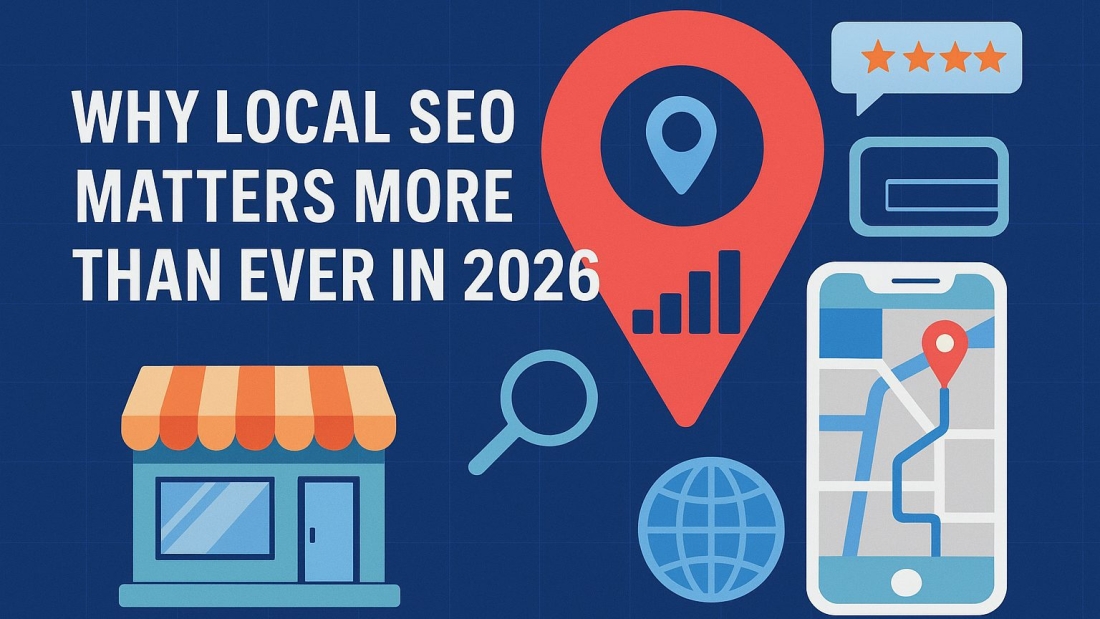
Why Local SEO Matters More Than Ever in 2026

Why Local SEO Matters More Than Ever in 2026

Introduction to Local SEO in 2026

Local SEO isn’t just a marketing trend anymore — it’s the backbone of how people find businesses around them. In 2026, search behavior has evolved so much that if a business isn’t optimizing locally, it’s practically invisible. Customers today want instant results, personalized suggestions, and businesses they can trust near them.

How Search Behavior Has Evolved

People no longer search for “best restaurant”; they search for “best restaurant near me open now.” They want fast answers, relevant options, and real-time information. That shift alone makes Local SEO more important than ever.

Search engines now understand micro-locations — not just cities but neighborhoods, blocks, and even buildings. Businesses need to optimize at that level to stay visible.


Understanding the New Local Search Algorithms

Google’s local search algorithm in 2026 is smarter, faster, and more intuitive. Instead of relying on basic keywords, it looks at behavior, intent, and context.

AI-Powered Ranking Factors

AI evaluates legitimacy, trust, consistency, and overall digital footprint. Local SEO isn’t just about keywords; it’s about signals.

Importance of Real-Time User Intent

Search engines prioritize businesses matching EXACT user needs in the moment — like proximity, availability, and relevance.

Local Authority Signals

Citations, reviews, local backlinks, and community engagement now act as authority boosters.


Voice Search and Local SEO

Voice search is booming in 2026 thanks to smart speakers, cars, and IoT devices.

Why Voice Queries Increased in 2026

People prefer talking over typing. It’s quick, easy, and hands-free — especially when driving or multitasking.

Optimizing for Conversational Searches

Voice searches sound natural. Businesses must target long-tail, question-based keywords.

Geo-Specific Voice Commands

Queries like “coffee shop near me that’s open 24/7” are common — hyper-local and time-sensitive.


Zero-Click Searches Dominate

Google often shows answers instantly, without requiring users to visit websites.

How SERPs Display Local Businesses

Local Packs, Knowledge Panels, and Map results appear before any website link.

Google Maps as the New Homepage

Most users don’t visit business websites — they check Maps for everything:
photos, reviews, hours, products, and menu items.

Being in the top three local results is now the digital version of being on a busy street.


Local SEO for Mobile-First Users

In 2026, 85%+ local searches happen on mobile.

Mobile Search Behaviors in 2026

People immediately want to:

  • call a business
  • get directions
  • check reviews
  • compare options

Click-to-Call & Instant Directions

These two features alone convert thousands of customers daily.

The Need for Faster, Smarter Websites

Slow, messy websites are a death sentence now. Speed and mobile responsiveness are major ranking factors.


Social Proof and User Trust

Consumers trust other consumers more than brands.

The Power of Local Reviews

Reviews influence both ranking and conversions. Businesses with recent, relevant, and positive reviews dominate.

Community Engagement as a Ranking Factor

Google tracks social signals, local involvement, and brand presence in community spaces.

Influence of UGC on Local SEO

User-generated content like photos and short videos boosts trust and helps Google understand what the business offers.


Local SEO and AI-Driven Personalization

AI personalizes search results based on patterns, history, and preferences.

How AI Predicts Local Buying Intent

AI knows what users want before they type — from food to retail to services.

Personalized Maps Results

Users get different map results based on their behavior, time, and preferences.

Smart Recommendations Based on Behavior

If a user usually picks budget options, AI shows budget-friendly businesses first.


Local SEO for Small vs Large Businesses

Local SEO levels the competitive field.

Leveling the Playing Field

Small businesses can compete with big brands simply by optimizing locally.

Importance of NAP Consistency

Name, Address, Phone number — the trio that must match everywhere online.

Multi-Location Optimization Strategies

Big brands must optimize each branch individually for best results.


Users can point their phone at a street and see business details instantly.

Predictive Search Queries

Search engines will offer suggestions BEFORE users search.

Smart Wearables and Local Discovery

Smart glasses and wearables will drive future local discovery.


Conclusion

Local SEO in 2026 is no longer optional — it’s essential. With smarter algorithms, AI personalization, and mobile dominance, businesses that invest in Local SEO grow faster, earn more trust, and get more customers. Whether you’re a small shop or a multi-location brand, now is the time to optimize before competitors leave you behind.

TikTok SEO – The New Goldmine for Brands

TikTok SEO – The New Goldmine for Brands

Introduction

TikTok was once a platform mostly for entertainment. Now it has evolved into a powerful search engine and a major marketing channel for businesses. Brands that understand TikTok SEO are positioning themselves in front of millions of active buyers every single day.

What Is TikTok SEO?

TikTok SEO is the process of optimizing your TikTok content to improve visibility in search results within the app. When users search for products, tips, services, and solutions, the top-ranking videos get the most attention and conversions.

Why It Matters in 2026

Consumers are shifting from traditional search engines to TikTok for quick, real-life results. If your brand does not show up where people are searching, someone else will.

How TikTok Became a Search Engine

TikTok delivers instant answers from real people, which makes it more relatable and faster than typical web searches.

Gen Z’s Search Habits

A large percentage of younger users prefer TikTok over Google when looking for product recommendations, places to eat, or life tips. The content feels more real and less filtered.

TikTok vs Google

Google provides long text-based results and websites full of ads. TikTok provides real experiences in short, to-the-point videos. That is why audiences trust it more for everyday decisions.

Why Brands Should Care

Ranking on TikTok means more eyes, more engagement, and more sales. Appearing in TikTok search is equal to receiving continuous, free traffic with high intent to buy. It is one of the best opportunities for brands with limited marketing budgets.

The TikTok Algorithm Explained (Simply)

TikTok prioritizes content based on performance, not popularity. Even accounts with zero followers can go viral if the content is relevant and engaging.

What Signals TikTok Loves

  • Longer watch time
  • Rewatches
  • Shares and saves
  • Comments that show interest
  • Relevant keywords

The more people interact with the video, the higher TikTok will push it.

How to Optimize Content for TikTok SEO

1. Use Keywords in Captions

Captions should include terms users are searching for. Being specific helps TikTok understand your topic and rank your content correctly.

2. Speak the Keywords in Videos

TikTok detects spoken keywords. When you verbally say what the video is about, you strengthen search visibility.

3. Smart Hashtags

Hashtags should describe the content’s niche, audience, and sometimes location. Generic hashtags are no longer effective.

4. Effective Video Hooks

The first three seconds decide whether people stay or scroll. A strong hook improves watch time, which boosts rankings.

TikTok’s New Search Features

Search Keywords Above Videos

Optimized videos often show a keyword bar above the video. That indicator means your content is ranking for that search topic.

Searchable Comments

Comments containing keywords also help ranking. Encourage viewers to ask questions related to your topic.

TikTok Content That Ranks Best

People are always searching for solutions.

Tutorials and How-To Videos

Educational content builds authority and ranks very well.

Reviews and Storytelling

People trust honest reviews and real experiences, so they naturally perform better in search.

Business Industries Winning with TikTok SEO

Beauty and Fashion

Products go viral and sell out quickly thanks to influencer trust and trends.

Food and Travel

Local restaurants, cafes, and destinations get huge exposure through TikTok reviews.

Tech and Ecommerce Brands

From product demos to side hustle tools, TikTok boosts awareness and drives instant purchases.

Influencers + TikTok SEO = Instant Reach

Collaborating with creators improves credibility and helps brands rank faster. Influencers are the new frontline of product discovery.

Mistakes Brands Make

  • Overusing generic hashtags
  • Making highly polished ads that feel inauthentic
  • Ignoring engagement
  • Lack of a content niche
  • No keyword strategy

Audiences prefer genuine, casual content that feels real and relatable.

Future of TikTok SEO

TikTok will introduce more tools that improve search insights, local SEO capabilities, and advanced analytics. As users continue to rely on TikTok for discovery, brands that master ranking will dominate their industries.

Conclusion

TikTok SEO is not a future trend. It is happening right now. Brands that learn this skill are gaining massive visibility and customers at little cost. If your business wants consistent growth, TikTok SEO is a major opportunity you should not ignore.

Start optimizing your content today. Your target audience is already searching.

Work-Life Balance in 2026 Reality or Myth

Work-Life Balance in 2026: Reality or Myth?

Introduction

Let’s be honest — “work-life balance” is one of the most talked-about topics today. Everyone wants it, few think they actually have it. With remote jobs booming and AI taking over tasks, 2026 feels like the year where balance should finally be real… right?

Well, the truth is a little messy.

What Exactly Is Work-Life Balance?

Work-life balance simply means giving your work and personal life the time, energy, and focus they deserve — without one destroying the other.

Why Everyone Talks About It

Because burnout isn’t fun. No one wants to live just to finish deadlines and collapse into bed every night.

The Future of Work in 2026

The way we work has transformed dramatically.

Remote, Hybrid & Flex — The New Norm

People are ditching long commutes and choosing flexibility. Now work can happen:

  • From home
  • At a café
  • On a vacation (maybe 👀)

But mixing home and work also means boundaries get blurry.

Rise of AI & Automation in Work-Life

AI is doing the boring stuff — scheduling, emails, and some heavy tasks.
Good news: more free time.
Bad news: expectations are higher. 😬
Free time can quickly become “do more!” time.

The Changing Definition of “Success”

We’re done with the “work 24/7 to win” mindset.

From Hustle Culture to Healthy Living

In 2026, success = health, happiness, passion + making money.
People prefer slow mornings over loud motivational speeches.

Technology: A Blessing or a Curse?

Tech keeps us connected to work — literally everywhere.

Always Online – The Hidden Trap

Smartphones = mini offices in our pockets.
Even when you’re chilling… Ping! “Urgent Email!”

That pressure? Yeah, it’s real.

Smart Tools for Smart Balance

Thankfully, tools like:

  • Focus timers
  • Auto-reply systems
  • Wellness apps

…help us log off and breathe.

Mental Health Takes Center Stage

This isn’t just a trend anymore — it’s priority.

Burnout is Real

Stress, insomnia, constant pressure — people are demanding better lifestyles.

Companies Prioritizing Wellness

Businesses are finally taking action:

  • Therapy support
  • Mental health days
  • Digital detox hours

Happy employees = productive employees. Simple!

Gig Economy & Freelancing

Freelancers enjoy freedom — choosing clients, hours, even pajamas.

But… income isn’t always stable, and “holidays” can still mean laptop nearby.

Freedom with Pressure

Being your own boss sounds fun until deadlines chase you at 2 AM. 😬

Corporate Policies Evolving

Companies are changing to keep employees happy.

4-Day Work Week

More countries and companies are testing it.
Result? People are more focused & less tired.

Paid Wellness Time & Sustainable Scheduling

Breaks aren’t guilt trips anymore — they’re encouraged.

How Work-Life Balance Differs by Generation

Different age groups = different expectations.

Gen Z Demands Flexibility

They value:

  • Passion-driven work
  • Boundaries
  • No toxic bosses ✋

Millennials Striving for Stability

Rent, kids, bills — they crave balance but also financial security.

Practical Tips for Better Work-Life Balance in 2026

Here’s what actually helps:

  • Set boundaries (log off at a set time)
  • Plan downtime like it’s important (because it is!)
  • Use tech wisely (not as a chain)
  • Say “No” — you’re allowed
  • Move your body — even a small walk helps
  • Unplug weekends — no Slack, no guilt

Is It Really Achievable?

Short answer: Yes — but only if you protect it.
Work-life balance in 2026 is possible — but it’s a choice we have to keep making, every day.

Some days will be chaotic. Some will feel perfect.
Balance doesn’t mean equal time — it means a healthy life.

Final Thoughts

So, is work-life balance in 2026 a reality or a myth?

Well… it’s somewhere in between.
The tools exist. Flexibility exists.
But if we don’t set personal boundaries, the myth wins.

It’s not about working less.
It’s about living more. ✨