

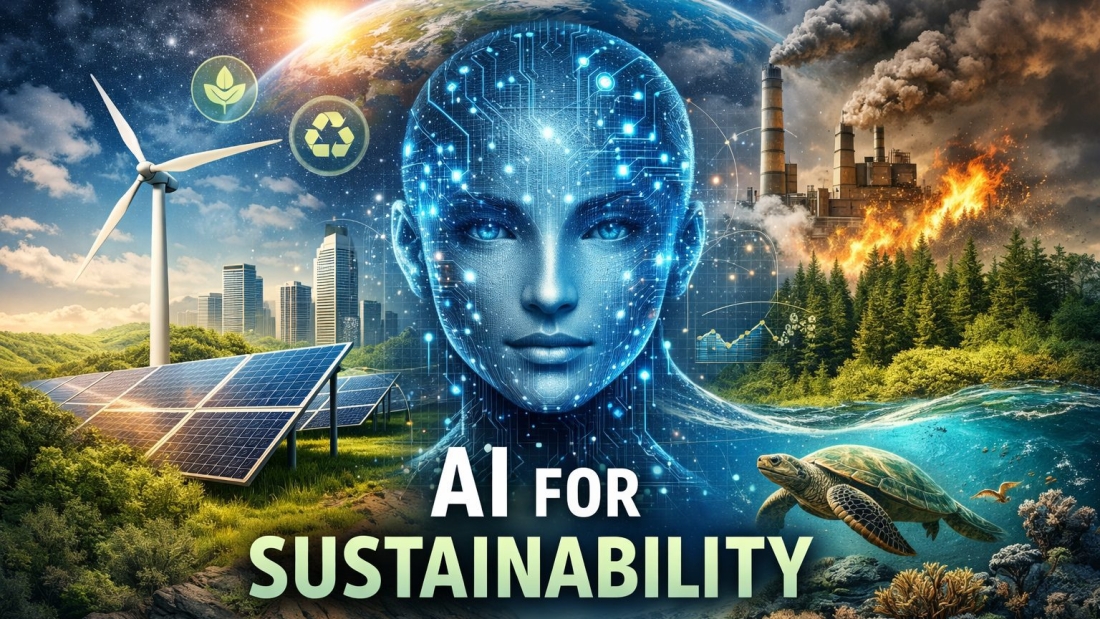
Introduction to AI for Sustainability
Let’s be honest—climate change, energy shortages, and environmental damage can feel overwhelming. It’s like trying to fix a leaking dam with a roll of tape. But what if we had a smarter assistant, one that could analyze massive amounts of data, spot patterns humans might miss, and help us make better decisions faster? That’s where AI for sustainability comes in.
Artificial Intelligence isn’t just about chatbots or self-driving cars anymore. It’s becoming a powerful ally in the fight against climate change and environmental degradation.
What Sustainability Really Means in the AI Era
Sustainability is about meeting today’s needs without stealing from tomorrow. In the AI era, it means using intelligent systems to balance economic growth, environmental protection, and social well-being—all at once.
Why Technology Alone Is Not Enough
AI isn’t a magic wand. Think of it like a compass—it shows direction, but humans still have to walk the path. When combined with smart policies and responsible behavior, AI becomes a real game-changer.
The Growing Climate and Environmental Crisis
Climate Change at a Glance
Rising temperatures, melting glaciers, extreme weather—these aren’t future predictions anymore. They’re happening now. The challenge? Climate systems are incredibly complex, and traditional methods struggle to keep up.
Energy Scarcity and Environmental Degradation
As populations grow, so does energy demand. Fossil fuels still dominate, leading to pollution, deforestation, and biodiversity loss.
The Role of Data in Understanding the Crisis
Here’s the catch: we already have tons of data. Satellites, sensors, weather stations—you name it. AI helps turn this data chaos into clear, actionable insights.
What Is Artificial Intelligence?
A Simple Explanation of AI
AI is basically teaching machines to think—well, sort of. It allows computers to learn from data, recognize patterns, and make decisions with minimal human input.
Key AI Technologies Powering Sustainability
- Machine Learning
- Deep Learning
- Computer Vision
- Natural Language Processing
Machine Learning, Deep Learning, and Predictive Analytics
These technologies help predict weather patterns, optimize energy usage, and even detect illegal deforestation—sometimes in real time.
How AI Supports Climate Change Mitigation
AI in Climate Modeling and Prediction
Climate models used to take weeks. AI-powered models can process scenarios faster and more accurately, helping scientists predict floods, heatwaves, and storms.
Reducing Greenhouse Gas Emissions with AI
AI optimizes industrial processes, transportation routes, and energy consumption—cutting emissions without sacrificing productivity.
Carbon Tracking and Monitoring Systems
AI-powered platforms can now track carbon footprints across entire supply chains. Transparency is the first step toward accountability.
AI for Renewable Energy Optimization
Smart Solar and Wind Energy Forecasting
Renewable energy depends on weather, which is unpredictable. AI improves forecasting, making clean energy more reliable.
AI-Driven Energy Storage Solutions
AI helps decide when to store energy and when to release it—like a smart battery manager.
Grid Balancing and Demand Forecasting
Smart grids use AI to balance supply and demand, reducing energy waste and blackouts.
AI in Energy Efficiency and Smart Cities
Smart Buildings and Energy Management
AI-powered buildings adjust lighting, heating, and cooling automatically—saving energy without compromising comfort.
AI-Powered Urban Planning
From reducing traffic congestion to optimizing public transport, AI helps cities breathe a little easier.
Traffic, Lighting, and Waste Optimization
Ever seen streetlights turn on only when someone walks by? That’s AI quietly saving energy.
AI in Environmental Protection
Wildlife Conservation and Biodiversity
AI analyzes camera traps and drones to track endangered species and stop poaching.
Deforestation and Land Monitoring
Satellite images + AI = real-time deforestation alerts. Forests finally get a digital guardian.
Ocean Health and Marine Life Protection
AI monitors ocean temperatures, coral reefs, and illegal fishing—protecting life beneath the waves.
AI for Sustainable Agriculture
Precision Farming with AI
AI helps farmers decide when to plant, water, and harvest—using fewer resources and boosting yields.
Water Management and Soil Health
Smart irrigation systems reduce water waste while keeping crops healthy.
Reducing Food Waste Using AI
From supply chains to supermarkets, AI predicts demand and cuts food waste dramatically.
AI and Circular Economy
Waste Sorting and Recycling Automation
AI-powered robots can sort waste faster and more accurately than humans.
Designing Sustainable Products
AI helps design products that are easier to recycle and last longer.
AI in Supply Chain Optimization
Less waste, fewer emissions, smoother logistics—it’s efficiency at its best.
AI for Disaster Prediction and Management
Early Warning Systems
AI detects earthquakes, floods, and wildfires earlier—saving lives.
Disaster Response and Recovery
AI helps coordinate rescue efforts and allocate resources efficiently.
Climate Resilience Planning
Governments use AI to plan infrastructure that can survive future climate risks.
Ethical and Environmental Challenges of AI
Energy Consumption of AI Models
Big AI models consume a lot of power. Green AI focuses on efficiency and renewable energy usage.
Data Bias and Environmental Justice
If data is biased, AI decisions can be unfair. Responsible data practices are essential.
Responsible and Green AI Practices
Sustainable AI means transparent, efficient, and ethical systems.
Real-World Examples of AI for Sustainability
AI Projects Tackling Climate Change
From Google’s AI reducing data center energy use to AI-driven climate platforms, real impact is already visible.
Corporate and Government Initiatives
Governments and companies worldwide are investing in AI-driven sustainability programs.
Startups Driving Sustainable Innovation
Small startups are often the biggest innovators, using AI to solve niche environmental problems.
The Future of AI for Sustainability
Emerging Trends and Innovations
Expect more AI-powered climate tools, smarter energy systems, and greener technologies.
Collaboration Between Humans and AI
AI won’t replace humans—it will empower them to make smarter decisions.
Policy, Regulation, and Global Impact
Strong policies will ensure AI benefits the planet, not harms it.
Conclusion
AI for sustainability isn’t science fiction—it’s happening right now. Like a skilled co-pilot, AI helps humanity navigate the complex challenges of climate change, energy efficiency, and environmental protection. When used responsibly, AI can turn data into hope and innovation into action. The future isn’t just intelligent—it’s sustainable.