

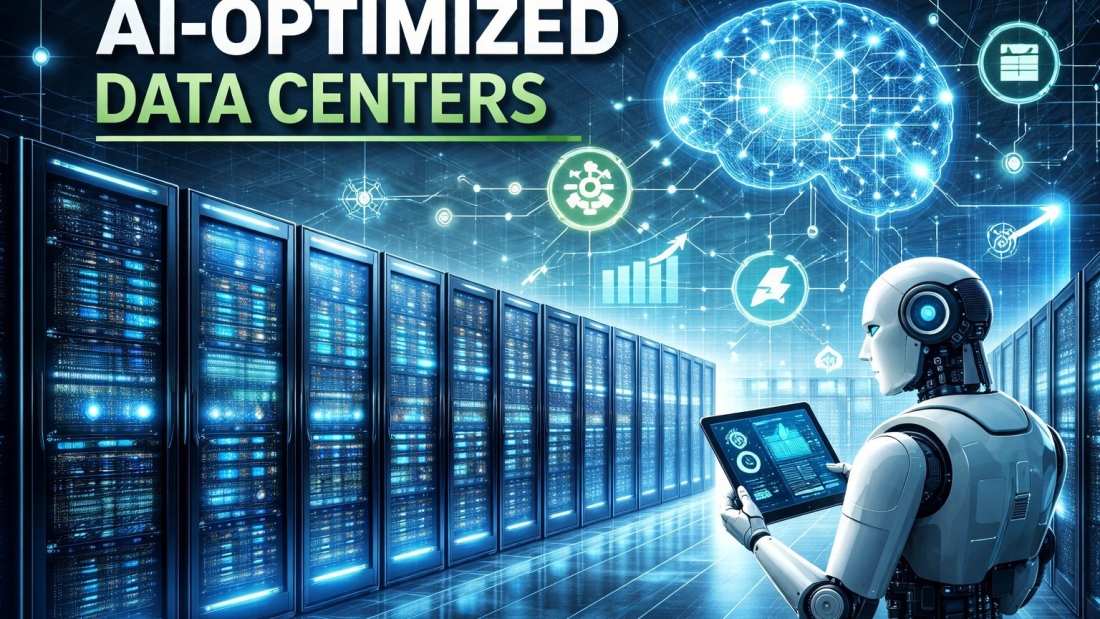
Introduction to AI-Optimized Data Centers
Data centers are like the beating heart of the internet. Every click, stream, and cloud backup flows through them. But here’s the problem—traditional data centers were never designed for today’s AI-heavy, always-on digital world. They’re under pressure like never before.
That’s why AI-optimized data centers are rising fast. They’re smarter, greener, and far more efficient than their traditional counterparts.
Why Data Centers Are the Backbone of the Digital World
From social media and e-commerce to AI tools and streaming platforms, everything depends on data centers. If they slow down, the digital world feels it instantly.
The Growing Pressure on Traditional Data Centers
Traditional data centers struggle with rising energy costs, complex workloads, and sustainability demands. It’s like asking an old engine to power a modern electric car—it just wasn’t built for that.
Understanding Traditional Data Centers
How Traditional Data Centers Work
Traditional data centers rely heavily on fixed infrastructure and manual configuration. Servers, cooling systems, and also power supplies are managed based on predefined rules.
Key Components of Legacy Data Centers
- Physical servers
- Network switches
- Cooling systems
- Backup power units
Cooling, Power, and Manual Management
Most decisions—like cooling levels or workload distribution—are handled manually or through basic automation. This often leads to wasted energy and higher costs.
What Are AI-Optimized Data Centers?
Simple Definition
AI-optimized data centers use artificial intelligence to monitor, manage, and also optimize operations in real time. Think of them as self-learning facilities that constantly improve performance.
Core Technologies Behind AI Optimization
- Machine Learning
- Predictive Analytics
- Computer Vision
- Real-Time Monitoring
Machine Learning and Real-Time Analytics
These systems learn from historical and live data to make smarter decisions—without human intervention.
Why AI-Optimized Data Centers Are Rising
Explosion of AI and Big Data Workloads
AI models, big data analytics, and cloud services require massive computing power. Traditional setups simply can’t keep up.
Energy Efficiency and Cost Pressures
Electricity bills are one of the biggest data center expenses. AI helps reduce waste while optimizing power usage.
Sustainability and Carbon Reduction Goals
With stricter environmental regulations, companies are turning to AI to cut emissions and then meet sustainability targets.
Key Differences Between AI-Optimized and Traditional Data Centers
Infrastructure Design
AI-optimized data centers are built for flexibility, using modular and scalable designs.
Energy and Cooling Systems
AI dynamically adjusts cooling and power based on real-time demand—traditional systems don’t.
Automation vs Manual Operations
AI-optimized centers rely on automation, while traditional ones depend on human oversight.
AI-Driven Cooling and Power Management
Smart Cooling Systems
AI predicts heat patterns and adjusts cooling before temperatures spike—like a thermostat that thinks ahead.
Predictive Power Optimization
Power usage is continuously optimized to avoid overloads and also energy waste.
Reducing Energy Waste
This approach can cut energy consumption by up to 30–40%.
Performance and Scalability Advantages
Handling High-Performance AI Workloads
AI-optimized data centers are designed to support GPUs, TPUs, and also AI accelerators.
Dynamic Resource Allocation
Resources are assigned where needed, when needed—no guesswork.
Faster Scaling Without Downtime
Scaling up doesn’t require major downtime, making operations smoother.
AI for Data Center Monitoring and Maintenance
Predictive Maintenance
AI detects equipment issues before failures happen—saving time and money.
Anomaly Detection
Unusual behavior is flagged instantly, preventing major outages.
Preventing Costly Downtime
Less downtime means happier users and higher revenue.
Sustainability Benefits of AI-Optimized Data Centers
Lower Carbon Footprint
Optimized energy use directly reduces emissions.
Renewable Energy Integration
AI balances workloads based on renewable energy availability.
Water and Resource Conservation
Smart cooling systems significantly reduce water consumption.
Security Improvements with AI
AI-Based Threat Detection
AI spots cyber threats faster than traditional security tools.
Automated Incident Response
Threats are neutralized automatically while minimizing damage.
Protecting Critical Infrastructure
This is crucial for industries like finance, healthcare, and also government.
Real-World Examples of AI-Optimized Data Centers
Tech Giants Leading the Way
Companies for example Google and Microsoft already use AI to optimize their data centers.
Hyperscale and Edge Data Centers
AI makes both massive and small-scale data centers more efficient.
Lessons From Early Adopters
Early adopters report lower costs, better uptime, and also improved sustainability.
Challenges of AI-Optimized Data Centers
High Initial Investment
AI infrastructure isn’t cheap upfront—but it pays off long-term.
Skill Gaps and Complexity
Skilled professionals are needed to manage AI systems.
Data Privacy and Ethics
Responsible AI use is essential to avoid misuse.
The Future of Data Centers
Autonomous Data Centers
The future points toward fully self-managing facilities.
AI + Green Energy Synergy
AI will play a key role in carbon-neutral data centers.
What Businesses Should Prepare For
Companies must rethink infrastructure strategies to stay competitive.
Conclusion
AI-optimized data centers represent a major leap forward from traditional designs. They’re smarter, more efficient, and also far better suited for today’s digital and AI-driven world. As demand for computing power grows, these intelligent facilities won’t just be an option; in fact, they’ll be the standard.