

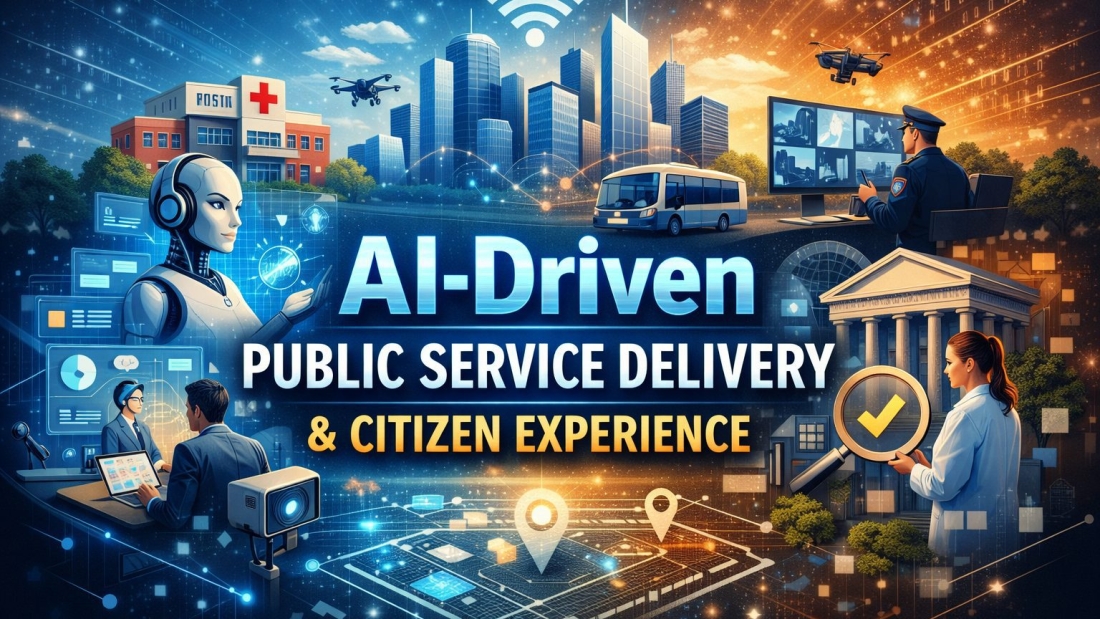
Introduction to AI in Public Services
Public services are the backbone of any society. From healthcare and education to transportation and social welfare, citizens rely on governments to deliver these services efficiently. But let’s be honest—traditional public service systems are often slow, paper-heavy, and frustrating. This is where artificial intelligence steps in like a breath of fresh air.
What Is AI-Driven Public Service Delivery?
AI-driven public service delivery means using artificial intelligence technologies—like machine learning, natural language processing, and predictive analytics—to improve how government services are designed, delivered, and managed. Instead of manual processes and one-size-fits-all solutions, AI enables smarter, faster, and more personalized services.
Why Governments Are Turning to AI
Governments worldwide are facing increasing pressure. Growing populations, limited budgets, and rising citizen expectations demand better solutions. AI helps governments do more with less. Think of it as a smart assistant that never sleeps, never gets tired, and keeps learning from data.
The Evolution of Public Service Delivery
Traditional Public Services vs Digital Government
In the past, public services depended heavily on paperwork, physical offices, and long waiting lines. Need a license renewed? Take a day off work. Want to file a complaint? Fill out endless forms. Digital government initiatives changed some of this, but AI takes it several steps further.
The Rise of Smart Governance
Smart governance uses technology and data to make better decisions. AI helps governments anticipate problems instead of reacting to them. It’s like switching from a rear-view mirror to a GPS that predicts traffic ahead.
Role of Artificial Intelligence in Government Operations
Automation in Administrative Processes
AI automates repetitive tasks such as data entry, document verification, and application processing. This reduces human error and frees government employees to focus on complex and meaningful work.
Predictive Analytics for Better Decision-Making
AI analyzes historical and real-time data to predict future trends. Whether it’s forecasting unemployment rates or predicting disease outbreaks, predictive analytics empowers policymakers with actionable insights.
Data-Driven Policy Formulation
Policies based on gut feelings are risky. AI-driven insights ensure policies are grounded in real data, making them more effective and impactful.
Enhancing Citizen Experience Through AI
Personalized Citizen Services
Citizens expect the same level of personalization from governments that they get from private companies. AI enables tailored recommendations, reminders, and services based on individual needs.
Faster Response Times and 24/7 Availability
Nobody likes waiting. AI-powered systems respond instantly, whether it’s checking application status or answering common questions.
Chatbots and Virtual Assistants
Chatbots act as digital front desks. They guide citizens, answer questions, and resolve issues at any hour. It’s like having a helpful government representative in your pocket.
AI in Healthcare Public Services
Smart Health Systems
AI improves hospital management, patient scheduling, and medical record analysis. This leads to reduced waiting times and better patient care.
Predictive Healthcare and Early Diagnosis
By analyzing medical data, AI can identify health risks early. Early detection saves lives and reduces healthcare costs—a win-win situation.
AI-Driven Education Services
Personalized Learning Platforms
AI adapts learning materials to individual student needs. Students learn at their own pace, improving outcomes and engagement.
Improving Access to Education
AI-powered tools bridge gaps for remote and underserved communities, ensuring inclusive and equitable education.
Smart Cities and AI Integration
Traffic Management and Urban Planning
AI analyzes traffic patterns to reduce congestion and optimize public transport. Cities become more livable and less stressful.
Public Safety and Surveillance
AI helps detect unusual activities and respond to emergencies faster, enhancing public safety while optimizing resource use.
AI in Social Welfare and Benefits Distribution
Fraud Detection and Prevention
AI identifies unusual patterns that may indicate fraud. This ensures benefits reach the right people without misuse.
Efficient Resource Allocation
Governments can allocate resources where they’re needed most, maximizing social impact.
Improving Transparency and Trust in Government
Reducing Human Bias
AI systems, when designed responsibly, reduce subjective decision-making and ensure fairness.
Open Data and Accountability
AI-powered dashboards make government data accessible and understandable, fostering transparency and trust.
Challenges of AI in Public Service Delivery
Data Privacy and Security Concerns
Handling sensitive citizen data requires strong security measures. Privacy must never be compromised.
Ethical and Bias Issues
AI can inherit biases from data. Ethical frameworks are essential to ensure fair outcomes.
Digital Divide and Accessibility
Not everyone has access to digital tools. Governments must ensure AI benefits everyone, not just the tech-savvy.
AI Governance and Policy Frameworks
Regulations for Responsible AI
Clear laws and guidelines ensure AI is used ethically and responsibly.
Human-in-the-Loop Approach
AI should support, not replace, human judgment. Human oversight keeps systems accountable.
Real-World Examples of AI in Public Services
AI Use Cases from Around the World
From AI-powered tax systems to smart policing and digital identity platforms, countries worldwide are already reaping the benefits of AI in governance.
The Future of AI-Driven Public Services
Emerging Trends and Innovations
Expect more conversational AI, real-time analytics, and predictive public services in the coming years.
Long-Term Impact on Citizen Experience
AI will redefine how citizens interact with governments—making services proactive, seamless, and citizen-centric.
Conclusion
AI-driven public service delivery is no longer a futuristic idea—it’s happening now. By improving efficiency, transparency, and personalization, AI enhances citizen experience and builds trust in government. While challenges exist, thoughtful implementation and ethical governance can unlock AI’s full potential. The future of public services is smart, responsive, and powered by AI.