

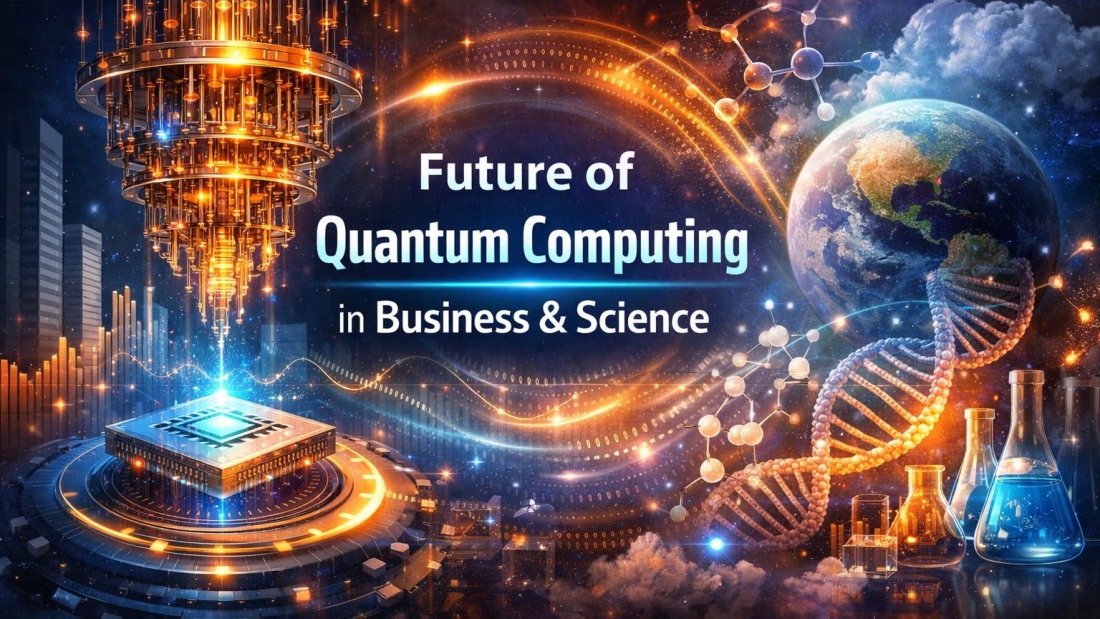
Introduction to Quantum Computing
Quantum computing sounds like something straight out of a sci-fi movie, right? But here’s the thing—it’s real, it’s happening now, and it’s set to completely change how businesses operate and how science solves the world’s toughest problems.
Unlike traditional computers that think in straight lines, quantum computers think in probabilities. Imagine solving a maze not by trying one path at a time, but by exploring all paths at once. That’s the power we’re talking about.
What Is Quantum Computing?
Quantum computing is a new computing paradigm that uses the principles of quantum mechanics—like superposition and entanglement—to process information. Instead of bits (0s and 1s), it uses qubits, which can exist in multiple states at the same time.
In simple words? Quantum computers don’t just calculate faster—they calculate smarter.
How Quantum Computing Differs from Classical Computing
Classical computers are like calculators following step-by-step instructions. Quantum computers are more like intuition-driven problem solvers. They evaluate countless possibilities simultaneously, making them ideal for complex problems involving massive data and variables.
The Evolution of Quantum Computing
Early Research and Breakthroughs
Quantum computing isn’t new. The theory dates back to the 1980s. But only recently has technology caught up with the math. Companies like IBM, Google, and Microsoft have made huge breakthroughs, pushing quantum computers out of labs and into real-world testing.
Current State of Quantum Technology
Right now, we’re in the “early adopter” phase. Quantum computers exist, but they’re still fragile, expensive, and complex to operate. Think of them as the first airplanes—promising, but not yet ready for mass travel.
Quantum Hardware vs Quantum Software
Hardware focuses on building stable qubits, while software focuses on algorithms that can actually use quantum power. Both are evolving side by side, and progress in one accelerates the other.
Why Quantum Computing Matters
Speed Beyond Imagination
Quantum computers can solve problems in seconds that would take classical computers thousands of years. That’s not an exaggeration—it’s a paradigm shift.
Solving Problems Classical Computers Cannot
From simulating molecules to optimizing global logistics, quantum computing opens doors that were previously locked.
Future of Quantum Computing in Business
Quantum Computing in Finance
Finance is all about predictions, probabilities, and risk—and that’s exactly where quantum computing shines.
Risk Analysis and Portfolio Optimization
Quantum algorithms can analyze millions of market scenarios at once, helping banks and investors minimize risk and maximize returns.
Quantum Computing in Supply Chain Management
Logistics and Route Optimization
Imagine optimizing global shipping routes in real time, accounting for weather, fuel costs, and demand. Quantum computing can make that possible.
Quantum Computing in Healthcare and Pharma
Drug Discovery and Personalized Medicine
Quantum computers can simulate molecular interactions with extreme accuracy, speeding up drug discovery and enabling treatments tailored to individual patients.
Marketing and Customer Analytics
Quantum computing can analyze customer behavior patterns on a whole new level, enabling hyper-personalized marketing strategies that actually feel human.
Future of Quantum Computing in Science
Quantum Computing in Physics
Quantum computers help scientists simulate quantum systems—something classical computers struggle with. It’s like finally having a mirror that reflects reality accurately.
Quantum Computing in Chemistry
From designing new materials to understanding chemical reactions, quantum computing accelerates discovery.
Quantum Computing in Climate and Environmental Science
Climate Modeling and Sustainability
More accurate climate models mean better predictions, smarter policies, and more effective sustainability strategies.
Quantum Computing and Artificial Intelligence
Machine Learning
Quantum AI could train models faster, find patterns humans can’t see, and revolutionize decision-making.
Faster Data Processing and Pattern Recognition
When AI meets quantum speed, data becomes insight almost instantly.
Challenges Facing Quantum Computing
Technical Limitations
Qubits are sensitive. A tiny disturbance can ruin calculations. Error correction remains a major hurdle.
Cost and Infrastructure Issues
Quantum computers require extreme conditions, like near-absolute-zero temperatures. That doesn’t come cheap.
Lack of Skilled Professionals
The Talent Gap in Quantum Science
There’s a shortage of people who understand both quantum physics and real-world applications.
Security Implications of Quantum Computing
Quantum Threats to Cybersecurity
Quantum computers could break current encryption methods, putting global data at risk.
Post-Quantum Cryptography
New encryption techniques are being developed to stay ahead of quantum threats.
How Businesses Can Prepare for the Quantum Future
Investing in Quantum Research
Early investment means long-term advantage.
Building Quantum-Ready Strategies
Businesses don’t need quantum computers today—but they do need a plan.
Upskilling Teams for the Quantum Era
Training employees now ensures readiness later.
Timeline: When Will Quantum Computing Go Mainstream?
Most experts predict meaningful business adoption within the next 10–15 years. Some industries may benefit even sooner.
Ethical and Regulatory Considerations
Responsible Use of Quantum Technology
With great power comes great responsibility.
Global Regulations and Policies
Governments are already working on frameworks to manage quantum risks.
The Long-Term Vision of Quantum Computing
Quantum as a Service (QaaS)
Cloud-based quantum computing will make access easier for businesses.
Collaboration Between Business and Science
The future belongs to those who collaborate, not compete.
Conclusion
The future of quantum computing in business and science is not a question of if, but when. While challenges remain, the potential benefits are too powerful to ignore. From smarter businesses to breakthrough scientific discoveries, quantum computing is set to redefine what’s possible. The organizations that prepare today will lead tomorrow.