

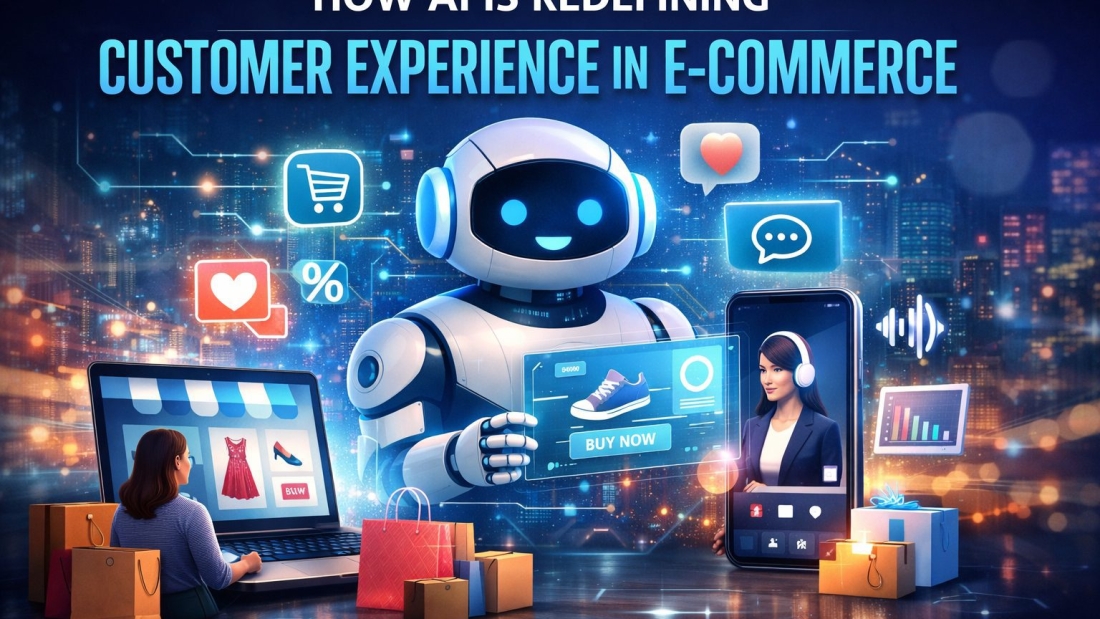
Introduction to AI in E-Commerce
Online shopping isn’t what it used to be. Gone are the days when customers were happy just clicking “Buy Now.” Today, they want experiences that feel personal, fast, and effortless. This is where artificial intelligence steps in like a smart store assistant who knows exactly what you want—even before you ask.
What Is Artificial Intelligence?
Artificial intelligence, or AI, refers to machines that can think, learn, and make decisions like humans. In e-commerce, AI analyzes massive amounts of data to understand customer behavior, preferences, and patterns.
Why Customer Experience Matters More Than Ever
Let’s be honest—customers have options. Tons of them. If your online store doesn’t deliver a smooth and personalized experience, they’ll leave in seconds. Customer experience (CX) is now the biggest competitive advantage, and AI is the engine driving it.
The Evolution of Customer Experience in Online Shopping
From Traditional E-Commerce to AI-Driven Experiences
Traditional e-commerce focused on listings and discounts. AI-driven e-commerce focuses on people. Instead of guessing what customers want, AI knows—based on data, behavior, and intent.
Key Shifts in Consumer Expectations
Customers now expect:
- Personalized recommendations
- Instant support
- Seamless shopping across devices
- Relevant offers at the right time
AI makes all of this possible without burning out your team.
Role of AI in Modern E-Commerce
Data-Driven Decision Making
AI turns raw data into insights. It helps businesses understand what customers like, when they buy, and why they leave. Decisions become smarter, faster, and more accurate.
Automation and Intelligence Combined
Automation saves time. Intelligence adds value. AI combines both—automating tasks while continuously learning and improving outcomes.
Top AI Trends Redefining Customer Experience in 2026
Hyper-Personalization at Scale
In 2026, personalization won’t be optional. AI will customize homepages, emails, ads, and product recommendations for each individual user—at scale.
AI-Powered Chatbots and Virtual Assistants
Chatbots are no longer robotic. They understand context, emotions, and intent. Think of them as digital sales reps working 24/7.
Voice Commerce and Conversational AI
“Hey, order my favorite sneakers.” Voice-enabled shopping is growing fast, and AI is making it more accurate and conversational.
Visual Search and Image Recognition
Customers can upload an image and find similar products instantly. AI-powered visual search shortens the path from inspiration to purchase.
Predictive Analytics and Customer Behavior Forecasting
AI predicts what customers will buy next, when they’ll return, and even when they might churn—so businesses can act before it’s too late.
AI Tools Transforming E-Commerce Customer Experience
Recommendation Engines
Netflix-style recommendations aren’t just for movies anymore. AI suggests products based on browsing history, preferences, and past purchases.
AI Chatbots and Live Support Tools
From order tracking to product advice, AI chatbots handle repetitive queries while human agents focus on complex issues.
Customer Data Platforms (CDPs)
AI-powered CDPs unify customer data across channels, creating a single, accurate customer profile.
AI-Powered CRM Systems
Modern CRMs use AI to predict customer needs, automate follow-ups, and improve relationships.
Personalization: The Heart of AI-Driven CX
Real-Time Personalization
AI adapts content and offers in real time. Every click, scroll, and pause tells a story—and AI listens.
Personalized Product Recommendations
Customers see what they actually want, not random products. This boosts conversions and satisfaction.
Dynamic Pricing and Offers
AI adjusts pricing and discounts based on demand, behavior, and market trends—fair and profitable.
AI in Customer Support and Engagement
24/7 Support with AI Chatbots
No waiting. No frustration. AI ensures customers get instant help anytime, anywhere.
Sentiment Analysis for Better Engagement
AI analyzes tone and emotion in messages to respond more empathetically and effectively.
AI-Powered Marketing Strategies for E-Commerce
Personalized Email Marketing
AI crafts emails based on customer behavior, increasing open rates and conversions.
AI in Social Commerce
From product tagging to automated replies, AI makes social shopping smoother and more engaging.
Smarter Ad Targeting with Machine Learning
AI finds the right audience, at the right time, with the right message—maximizing ad ROI.
AI and Omnichannel Customer Experience
Seamless Shopping Across Platforms
AI ensures customers enjoy a consistent experience across websites, apps, social media, and marketplaces.
Consistent Brand Experience Using AI
Whether online or mobile, AI maintains brand tone, messaging, and personalization.
Ethical AI and Customer Trust
Data Privacy and Security
Customers care about their data. Ethical AI practices build trust and long-term loyalty.
Transparency in AI Usage
Being honest about how AI is used creates confidence and credibility.
Challenges of Implementing AI in E-Commerce
Cost and Technical Complexity
AI requires investment, expertise, and planning—but the payoff is worth it.
Data Quality and Integration Issues
AI is only as good as the data it receives. Clean, integrated data is essential.
Strategies to Successfully Implement AI in 2026
Choosing the Right AI Tools
Focus on tools that align with your goals—not just trends.
Training Teams for AI Adoption
Human + AI is the winning formula. Train teams to work alongside intelligent systems.
Measuring AI Performance and ROI
Track KPIs, customer satisfaction, and revenue impact to measure success.
Future of AI-Driven Customer Experience
What to Expect Beyond 2026
AI will become more human, more predictive, and more immersive.
AI as a Competitive Advantage
Businesses that embrace AI early will lead the market. Those who don’t will struggle to keep up.
Conclusion
AI is no longer the future—it’s the present. In 2026, e-commerce brands that prioritize AI-driven customer experience will win hearts, loyalty, and revenue. From personalization to predictive insights, AI transforms online shopping into a journey customers actually enjoy. The question isn’t whether to adopt AI—it’s how fast you can do it.