
Hyper-Personalized Shopping Experiences Using Generative AI

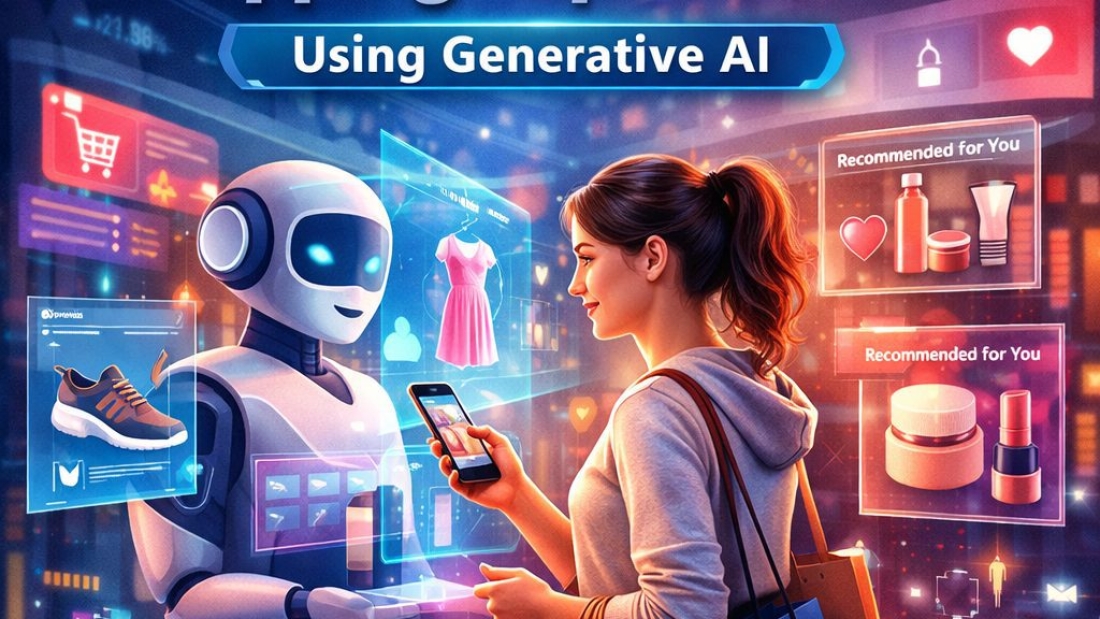
Hyper-Personalized Shopping Experiences Using Generative AI

Introduction to Hyper-Personalized Shopping

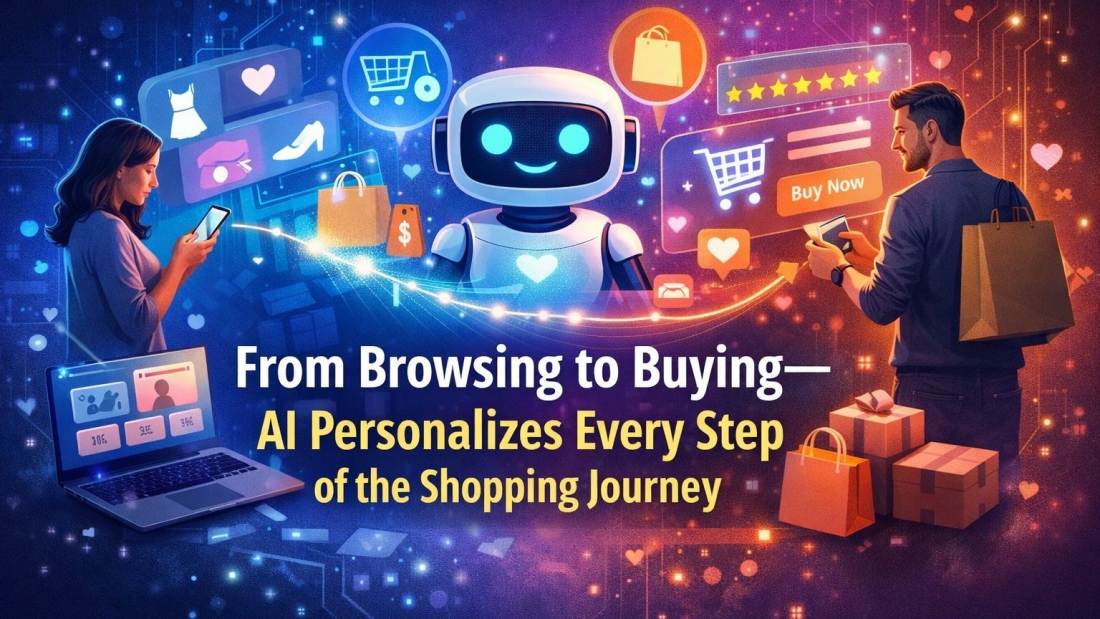
Online shopping has come a long way. Remember when seeing your name in an email felt special? Those days are long gone. Today, customers expect brands to know them, understand them, and almost read their minds. That’s where hyper-personalized shopping experiences using generative AI come in.

This isn’t just about recommending similar products anymore. It’s about creating a shopping journey that feels tailor-made for every single customer, every single time.

What Does Hyper-Personalization Mean?

Hyper-personalization goes beyond basic personalization. Instead of using just age, gender, or past purchases, it combines real-time behavior, preferences, location, intent, and even mood. Think of it as a digital personal shopper who evolves with you.

Why Traditional Personalization Is No Longer Enough

Traditional personalization is static. It shows the same recommendation to thousands of users. Hyper-personalization is dynamic. It adapts instantly. In a world where attention spans are shrinking, relevance is everything.


Understanding Generative AI in E-Commerce

What Is Generative AI?

Generative AI refers to AI systems that can create new content—text, images, videos, product descriptions, and even shopping experiences. Instead of just analyzing data, it creates based on it.

Generative AI vs Traditional AI Models

Traditional AI predicts outcomes. Generative AI imagines possibilities. One follows rules; the other writes new ones. That’s why generative AI is a game-changer for e-commerce.

Key Generative AI Technologies Powering Retail

Large language models, recommendation engines, computer vision, and real-time analytics all work together to build intelligent shopping journeys.


How Hyper-Personalized Shopping Works

Data Collection and Customer Signals

Every click, scroll, pause, and purchase tells a story. Generative AI listens carefully. It captures behavioral data, preferences, browsing history, and contextual signals.

Real-Time Decision Making

The magic happens in milliseconds. As a customer browses, AI adapts recommendations, messaging, and visuals instantly.

Behavioral, Contextual, and Emotional Triggers

Shopping isn’t just logical—it’s emotional. Generative AI considers time of day, weather, mood indicators, and even urgency to personalize experiences deeply.


Role of Generative AI in Personalization

AI-Generated Product Recommendations

Forget “Customers also bought.” Now it’s “Perfect for your weekend plans.” AI understands intent, not just similarity.

Dynamic Content and Messaging

Homepages, banners, emails, and push notifications change based on who’s viewing them. Every customer sees a different store.

Personalized Images, Videos, and Copy

Generative AI can create product images featuring styles, colors, or models that match a customer’s preferences. It’s like having a custom catalog.


Hyper-Personalized Customer Journeys

Personalized Discovery Phase

From search results to category pages, everything adapts. AI guides customers like a helpful friend, not a pushy salesperson.

Personalized Purchase Experience

Checkout pages adjust offers, payment options, and delivery preferences based on user behavior and history.

Post-Purchase Engagement and Retention

The journey doesn’t end at checkout. AI personalizes follow-ups, reordering suggestions, and loyalty rewards.


Examples of Hyper-Personalized Shopping

Fashion and Apparel Industry

AI suggests outfits, sizes, and styles based on body type, trends, and personal taste.

Beauty and Skincare Brands

Virtual try-ons, AI skin analysis, and customized routines make shopping feel like a personal consultation.

Grocery and Everyday Retail

Smart carts and personalized weekly lists save time and reduce decision fatigue.


Benefits of Hyper-Personalized Shopping Using Generative AI

Improved Customer Experience

Customers feel understood. And when people feel understood, they stick around.

Higher Conversion Rates

Relevant experiences reduce friction and increase the likelihood of purchase.

Increased Customer Loyalty

Personalized experiences build emotional connections, not just transactions.


Business Impact of Generative AI Personalization

Revenue Growth

More relevance means more sales. Simple as that.

Reduced Customer Churn

Customers leave when experiences feel generic. AI makes them feel valued.

Smarter Inventory and Demand Forecasting

AI predicts what customers want before they even search for it.


Ethical and Privacy Considerations

Trust matters. Customers should know how their data is used.

Avoiding the “Creepy” Factor

Personalization should feel helpful, not invasive.

Transparent AI Practices

Clear communication builds long-term trust.


Challenges in Implementing Hyper-Personalization

Data Quality and Integration

Bad data leads to bad experiences.

Cost and Technical Complexity

AI requires investment, but the ROI speaks for itself.

Talent and Skill Gaps

Businesses need skilled teams to manage AI systems effectively.


Future of Hyper-Personalized Shopping

AI Shopping Assistants

Conversational AI will become the new storefront assistant.

Voice, AR, and Metaverse Commerce

Shopping will move beyond screens into immersive experiences.

Predictive and Emotional AI

AI won’t just react—it will anticipate needs.


How Businesses Can Get Started

Choosing the Right AI Tools

Start small, scale smart.

Building a Customer-Centric Strategy

Technology should serve people, not the other way around.

Testing, Learning, and Scaling

Optimization is an ongoing journey.


Conclusion

Hyper-personalized shopping experiences using generative AI are no longer optional—they’re the future of retail. Brands that embrace this shift will build deeper relationships, stronger loyalty, and sustainable growth. In a crowded digital marketplace, personalization isn’t a feature. It’s the foundation.

AI-Powered Code Assistance Exploring How AI Can Streamline Coding Workflows and Development

AI-Powered Code Assistance: Exploring How AI Can Streamline Coding Workflows and Development

Introduction to AI-Powered Code Assistance

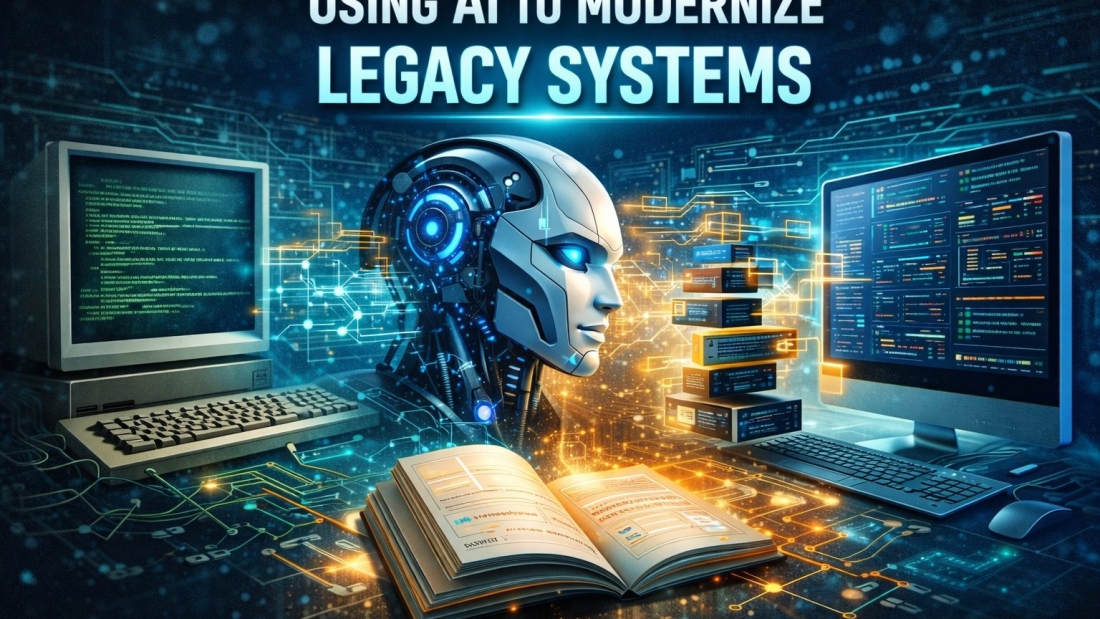
Coding in 2026 is no longer just about typing lines of code—it’s about collaborating with AI. Developers today work alongside intelligent tools that help them write, test, and improve code faster than ever before.

The Rise of AI in Software Development

As software systems became more complex, developers needed smarter solutions. AI-powered code assistants stepped in to reduce workload and boost productivity.

Why Developers Needed Smarter Tools

Let’s face it—coding can be repetitive and mentally exhausting. AI tools remove friction, allowing developers to focus on creativity and logic instead of boilerplate code.


Evolution of Coding Tools

From Manual Coding to Intelligent Assistance

Early IDEs offered syntax highlighting. Today’s AI tools understand intent, context, and even future code needs.

Limitations of Traditional Development Workflows

  • Time-consuming debugging
  • Manual code reviews
  • Inconsistent coding standards
    AI solves these pain points efficiently.

What Is AI-Powered Code Assistance

Understanding AI Coding Assistants

AI coding assistants analyze your code in real time, offering suggestions, fixes, and optimizations as you type.

Core Technologies Behind AI Code Tools

  • Machine Learning
  • Natural Language Processing
  • Large Language Models
  • Pattern Recognition

These technologies allow AI to “think” like a developer.


How AI Streamlines Coding Workflows

Faster Code Writing

AI generates code snippets instantly, saving hours of manual work.

Reducing Repetitive Tasks

Writing loops, APIs, or documentation? AI handles it like autopilot on a long drive.


AI for Code Completion and Suggestions

Intelligent Autocomplete

AI predicts entire blocks of code—not just single lines.

Context-Aware Code Recommendations

It understands your project structure, libraries, and coding style.


Bug Detection and Error Prevention

Real-Time Error Detection

AI flags bugs as you write, before they break your application.

Predictive Debugging with AI

It even suggests fixes based on similar issues from massive codebases.


AI in Code Review and Refactoring

Automated Code Reviews

AI reviews pull requests instantly, highlighting issues and improvements.

Cleaner and More Maintainable Code

Refactoring becomes smoother with AI suggestions that improve readability and performance.


Improving Developer Productivity

Saving Time and Mental Effort

Less Googling. Less trial-and-error. More actual building.

Focus on Problem-Solving Instead of Syntax

AI handles syntax; developers handle strategy.


AI-Powered Testing and Quality Assurance

Automated Test Case Generation

AI creates test cases based on code behavior automatically.

Continuous Code Quality Monitoring

Quality checks run constantly, reducing production bugs.


AI Assistance for Learning and Skill Growth

AI as a Coding Mentor

Beginners learn faster with explanations and examples.

Faster Onboarding for Junior Developers

New team members become productive in days, not weeks.


Collaboration and Team Development

Consistent Coding Standards

AI enforces style guides across teams.

Better Collaboration Across Teams

Everyone writes cleaner, more understandable code.


AI in Low-Code and No-Code Development

Bridging the Gap Between Developers and Non-Developers

AI allows non-technical users to build applications using natural language.

Faster Application Prototyping

Ideas turn into working prototypes in record time.


Challenges and Limitations of AI Code Assistants

Code Accuracy and Reliability

AI isn’t perfect—it still needs human review.

Security and Privacy Concerns

Sensitive code must be handled responsibly.


The Future of AI-Powered Coding

Human-AI Collaboration in Development

The future isn’t AI vs humans—it’s AI with humans.

Smarter, Context-Aware Development Environments

IDE’s will soon predict entire project needs.


Conclusion

AI-powered code assistance has transformed how developers work. It accelerates workflows, improves code quality, and makes development more enjoyable. In the future, the best developers won’t be those who code the fastest—but those who collaborate best with AI.

How AI Is Transforming Recruitment and Hiring in 2026

How AI Is Transforming Recruitment and Hiring in 2026

Introduction to AI-Driven Recruitment

Hiring in 2026 doesn’t look anything like it did a decade ago. Gone are the days of drowning in resumes and endless interview rounds. Today, artificial intelligence is doing the heavy lifting—and doing it smarter.

Why Hiring Needed a Revolution

Let’s be honest: traditional hiring was slow, biased, and expensive. Recruiters had to manually screen hundreds of CVs, rely on gut feelings, and still risk hiring the wrong person. It was like finding a needle in a haystack… blindfolded.

From Manual Processes to Intelligent Systems

AI removed that blindfold. It brought speed, accuracy, and data-driven decisions into recruitment, turning hiring into a strategic advantage rather than a headache.


The Evolution of Recruitment Technology

Traditional Hiring vs AI-Based Hiring

Earlier recruitment focused on degrees, years of experience, and keyword-matching. AI flipped the script by prioritizing skills, potential, and cultural fit.

Key Limitations of Old Recruitment Methods

  • Human bias
  • Time-consuming processes
  • High cost per hire
  • Poor candidate experience

AI addresses all of these in one go.


Role of Artificial Intelligence in Modern Hiring

What Makes AI a Game Changer

AI can analyze massive datasets in seconds. It learns, adapts, and improves over time—just like a smart recruiter who never gets tired.

Core AI Technologies Used in Recruitment

  • Machine Learning
  • Natural Language Processing (NLP)
  • Predictive Analytics
  • Conversational AI

Together, they power the modern hiring ecosystem.


AI-Powered Resume Screening

Automated Resume Parsing

AI scans resumes instantly, extracting skills, experience, and achievements without human effort.

Skill Matching and Candidate Ranking

Instead of keyword stuffing, AI understands context. It ranks candidates based on relevance, not resume formatting tricks.


AI in Candidate Sourcing

Smart Talent Discovery

AI searches across job portals, LinkedIn, and talent databases to find candidates—even those not actively job hunting.

Predictive Hiring Analytics

It predicts which candidates are more likely to accept offers and succeed long-term.


AI Chatbots in Recruitment

24/7 Candidate Engagement

Recruitment chatbots answer queries, schedule interviews, and guide candidates anytime, anywhere.

Pre-Screening Through Conversational AI

Think of chatbots as digital recruiters conducting first-round interviews—fast, friendly, and unbiased.


Video Interviewing and AI Assessments

AI-Based Video Interview Analysis

AI evaluates speech patterns, facial expressions, and tone to assess communication skills.

Behavioral and Sentiment Analysis

It identifies confidence, stress levels, and honesty—helping recruiters make informed decisions.


Bias Reduction and Fair Hiring

Eliminating Human Bias with AI

When designed ethically, AI ignores gender, race, and age, focusing purely on skills.

Ethical AI in Recruitment

Transparency and fairness are now priorities, ensuring AI supports diversity rather than harming it.


Personalized Candidate Experience

Custom Job Recommendations

AI suggests roles based on skills and career goals—like Netflix recommendations, but for jobs.

Real-Time Feedback and Communication

Candidates receive instant updates, improving trust and engagement.


AI for Employer Branding

Data-Driven Recruitment Marketing

AI analyzes what attracts top talent and tailors employer branding accordingly.

Optimizing Job Ads with AI

It tests headlines, descriptions, and posting times to maximize applications.


Predictive Analytics in Hiring Decisions

Forecasting Candidate Success

AI predicts job performance based on past data, reducing bad hires.

Reducing Employee Turnover

By hiring the right fit, companies save costs and boost retention.


Global Talent Access

AI enables companies to hire globally without geographical barriers.

Virtual Hiring at Scale

From assessments to onboarding, everything happens digitally—and efficiently.


Challenges of AI in Recruitment

Data Privacy Concerns

Handling candidate data responsibly is critical.

Over-Reliance on Automation

AI should assist—not replace—human judgment.


Future of Recruitment with AI Beyond 2026

Human + AI Collaboration

The best hiring decisions happen when humans and AI work together.

Skills-Based Hiring Models

Degrees matter less; skills matter more. AI makes this shift possible.


Conclusion

AI is no longer a “nice-to-have” in recruitment—it’s the backbone of smart hiring in 2026. From sourcing to selection, AI ensures faster, fairer, and more accurate hiring decisions. Companies that embrace AI today aren’t just filling roles; they’re building future-ready teams.

AI in Healthcare How AI Is Transforming Diagnostics, Personalized Medicine, and Patient Care

AI in Healthcare: How AI Is Transforming Diagnostics, Personalized Medicine, and Patient Care

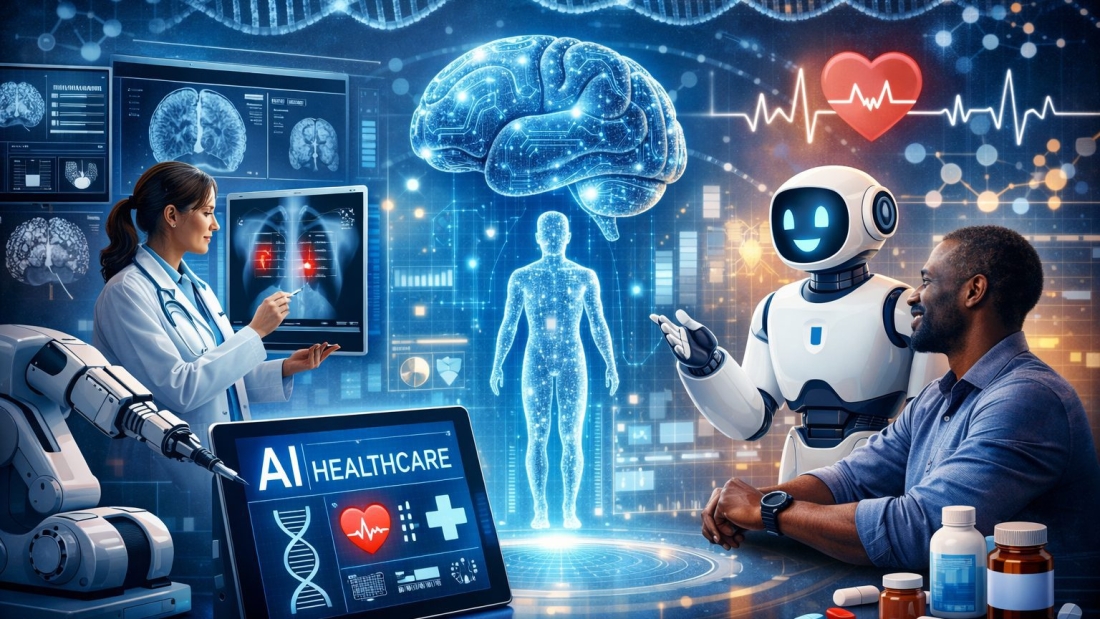
Imagine a world where diseases are detected before symptoms appear, treatments are tailored specifically to your DNA, and doctors spend more time with patients instead of paperwork. This is not science fiction anymore. AI in healthcare is rapidly reshaping the medical industry, changing how we diagnose illnesses, design treatments, and care for patients. From smart algorithms to predictive analytics, healthcare artificial intelligence is driving a shift toward faster, smarter, and more human-centered care.


AI in Healthcare Diagnostics: Faster, Smarter, More Accurate

One of the most powerful impacts of AI in healthcare is in diagnostics. Traditional diagnosis often depends on time-consuming tests and human interpretation, which can sometimes lead to delays or errors. AI changes this by analyzing massive datasets in seconds.

How AI improves medical diagnostics

AI in medical diagnostics is already making a difference in areas such as:

  • Medical imaging: AI systems can detect tumors, fractures, and internal bleeding in X-rays, MRIs, and CT scans with accuracy that rivals expert radiologists.
  • Early disease detection: Algorithms can identify early signs of cancer, heart disease, or neurological disorders before they become severe.
  • Pathology analysis: AI tools analyze biopsy samples to spot abnormalities faster and more consistently.

For example, AI models are being used to detect breast cancer and lung nodules earlier than traditional methods, helping doctors begin treatment sooner and save lives.


Personalized Medicine Powered by AI

No two patients are exactly alike, and medicine is finally catching up to that reality. Personalized medicine using AI focuses on tailoring treatments based on an individual’s genetics, lifestyle, and medical history.

How AI personalizes treatment

AI analyzes complex data such as:

  • Genetic information
  • Electronic health records
  • Treatment responses from similar patients

This allows doctors to predict which medication or therapy will work best for a specific patient. In cancer care, for instance, AI helps oncologists choose targeted therapies based on tumor genetics, improving success rates while reducing side effects.

Personalized medicine using AI also plays a key role in drug discovery, speeding up the development of new medications by identifying promising compounds in record time.


AI Transforming Patient Care and Experience

Beyond diagnosis and treatment, AI in patient care is improving the overall healthcare experience. Hospitals and clinics are using AI-powered tools to streamline workflows and enhance patient engagement.

Real-world applications of AI in patient care

  • AI chatbots and virtual assistants answer patient questions, schedule appointments, and provide medication reminders.
  • Remote patient monitoring uses AI to track vital signs through wearable devices, alerting doctors to potential issues early.
  • Clinical workflow automation reduces paperwork, allowing healthcare professionals to focus more on patient interaction.

These innovations make healthcare more accessible, especially for patients in remote or underserved areas.


Benefits of AI-Powered Healthcare

The rise of AI-powered healthcare offers clear advantages for both patients and providers.

Key benefits include:

  • Higher accuracy in diagnostics and treatment planning
  • Improved efficiency, reducing wait times and hospital workloads
  • Lower healthcare costs through early detection and prevention
  • Better patient outcomes with data-driven decision-making

By combining human expertise with intelligent systems, healthcare artificial intelligence enhances both speed and quality of care.


Challenges and Ethical Considerations

Despite its promise, AI in healthcare comes with challenges that cannot be ignored.

Some key concerns include:

  • Data privacy and security of sensitive medical information
  • Bias in AI algorithms due to unbalanced training data
  • Trust and transparency, especially when AI supports clinical decisions

Addressing these issues requires strong regulations, ethical AI design, and collaboration between technologists, healthcare providers, and policymakers.


The Future of AI in Healthcare

The future of AI in healthcare looks both exciting and transformative. Emerging trends include:

  • Predictive analytics for disease prevention
  • AI-assisted robotic surgery
  • Integration of AI with telemedicine platforms
  • More explainable and transparent AI models

As technology continues to evolve, AI will become a trusted partner to healthcare professionals rather than a replacement.


Conclusion: A Smarter, Healthier Tomorrow

AI in healthcare is no longer an emerging trend—it is a powerful force shaping the future of medicine. From revolutionizing diagnostics to enabling personalized medicine and improving patient care, healthcare artificial intelligence is making care more precise, proactive, and patient-centered. While challenges remain, the potential benefits far outweigh the risks. With responsible implementation, AI is set to create a smarter, healthier tomorrow for patients and providers alike.