

What is DevSecOps?
Breaking Down the Term DevSecOps
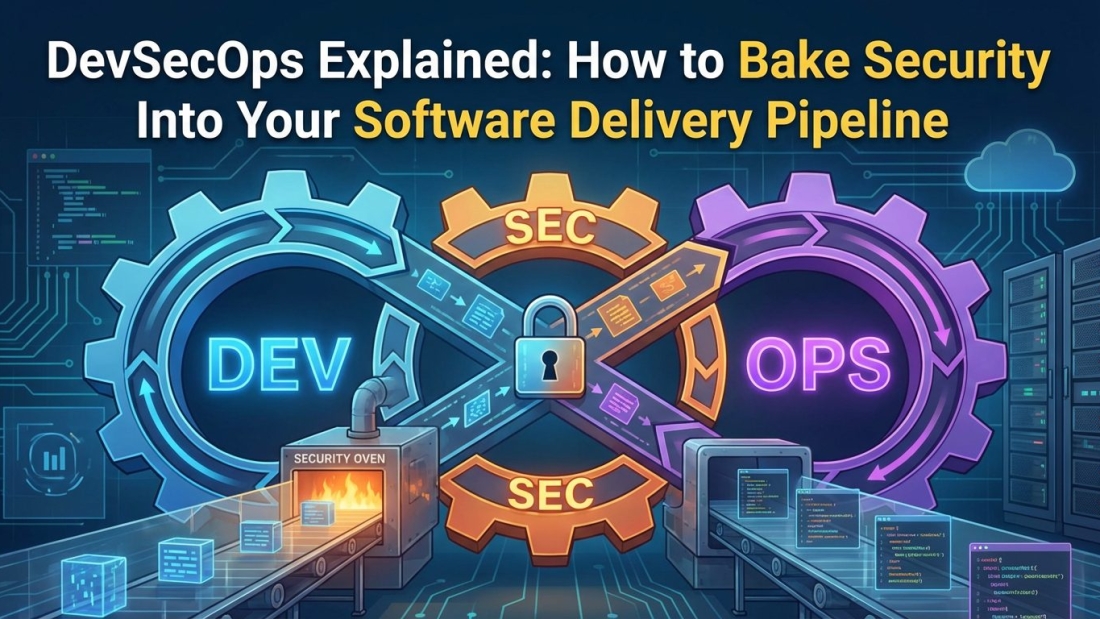
Let’s break it down in the simplest way possible. DevSecOps stands for Development, Security, and Operations—three critical pillars of modern software delivery. But here’s the twist: instead of treating security as something you tack on at the end, DevSecOps blends it into every step of the process. Think of it like baking sugar into a cake rather than sprinkling it on top afterward. The result? A smoother, more consistent outcome.
In older workflows, developers would build features quickly, then hand everything over to security teams just before release. This created delays, stress, and often a long list of vulnerabilities that were expensive to fix. DevSecOps flips this model by making security everyone’s responsibility from day one. Developers write secure code, operations teams maintain secure environments, and security experts guide the process rather than block it.
This shift doesn’t just improve security—it transforms how teams work together. Instead of operating in silos, everyone collaborates in real time. Issues are caught early, fixes are faster, and releases happen with confidence. It’s not about slowing things down—it’s about building smarter from the start.
Why DevSecOps Matters in 2026
Software development today is all about speed. Teams push updates multiple times a day, and users expect instant improvements. But here’s the catch: the faster you move, the easier it is to overlook security gaps. That’s exactly why DevSecOps has become so important in 2026.
Modern applications rely heavily on third-party libraries and open-source components. While these speed up development, they also introduce hidden risks. Without continuous security checks, vulnerabilities can slip into production unnoticed. And once they’re live, fixing them becomes much harder—and more expensive.
DevSecOps solves this by embedding security checks directly into the pipeline. Every code commit, every build, and every deployment is automatically scanned for risks. This creates a safety net that operates continuously in the background. It’s like having a security system that never sleeps, always watching for potential threats.
Organizations that adopt DevSecOps are seeing major improvements—not just in security, but also in efficiency and reliability. It’s no longer a luxury or a trend. It’s becoming the standard way to build software in a world where threats evolve just as fast as technology.
The Evolution from DevOps to DevSecOps
Traditional Software Development Challenges
Before DevOps, software development was slow and fragmented. Teams worked in isolation—developers focused on writing code, testers checked for bugs, and operations handled deployment. Security was usually the last step, which created a huge bottleneck.
This approach led to a number of problems. For one, vulnerabilities often went unnoticed until the final stages of development. Fixing them at that point was not only time-consuming but also expensive. Imagine building an entire house and then realizing the foundation is weak—you’d have to tear everything down to fix it.
Even with the introduction of DevOps, which improved collaboration and speed, security still lagged behind. Teams prioritized rapid delivery, sometimes at the expense of safety. This created a risky environment where software was released quickly but wasn’t always secure.
The need for a better solution became clear. Organizations needed a way to maintain speed without compromising security. That’s where DevSecOps stepped in.
Shift-Left Security Concept
One of the core ideas behind DevSecOps is shift-left security. This simply means moving security practices earlier in the development process. Instead of waiting until the end, teams start thinking about security right from the planning and coding stages.
This approach has a huge impact. When vulnerabilities are identified early, they’re much easier to fix. Developers can address issues while the code is still fresh in their minds, reducing the chances of errors slipping through the cracks.
Shift-left security also encourages better coding habits. Developers become more aware of potential risks and learn to avoid them proactively. Over time, this leads to cleaner, more secure codebases.
It’s a mindset shift as much as a technical one. Security is no longer a checkpoint—it’s a continuous process that evolves alongside the software.
Core Principles of DevSecOps
Automation First Approach
Automation is the backbone of DevSecOps. Without it, integrating security into fast-paced development cycles would be nearly impossible. Imagine manually reviewing every line of code for vulnerabilities—it would slow everything down to a crawl.
With automation, security checks happen instantly. Tools scan code, analyze dependencies, and monitor environments without human intervention. This not only saves time but also ensures consistency. Every build goes through the same rigorous checks, leaving no room for oversight.
Automation also reduces the burden on teams. Developers can focus on writing code, while automated systems handle repetitive security tasks. It’s like having a tireless assistant who works 24/7, catching issues before they become problems.
The beauty of automation lies in its scalability. Whether you’re managing a small project or a large enterprise system, automated security processes adapt to your needs without slowing you down.
Continuous Security Integration
DevSecOps is not a one-time setup—it’s an ongoing process. Security is integrated into every stage of the pipeline, from coding to deployment and beyond. This ensures that vulnerabilities are detected and addressed continuously.
Continuous integration means that every change is tested for security risks. If an issue is found, developers receive immediate feedback and can fix it right away. This prevents problems from piling up and becoming harder to manage later.
Over time, this creates a culture of accountability. Teams become more proactive about security, and best practices become second nature. The result is a smoother, more efficient workflow where security is always part of the conversation.
Key Benefits of DevSecOps
Faster Deployment Cycles
It might sound surprising, but adding security can actually speed things up. By catching issues early, teams avoid the delays caused by last-minute fixes. This leads to smoother releases and faster deployment cycles.
Instead of halting progress for security reviews, pipelines run seamlessly with built-in checks. Developers can push updates with confidence, knowing that security is already taken care of.
Reduced Security Risks
DevSecOps significantly reduces the risk of vulnerabilities making it into production. Continuous testing and monitoring ensure that potential threats are identified and addressed before they can cause damage.
This proactive approach minimizes the chances of breaches and reduces the impact of any issues that do occur. It’s about staying one step ahead rather than reacting after the fact.
Improved Collaboration
One of the biggest advantages of DevSecOps is improved collaboration. Teams that once worked in silos now communicate and collaborate more effectively.
Developers, security experts, and operations teams share responsibility for the entire lifecycle. This leads to better decision-making, faster problem-solving, and a stronger sense of ownership.
DevSecOps Pipeline Explained
Code Stage Security
Security begins at the coding stage. Developers use tools to scan their code for vulnerabilities, enforce best practices, and detect sensitive data like passwords or API keys.
This ensures that insecure code never enters the pipeline, reducing risks from the very beginning.
Build Stage Security
During the build phase, tools analyze dependencies and libraries. Since many applications rely on third-party components, this step is crucial for identifying vulnerabilities in external code.
Test Stage Security
Testing is where applications are thoroughly evaluated for security issues. Techniques like static and dynamic testing simulate real-world attacks and identify weaknesses.
Deploy & Monitor Security
After deployment, continuous monitoring ensures that applications remain secure. Systems track activity, detect anomalies, and respond to potential threats in real time.
Essential DevSecOps Tools
Static & Dynamic Testing Tools
These tools analyze both the code and the running application to identify vulnerabilities. They are essential for maintaining security throughout the development lifecycle.
Container & Cloud Security Tools
As more applications move to the cloud, specialized tools are needed to secure containers and cloud environments. These tools monitor configurations, detect threats, and ensure compliance.
Best Practices to Implement DevSecOps
Integrating Security Early
Start incorporating security from the very beginning of the development process. This reduces risks and makes it easier to manage vulnerabilities.
Building a Security Culture
Technology alone isn’t enough. Teams need to adopt a security-first mindset. Training, awareness, and collaboration play a key role in making DevSecOps successful.
Challenges in DevSecOps Adoption
Tool Complexity
With so many tools available, choosing and integrating the right ones can be overwhelming. Without a clear strategy, teams may struggle to manage their workflows effectively.
Cultural Resistance
Changing the way teams work is never easy. Developers may see security as a hurdle, while security teams may find it hard to adapt to faster processes. Overcoming this requires strong leadership and clear communication.
Future Trends in DevSecOps
AI in Security Automation
Artificial intelligence is playing a growing role in DevSecOps. It helps detect threats faster, automate responses, and even predict vulnerabilities before they occur.
Cloud-Native Security Evolution
As cloud computing continues to grow, DevSecOps will evolve to address new challenges. Secure pipelines and automated compliance will become standard practices.
Conclusion
DevSecOps is reshaping the way software is built and delivered. By integrating security into every stage of the pipeline, organizations can achieve both speed and safety without compromise. It’s not just about tools or processes—it’s about a cultural shift that prioritizes collaboration and proactive thinking.
Teams that embrace DevSecOps are better equipped to handle the complexities of modern development. They release faster, respond to threats more effectively, and build systems that users can trust. In a world where security risks are constantly evolving, DevSecOps provides a solid foundation for sustainable growth.