

What Is Automated Compliance Reporting?
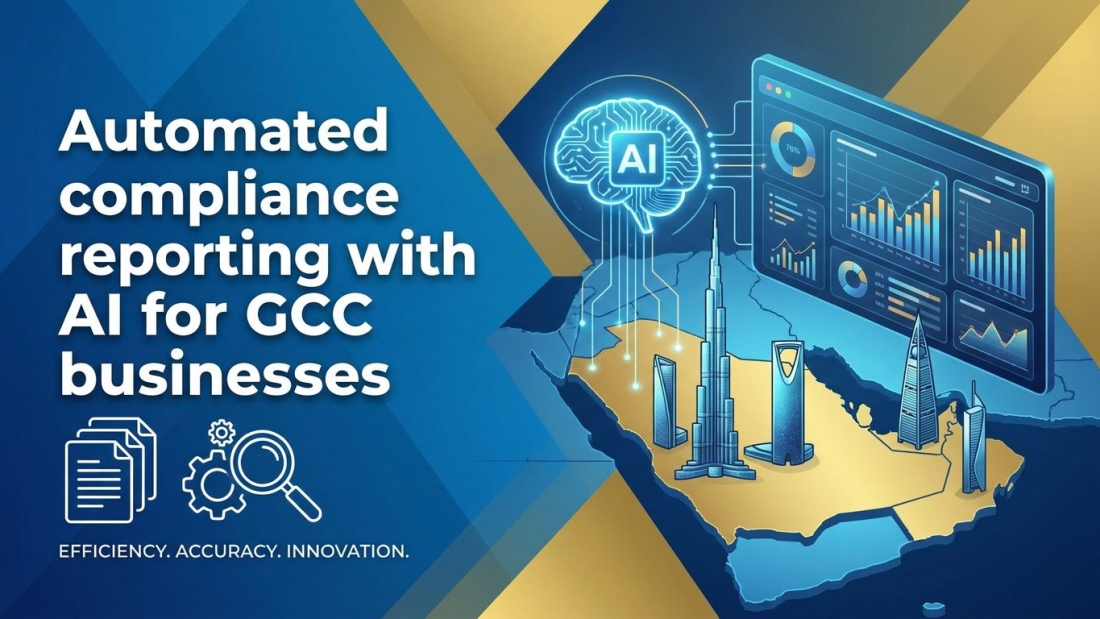
Automated compliance reporting with AI is transforming how GCC businesses manage regulations, audits, and reporting duties. Instead of spending endless hours reviewing spreadsheets and preparing reports manually, companies can now rely on AI-powered systems to handle these tasks with greater speed and accuracy. It feels similar to replacing an old paper map with smart navigation, everything becomes faster, cleaner, and easier to control.
Across the GCC region, industries like finance, healthcare, telecom, and retail operate under strict regulatory pressure. Keeping pace with changing rules can become exhausting. AI tools simplify the process by gathering data, organizing records, and generating reports automatically. This reduces workload pressure and allows leadership teams to focus more on business growth instead of administrative clutter.
Why GCC Businesses Need Smarter Compliance
Regulations across GCC countries are becoming more advanced every year. Governments are demanding stronger transparency, tighter cybersecurity, and more accurate financial reporting. Businesses that fail to meet these standards may face penalties, legal complications, or reputational damage.
Traditional compliance methods are often slow and vulnerable to human mistakes. Even a minor reporting error can create serious problems later. AI systems reduce this risk by monitoring information in real time and detecting unusual activity instantly. This gives businesses stronger oversight and greater confidence during audits.
The Growing Influence of AI in Business
Artificial intelligence is no longer just a corporate trend, it has become a practical business necessity. GCC companies are already using AI in customer service, cybersecurity, marketing, and finance. Compliance reporting is now another major area benefiting from intelligent automation.
AI-powered systems can analyze massive amounts of information within seconds and uncover patterns humans may overlook. Businesses also gain a proactive advantage because AI helps them prepare for future regulations instead of reacting at the last moment.
How AI Improves Compliance Reporting
AI compliance systems automate repetitive tasks that usually consume valuable time. These platforms gather data from different departments, verify records, and prepare reports with minimal manual involvement. It is almost like having a digital assistant operating nonstop without fatigue.
Faster Data Collection
Manual compliance reporting can take days or even weeks. AI tools pull information instantly from cloud systems, databases, and internal platforms. This improves efficiency and eliminates delays caused by missing documents or scattered spreadsheets.
Real-Time Error Detection
One of AI’s biggest strengths is immediate anomaly detection. If suspicious activity or incomplete data appears, the system sends alerts instantly. This allows businesses to fix issues before they turn into major compliance violations.
Automated Report Generation
AI platforms can create detailed compliance reports automatically. Businesses no longer need to prepare every document from scratch. This improves consistency, reduces workload, and makes audits far less stressful.
Key Benefits for GCC Companies
The rapid rise of AI compliance tools comes down to three major advantages, better accuracy, lower costs, and stronger efficiency. Companies still depending entirely on manual reporting may struggle to remain competitive in the years ahead.
Better Accuracy and Fewer Mistakes
Human error is unavoidable, especially when handling large amounts of data. AI systems reduce mistakes by validating information automatically and following compliance rules consistently. Cleaner reporting also strengthens customer and investor trust.
Time and Cost Savings
Managing large compliance teams and manual reporting processes can become expensive. AI automation reduces repetitive administrative work, allowing employees to focus on strategic tasks instead of paperwork. Over time, businesses save both time and operational costs.
Stronger Data Security
Modern AI compliance platforms include advanced cybersecurity protections such as encryption, monitoring, and access controls. This helps businesses protect sensitive information while meeting strict data privacy requirements.
Industries Using AI Compliance Tools
Several GCC industries are already embracing AI-driven compliance systems because they handle sensitive data and strict regulations daily.
Banking and Finance
Banks use AI compliance tools to monitor transactions, detect suspicious behavior, and generate financial reports automatically. This improves fraud prevention and operational efficiency.
Healthcare and Insurance
Healthcare providers rely on AI systems to secure patient information and maintain compliance with privacy laws. Automation also reduces administrative pressure on medical staff.
Retail and E-Commerce
Retail and e-commerce businesses use AI compliance software to manage tax records, payment security, and customer data more effectively. As digital commerce expands across the GCC, automation is becoming increasingly important.
Features to Look for in AI Compliance Software
Businesses should select compliance software that matches their industry requirements and operational scale.
Dashboard and Analytics
A reliable platform should offer a clear dashboard with compliance updates, risk insights, and reporting analytics in one place. This helps managers make faster decisions.
Multi-Language Support
The GCC workforce is highly diverse, so multi-language support is essential. AI systems that support both Arabic and English improve collaboration and reduce confusion.
Cloud Integration
Cloud-based compliance platforms allow employees to access reports and data remotely. This improves flexibility and keeps businesses aligned with changing regulations.
Challenges Businesses May Face
Despite its advantages, AI compliance reporting still comes with a few implementation challenges.
Employee Training
Some employees may struggle to adapt to new AI systems initially. Proper training and gradual implementation help businesses improve adoption rates.
Data Privacy Concerns
Because AI systems handle sensitive business information, companies must prioritize cybersecurity and choose trusted software providers. Weak security can lead to data breaches and compliance issues.
Future of AI Compliance in the GCC
The future of automated compliance reporting with AI for GCC businesses looks highly promising. Governments across the region are investing heavily in digital transformation and smart technologies. Compliance systems will continue becoming faster, smarter, and more connected.
Predictive compliance will likely become more common, allowing businesses to identify risks before violations occur. Companies adopting these technologies early may gain a strong competitive advantage.
Conclusion
AI-powered compliance reporting is reshaping how GCC businesses manage regulations and audits. From reducing errors to improving efficiency and strengthening security, intelligent automation offers major benefits for modern enterprises.
As compliance demands continue evolving, businesses investing in AI-driven reporting tools today will be far better prepared for tomorrow’s challenges.