
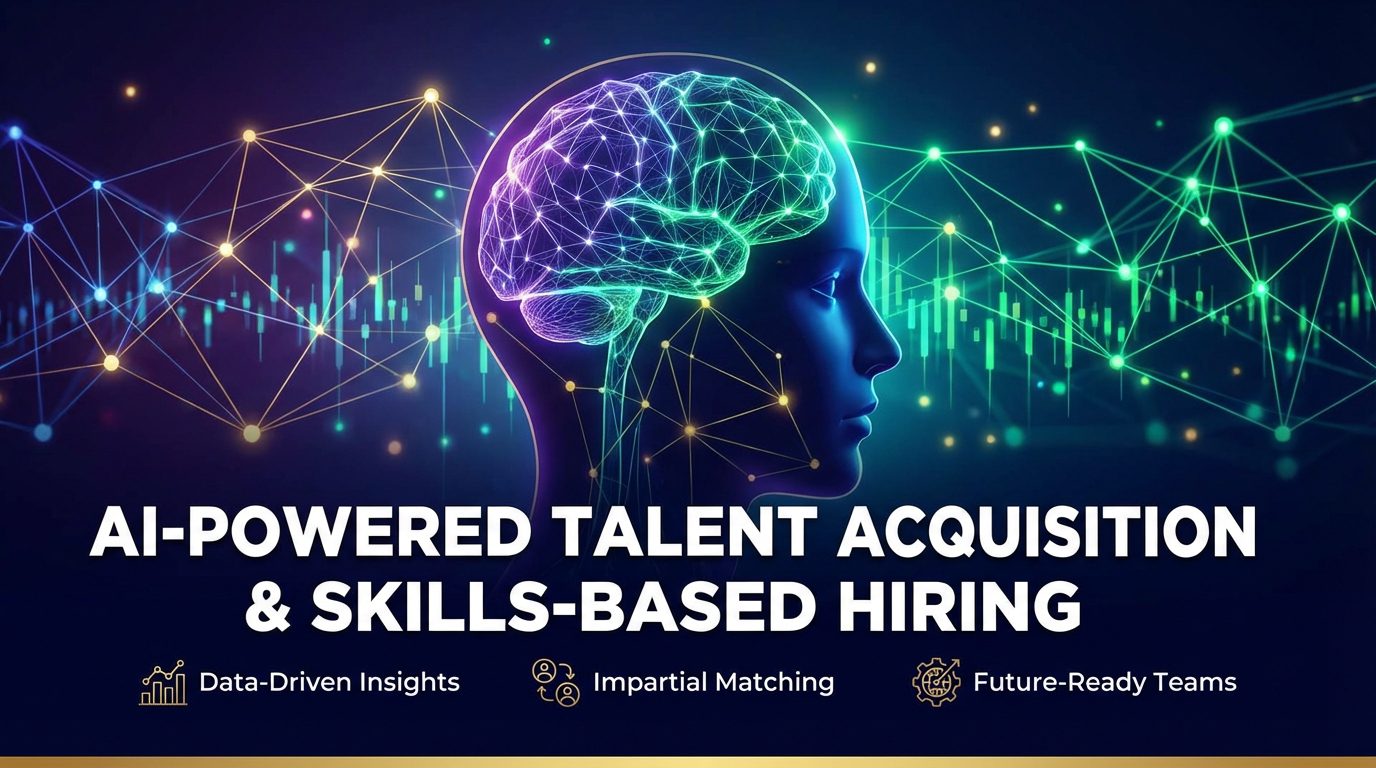
The Evolution of Hiring in the AI Era
Traditional Hiring vs Modern Hiring
Traditional hiring used to revolve around resumes, degrees, and job titles. Recruiters would scan documents, looking for familiar institutions, recognizable companies, and a certain number of years of experience. While this method worked to some extent, it often overlooked real capability. A candidate might have an impressive academic background but lack practical skills, while someone highly capable could be ignored simply because they did not follow the traditional path.
Modern hiring flips this approach. With the rise of AI-powered talent acquisition, companies now rely on data and technology to identify the best candidates. Instead of making assumptions based on surface-level information, organizations analyze deeper insights such as skills, performance patterns, and potential for growth. This shift allows businesses to make more informed decisions and reduce costly hiring mistakes.
The difference between the two approaches is significant. Traditional hiring is like judging a book by its cover, while modern hiring is about understanding the full story. In today’s competitive market, companies can no longer afford to rely on outdated practices. They need faster, smarter, and more accurate methods to stay ahead.
Why Change Was Inevitable
The shift toward AI-driven hiring did not happen overnight. It was driven by several factors, including rapid technological advancement, changing job requirements, and a growing gap between available skills and employer needs. As industries evolved, the demand for specialized skills increased, making it harder for traditional hiring methods to keep up.
Another major factor is the global nature of today’s workforce. Remote work has opened opportunities for companies to hire talent from anywhere in the world. This expansion requires systems that can efficiently process large volumes of applications and identify the most suitable candidates quickly. Manual processes simply cannot handle this scale.
At the same time, businesses began to realize that degrees and past job titles are not always reliable indicators of success. Real-world performance depends on practical skills, adaptability, and problem-solving ability. This realization paved the way for a new approach that focuses on what candidates can actually do rather than where they come from.
What is AI-Powered Talent Acquisition?
Definition and Core Concepts
AI-powered talent acquisition refers to the use of artificial intelligence technologies to enhance and automate various stages of the hiring process. From sourcing candidates to screening resumes and conducting initial interviews, AI plays a critical role in improving efficiency and accuracy.
Think of AI as a highly intelligent assistant that can process vast amounts of data in seconds. It can analyze resumes, match candidates to job requirements, and even predict future performance based on historical data. This capability allows recruiters to focus on strategic tasks such as building relationships and making final decisions.
One of the key advantages of AI is its ability to reduce time-to-hire. By automating repetitive tasks, organizations can move candidates through the hiring process more quickly. This not only saves time but also improves the candidate experience, as applicants receive faster responses and clearer communication.
Key Technologies Behind AI Hiring
Several technologies power AI-driven hiring systems, each playing a unique role in the process. Natural Language Processing enables machines to understand and interpret human language, allowing them to analyze resumes and job descriptions effectively. Machine learning algorithms learn from past hiring decisions and continuously improve their accuracy over time.
Another important component is predictive analytics, which uses data to forecast outcomes such as candidate success and retention. This helps organizations make more informed decisions and reduce the risk of hiring mismatches. Additionally, chatbots and automation tools handle communication tasks, such as answering candidate questions and scheduling interviews.
These technologies work together to create a seamless hiring experience. They not only improve efficiency but also provide valuable insights that were previously unavailable. As a result, companies can make better decisions and build stronger teams.
Understanding Skills-Based Hiring
What It Means
Skills-based hiring focuses on evaluating candidates based on their abilities rather than their educational background or work history. This approach prioritizes practical skills, problem-solving capabilities, and real-world performance.
In a skills-based model, candidates are often required to complete assessments, simulations, or practical tasks that demonstrate their expertise. This allows employers to see how individuals perform in real situations rather than relying on theoretical knowledge or past credentials.
This approach is particularly valuable in industries where skills evolve rapidly. For example, in technology and digital marketing, new tools and techniques emerge frequently, making it essential for employees to continuously update their knowledge. Skills-based hiring ensures that companies select candidates who can adapt and thrive in such environments.
Why Degrees Are Losing Importance
While degrees still hold value, they are no longer the primary factor in hiring decisions. Many employers have realized that formal education does not always reflect a candidate’s ability to perform a job effectively. In some cases, individuals without traditional qualifications may possess exceptional skills gained through self-learning or practical experience.
The rise of alternative learning methods has further contributed to this shift. People can now acquire valuable skills outside of traditional academic institutions, making it easier for them to compete in the job market.
By focusing on skills rather than credentials, companies can access a broader and more diverse talent pool. This not only increases the chances of finding the right candidate but also promotes inclusivity and equal opportunity.
Why AI and Skills-Based Hiring Work Together
The Perfect Match Explained
AI and skills-based hiring complement each other perfectly. AI provides the speed and scalability needed to process large volumes of applications, while skills-based hiring ensures that candidates are evaluated accurately based on their abilities.
For example, AI can quickly identify candidates who meet specific skill requirements and rank them accordingly. These candidates can then undergo assessments or practical tests to validate their skills. This two-step process improves the accuracy of hiring decisions and reduces the likelihood of errors.
The combination of these approaches creates a more efficient and effective hiring system. It allows companies to identify top talent quickly while ensuring that candidates are evaluated fairly and objectively.
Real-World Application Examples
Many organizations are already using AI and skills-based hiring in their recruitment processes. AI tools are used to source candidates, screen applications, and shortlist individuals based on skill compatibility. Candidates then complete assessments or participate in simulations to demonstrate their abilities.
This approach not only improves hiring accuracy but also enhances the candidate experience. Applicants are evaluated based on their skills rather than arbitrary criteria, making the process more transparent and fair. As a result, companies can build stronger teams and achieve better outcomes.
Key Benefits of AI in Talent Acquisition
Faster Hiring
Speed is a critical factor in recruitment. Delays in the hiring process can result in losing top talent to competitors. AI helps accelerate every stage of hiring, from sourcing candidates to conducting initial screenings.
By automating repetitive tasks, AI allows recruiters to focus on more strategic activities. This leads to faster decision-making and shorter hiring cycles. Candidates also benefit from quicker responses, which improves their overall experience.
Reduced Bias
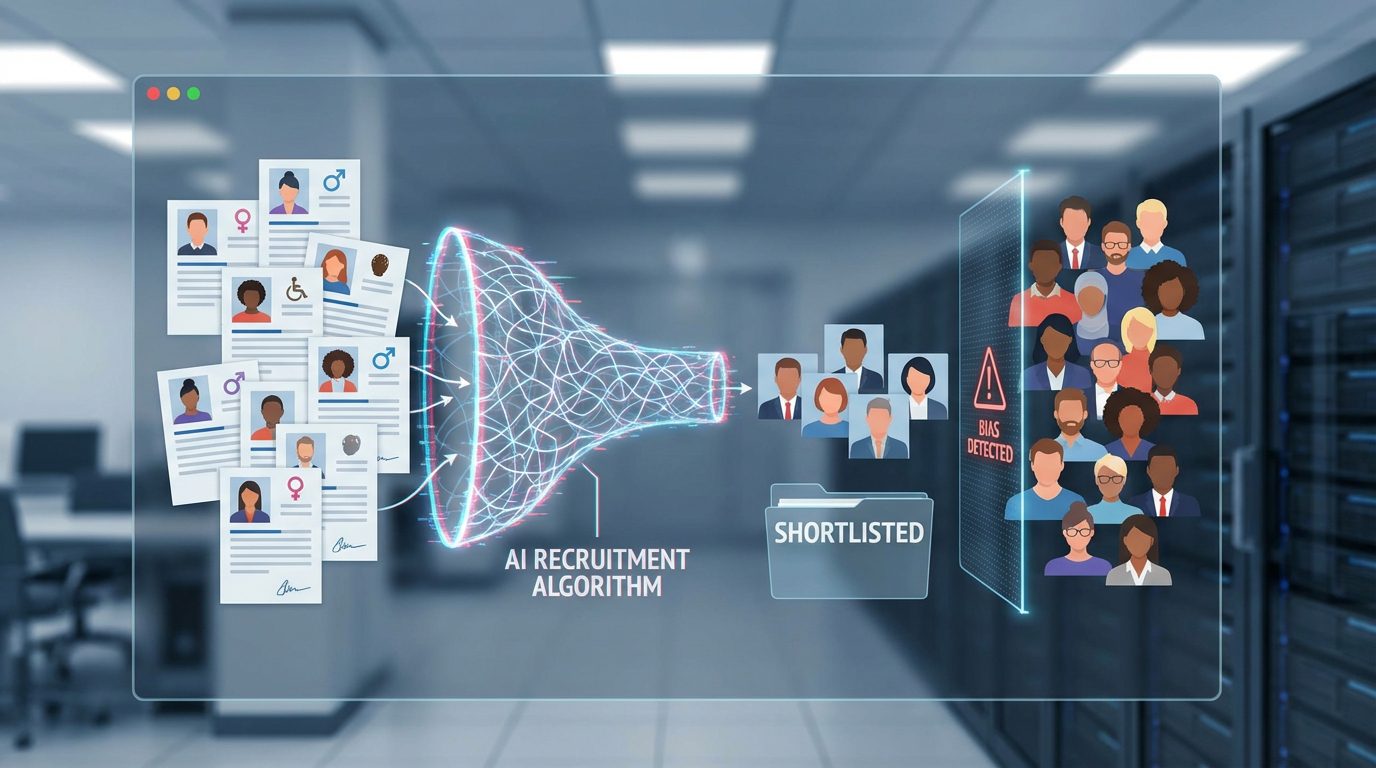
Bias has long been a challenge in hiring. Human decisions can be influenced by unconscious preferences, leading to unfair outcomes. AI can help address this issue by focusing on data and objective criteria.
When designed and implemented correctly, AI systems evaluate candidates based on their skills and qualifications rather than subjective factors. This promotes fairness and inclusivity, helping organizations build diverse teams.
Benefits of Skills-Based Hiring
Better Talent Pool
Skills-based hiring expands the talent pool by removing unnecessary barriers. Candidates who may have been overlooked due to lack of formal education or traditional experience now have the opportunity to showcase their abilities.
This approach allows companies to discover hidden talent and tap into a wider range of candidates. It also encourages diversity, as individuals from different backgrounds can compete on an equal footing.
Improved Performance and Retention
Hiring based on skills leads to better job performance. Employees who possess the required abilities are more likely to succeed in their roles and contribute to the organization’s goals.
Additionally, skills-based hiring improves employee satisfaction and retention. When individuals are placed in roles that match their capabilities, they are more engaged and motivated. This reduces turnover and creates a more stable workforce.
Challenges and Risks
AI Bias and Ethical Concerns
Despite its advantages, AI is not without challenges. One of the main concerns is the potential for bias. If AI systems are trained on biased data, they may produce biased outcomes. This can undermine fairness and lead to unintended consequences.
To address this issue, organizations must regularly audit their AI systems and ensure that they are designed to promote fairness and transparency. Human oversight is also essential to identify and correct any biases that may arise.
Implementation Barriers
Implementing AI in hiring requires investment, training, and organizational change. Some companies may face challenges in integrating new technologies with existing systems. Others may struggle with resistance from employees who are unfamiliar with AI tools.
Overcoming these barriers requires a strategic approach. Organizations must invest in training and development to ensure that their teams can effectively use AI technologies. They must also create a culture that embraces innovation and continuous improvement.
Tools and Technologies Used
AI Recruitment Software
AI recruitment software combines multiple functionalities into a single platform. These tools can automate tasks such as resume screening, candidate sourcing, and interview scheduling. They also provide insights and analytics to support decision-making.
Skills Assessment Platforms
Skills assessment platforms play a crucial role in evaluating candidate abilities. These tools offer various types of assessments, including coding tests, simulations, and case studies. They provide objective data that helps employers make informed hiring decisions.
Future Trends in Hiring
Agentic AI and Automation
The future of hiring is moving toward more advanced forms of AI. Agentic AI systems can handle entire workflows independently, from sourcing candidates to making recommendations. This level of automation has the potential to transform recruitment processes even further.
Rise of Hybrid Hiring Models
The future is not about replacing humans with machines. Instead, it is about combining the strengths of both. Hybrid hiring models integrate AI technology with human judgment, creating a balanced approach that maximizes efficiency and effectiveness.
How Companies Can Adapt
Building a Skills-First Strategy
To stay competitive, companies must adopt a skills-first approach. This involves redefining job requirements, focusing on capabilities rather than credentials, and implementing assessment-based evaluations.
Training Recruiters for AI Integration
Recruiters need to develop new skills to work effectively with AI tools. This includes understanding data analytics, learning how to interpret AI-generated insights, and adapting to new technologies. Training and development programs can help organizations prepare their teams for this transition.
Conclusion
AI-powered talent acquisition and skills-based hiring are reshaping the future of recruitment. Together, they offer a more efficient, accurate, and fair approach to hiring. Organizations that embrace these strategies can improve their hiring outcomes, build stronger teams, and stay ahead in a competitive market. The shift is already underway, and those who adapt quickly will be better positioned for long-term success.