
Introduction to AI Hallucinations
Artificial Intelligence feels magical sometimes, right? You ask a question, and within seconds, you get a clean, confident answer. But here’s the twist—sometimes that answer is completely wrong. Not just slightly off. Totally made up.
That’s what we call AI hallucinations.
Let’s break it down in simple terms and understand why large language models (LLMs) sometimes create incorrect or nonsensical information.
What Does “Hallucination” Mean in AI?
In humans, a hallucination means seeing or hearing something that isn’t real. In AI, it means generating information that sounds real—but isn’t.
The model might:
- Invent facts
- Create fake references
- Misquote people
- Or confidently explain something that doesn’t exist
And the scary part? It sounds believable.
Why This Topic Matters Today
AI tools are now used in:
- Education
- Healthcare
- Law
- Business
- Journalism
If AI gives false information in these areas, the consequences can be serious. So understanding hallucinations isn’t optional—it’s essential.
Understanding Large Language Models (LLMs)
Before we blame the machine, we need to understand how it works.
What Are Large Language Models?
Large language models (LLMs) are AI systems trained on massive amounts of text. They learn patterns in language by analyzing billions of words.
Think of them as super-powered autocomplete systems.
How LLMs Generate Responses
When you ask a question, the model doesn’t “know” the answer. Instead, it predicts the most likely next word based on patterns it learned.
It’s like playing a probability game.
The Role of Training Data
LLMs are trained on:
- Books
- Articles
- Websites
- Public data
But the internet isn’t perfect. It contains errors, bias, outdated information, and even falsehoods. If bad data goes in, flawed predictions can come out.
Probability, Not Understanding
Here’s the key thing:
AI doesn’t understand meaning like humans do.
It doesn’t think, doesn’t reason the way you do.
It predicts.
That’s a big difference.
Why AI Hallucinations Happen
Now let’s get to the real question—why does AI make things up?
Lack of True Understanding
AI doesn’t have real-world experience. It doesn’t “know” what’s true. It only knows patterns.
If the pattern suggests a confident answer, it gives one—even if it’s wrong.
Incomplete or Biased Training Data
No dataset is complete. Some topics may have limited information. When the model faces gaps, it tries to fill them.
Imagine answering an exam question when you only studied half the syllabus. You’d probably guess. AI does the same.
Overconfidence in Predictions
Language models are designed to produce fluent responses. They don’t say “I’m not sure” unless specifically trained to.
So even when uncertain, they sound confident. And confidence can be misleading.
Ambiguous or Complex Prompts
Sometimes the problem isn’t the AI—it’s the question.
If a prompt is vague, confusing, or overly complex, the model may interpret it incorrectly and generate inaccurate results.
Clear input leads to better output.
Types of AI Hallucinations
Not all hallucinations look the same.
Factual Errors
These are simple inaccuracies. Wrong dates. Incorrect statistics. Misstated historical facts.
They look small—but can damage credibility.
Fabricated Citations and Sources
This one is dangerous.
AI may create:
- Fake research papers
- Non-existent authors
- Incorrect journal references
Everything looks real—but the source doesn’t exist.
Logical Inconsistencies
Sometimes the model contradicts itself in the same response.
It may say:
- “X is true.”
- Then later: “X is false.”
It’s like arguing with itself.
Nonsensical Outputs
Occasionally, responses just don’t make sense. Sentences might be grammatically correct but logically absurd.
It’s rare—but it happens.
Real-World Examples of AI Hallucinations
Let’s make this practical.
Mistakes in Academic Writing
Students using AI for essays sometimes discover fake references in their bibliography. That’s a serious academic issue.
Errors in Legal or Medical Contexts
Imagine a lawyer relying on AI-generated case law that doesn’t exist. Or a medical student receiving incorrect drug information.
That’s risky territory.
Misleading Business Information
Businesses using AI for reports may get:
- Incorrect market statistics
- Fabricated competitor data
- Inaccurate financial projections
One wrong number can cost thousands.
The Impact of AI Hallucinations
Misinformation and Trust Issues
If users repeatedly encounter false information, trust erodes.
And once trust is broken, it’s hard to rebuild.
Risks in Critical Decision-Making
Using hallucinated information in:
- Healthcare
- Law
- Finance
can have serious consequences.
AI should assist decisions—not replace human judgment.
Ethical and Legal Concerns
Who is responsible when AI generates false information?
The developer?
The user?
The company deploying it?
These questions are still being debated.
How Developers Reduce Hallucinations
The good news? Researchers are actively working on solutions.
Better Training Techniques
Improving data quality helps reduce false outputs.
Cleaner data = fewer hallucinations.
Reinforcement Learning with Human Feedback
Humans review AI responses and guide the model toward better behavior.
It’s like training a dog—with rewards for good answers.
Fact-Checking Integrations
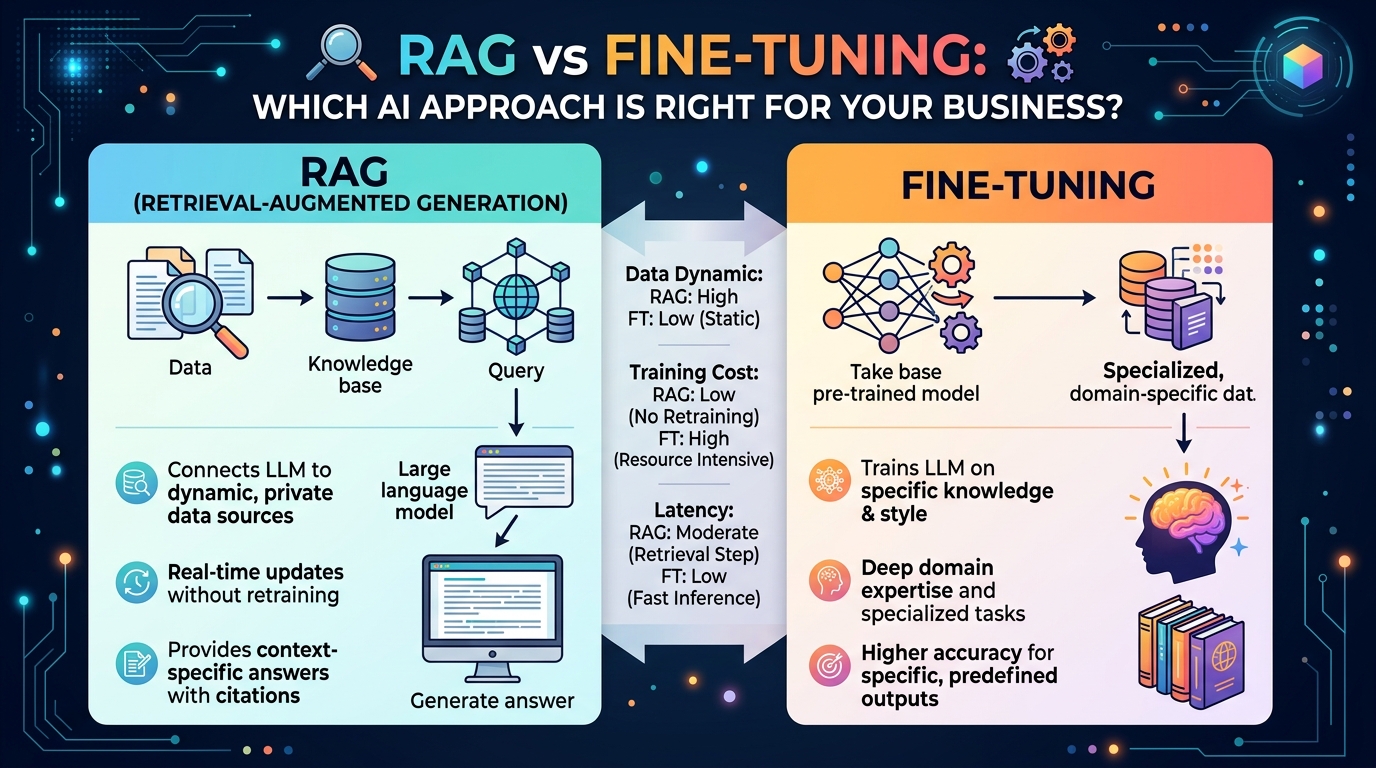
Some systems connect AI models to live databases and search tools to verify facts in real time.
This reduces guesswork.
How Users Can Minimize AI Hallucinations
You’re not powerless here.
Writing Clear Prompts
Be specific.
Give context.
Ask precise questions.
Better prompts = better answers.
Verifying Information
Always double-check:
- Statistics
- Quotes
- Citations
- Medical or legal advice
Treat AI as a draft generator—not a final authority.
Using AI as a Helper, Not an Authority
Think of AI like a smart assistant.
Would you blindly trust an assistant without verification? Probably not.
Use it to brainstorm, outline, and summarize—but verify critical facts yourself.
The Future of AI and Hallucination Control
So, will hallucinations disappear completely?
Probably not.
But they will decrease.
Improved Model Architecture
Newer AI models are being designed with better reasoning capabilities.
Each generation gets smarter and more reliable.
Hybrid Systems with Knowledge Bases
Combining AI with verified databases reduces made-up content.
It’s like giving the model a reliable library instead of just memory.
Human-AI Collaboration
The best results come from teamwork.
AI handles speed and scale.
Humans handle judgment and critical thinking.
That’s the winning formula.
Conclusion
AI hallucinations aren’t magic. They’re not intentional lies. They’re the result of probability-based prediction systems working with imperfect data.
Large language models don’t understand truth the way humans do. They predict what sounds right. Most of the time, that works beautifully. Sometimes, it doesn’t.
The solution isn’t fear. It’s awareness.
Use AI wisely.
Verify important information.
And remember—it’s a tool, not an oracle.