
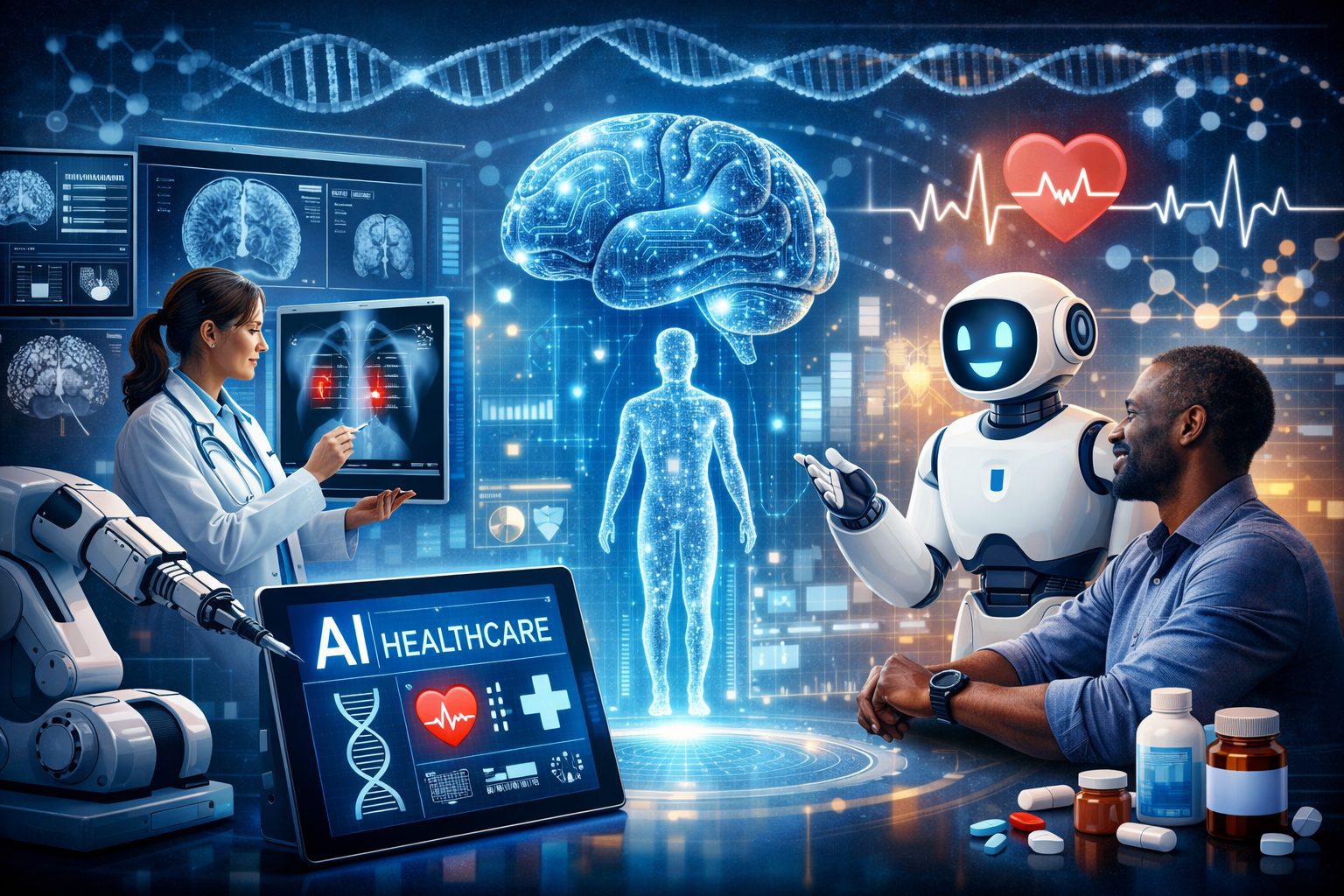
Imagine a world where diseases are detected before symptoms appear, treatments are tailored specifically to your DNA, and doctors spend more time with patients instead of paperwork. This is not science fiction anymore. AI in healthcare is rapidly reshaping the medical industry, changing how we diagnose illnesses, design treatments, and care for patients. From smart algorithms to predictive analytics, healthcare artificial intelligence is driving a shift toward faster, smarter, and more human-centered care.
AI in Healthcare Diagnostics: Faster, Smarter, More Accurate
One of the most powerful impacts of AI in healthcare is in diagnostics. Traditional diagnosis often depends on time-consuming tests and human interpretation, which can sometimes lead to delays or errors. AI changes this by analyzing massive datasets in seconds.
How AI improves medical diagnostics
AI in medical diagnostics is already making a difference in areas such as:
- Medical imaging: AI systems can detect tumors, fractures, and internal bleeding in X-rays, MRIs, and CT scans with accuracy that rivals expert radiologists.
- Early disease detection: Algorithms can identify early signs of cancer, heart disease, or neurological disorders before they become severe.
- Pathology analysis: AI tools analyze biopsy samples to spot abnormalities faster and more consistently.
For example, AI models are being used to detect breast cancer and lung nodules earlier than traditional methods, helping doctors begin treatment sooner and save lives.
Personalized Medicine Powered by AI
No two patients are exactly alike, and medicine is finally catching up to that reality. Personalized medicine using AI focuses on tailoring treatments based on an individual’s genetics, lifestyle, and medical history.
How AI personalizes treatment
AI analyzes complex data such as:
- Genetic information
- Electronic health records
- Treatment responses from similar patients
This allows doctors to predict which medication or therapy will work best for a specific patient. In cancer care, for instance, AI helps oncologists choose targeted therapies based on tumor genetics, improving success rates while reducing side effects.
Personalized medicine using AI also plays a key role in drug discovery, speeding up the development of new medications by identifying promising compounds in record time.
AI Transforming Patient Care and Experience
Beyond diagnosis and treatment, AI in patient care is improving the overall healthcare experience. Hospitals and clinics are using AI-powered tools to streamline workflows and enhance patient engagement.
Real-world applications of AI in patient care
- AI chatbots and virtual assistants answer patient questions, schedule appointments, and provide medication reminders.
- Remote patient monitoring uses AI to track vital signs through wearable devices, alerting doctors to potential issues early.
- Clinical workflow automation reduces paperwork, allowing healthcare professionals to focus more on patient interaction.
These innovations make healthcare more accessible, especially for patients in remote or underserved areas.
Benefits of AI-Powered Healthcare
The rise of AI-powered healthcare offers clear advantages for both patients and providers.
Key benefits include:
- Higher accuracy in diagnostics and treatment planning
- Improved efficiency, reducing wait times and hospital workloads
- Lower healthcare costs through early detection and prevention
- Better patient outcomes with data-driven decision-making
By combining human expertise with intelligent systems, healthcare artificial intelligence enhances both speed and quality of care.
Challenges and Ethical Considerations
Despite its promise, AI in healthcare comes with challenges that cannot be ignored.
Some key concerns include:
- Data privacy and security of sensitive medical information
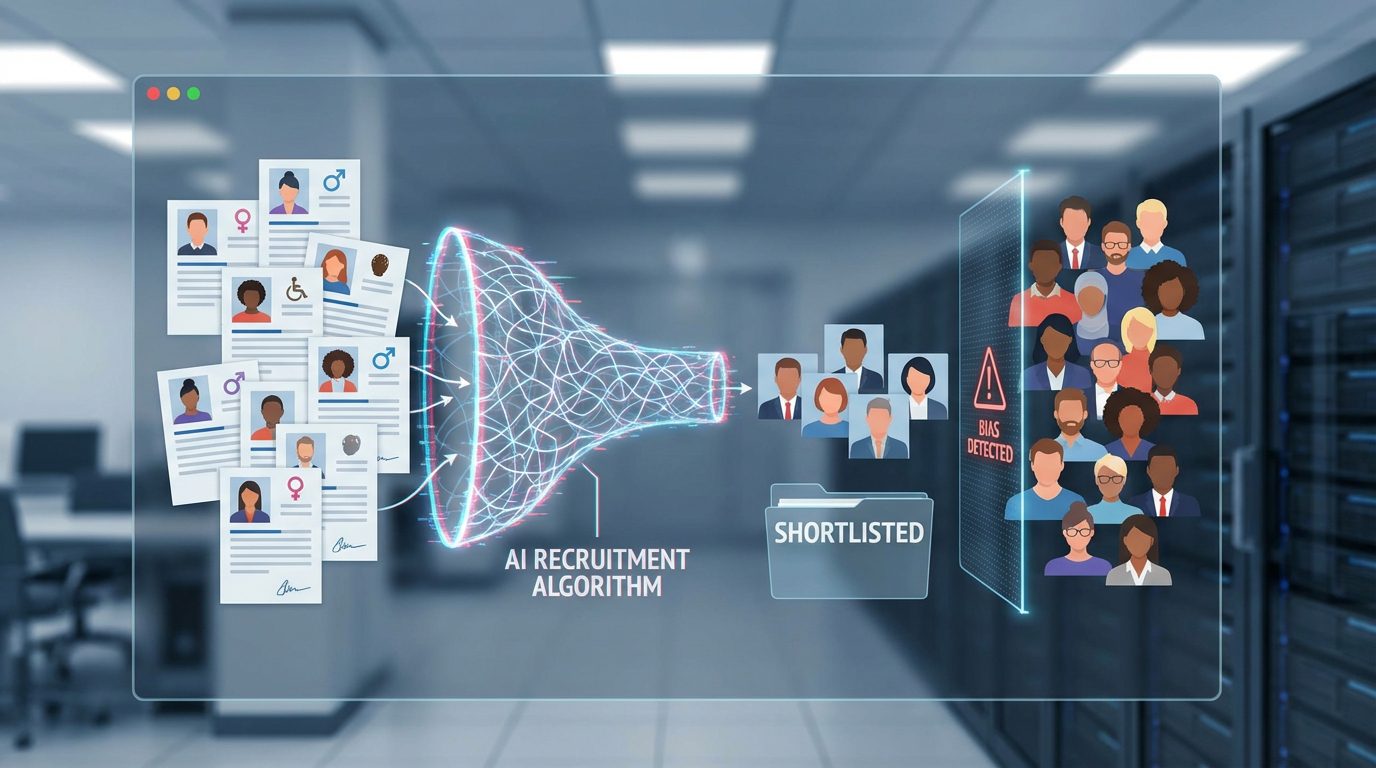
- Bias in AI algorithms due to unbalanced training data
- Trust and transparency, especially when AI supports clinical decisions
Addressing these issues requires strong regulations, ethical AI design, and collaboration between technologists, healthcare providers, and policymakers.
The Future of AI in Healthcare
The future of AI in healthcare looks both exciting and transformative. Emerging trends include:
- Predictive analytics for disease prevention
- AI-assisted robotic surgery
- Integration of AI with telemedicine platforms
- More explainable and transparent AI models
As technology continues to evolve, AI will become a trusted partner to healthcare professionals rather than a replacement.
Conclusion: A Smarter, Healthier Tomorrow
AI in healthcare is no longer an emerging trend—it is a powerful force shaping the future of medicine. From revolutionizing diagnostics to enabling personalized medicine and improving patient care, healthcare artificial intelligence is making care more precise, proactive, and patient-centered. While challenges remain, the potential benefits far outweigh the risks. With responsible implementation, AI is set to create a smarter, healthier tomorrow for patients and providers alike.