Introduction to AI-Native Programming
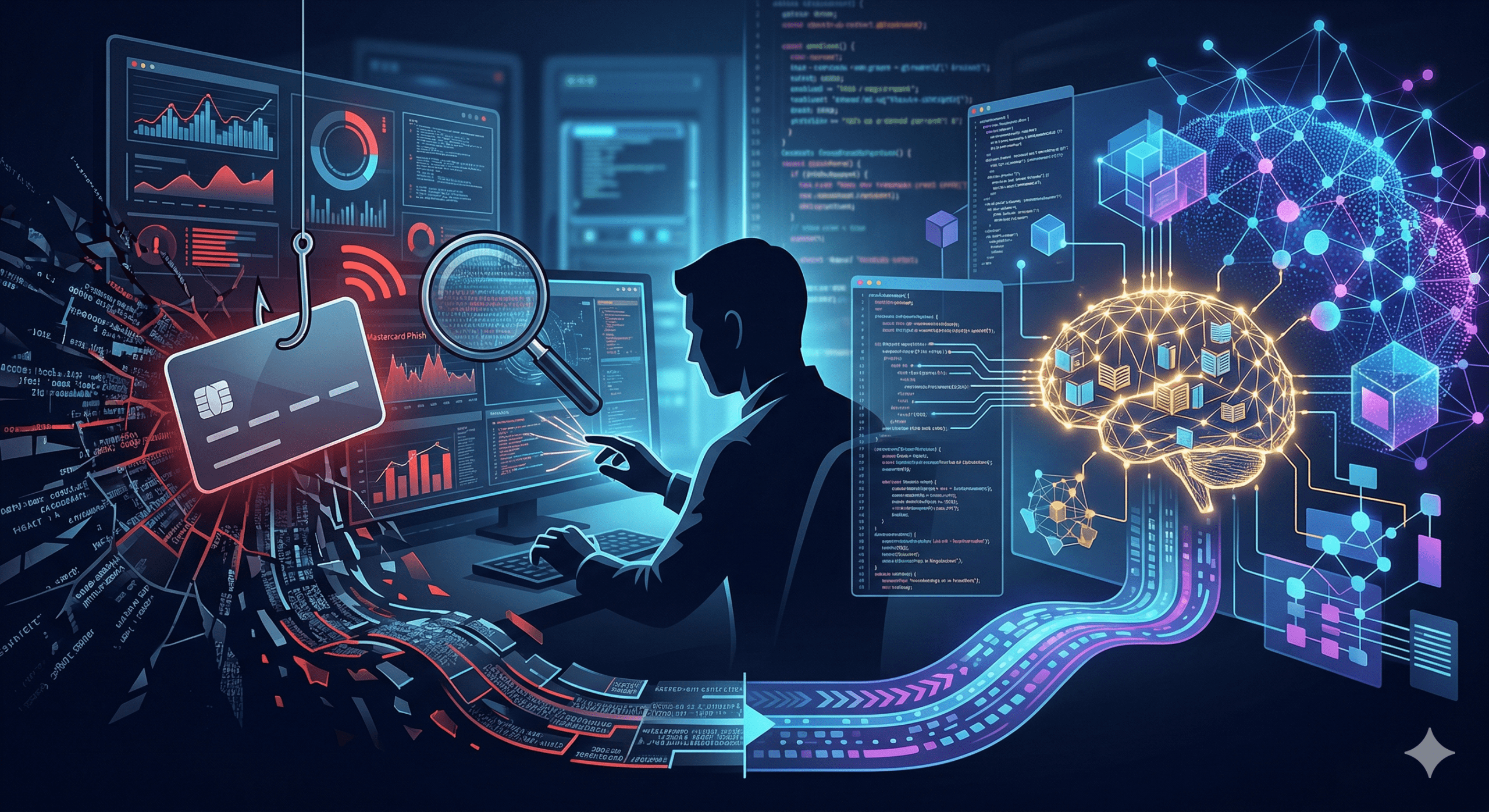
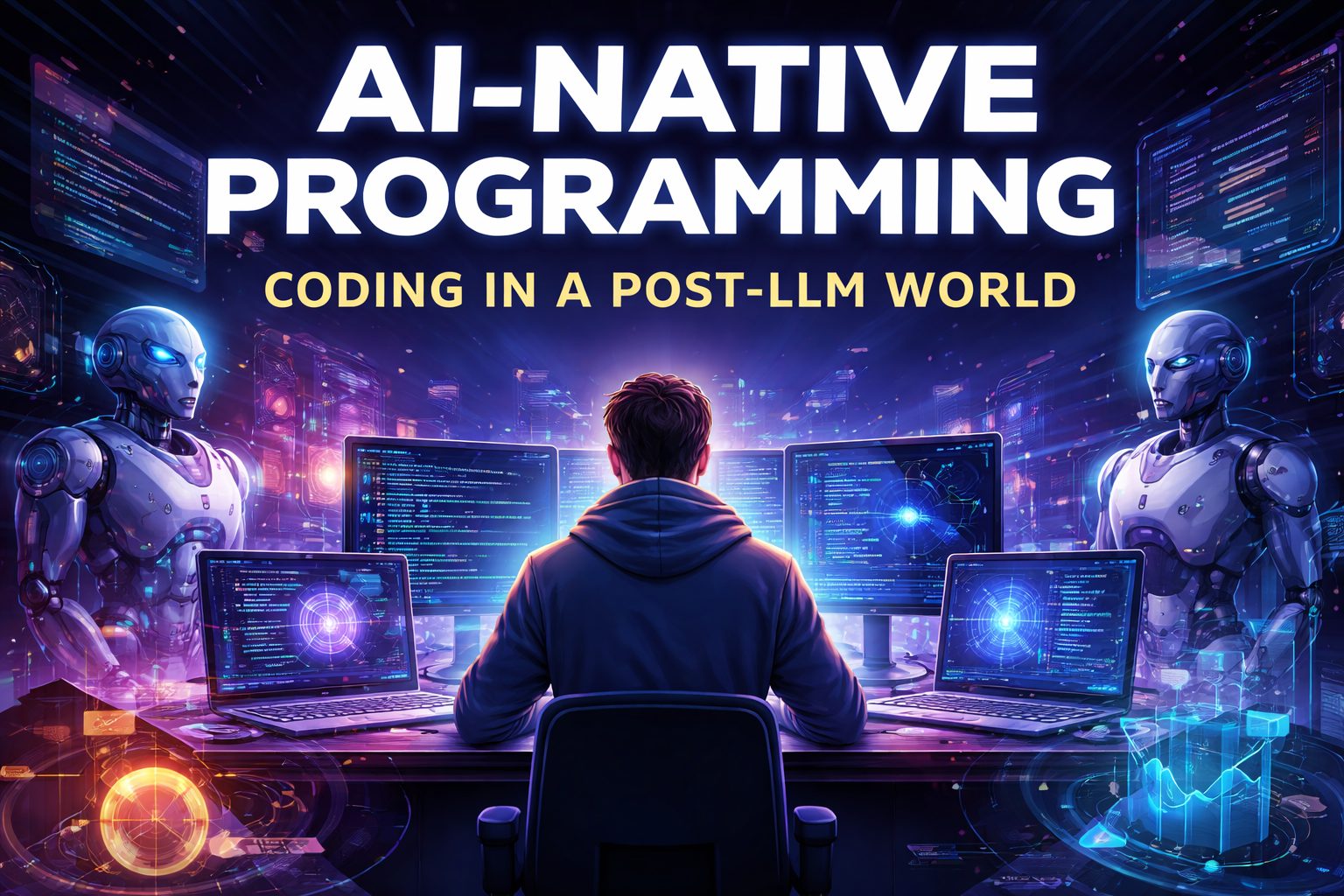
Let’s be honest—coding doesn’t look the same anymore. If you’ve written software in the last few years, you’ve probably felt it too. AI isn’t just helping developers write code faster; it’s changing how we think about programming altogether. Welcome to AI-native programming, where software is built with AI at its core, not as an afterthought.
This isn’t just another trend. It’s a shift as big as moving from assembly language to high-level programming. And yes, we’re already living in it.
What Does “Post-LLM World” Really Mean?
A post-LLM world doesn’t mean Large Language Models (LLMs) are gone. Quite the opposite. It means they’re everywhere—quietly embedded into workflows, tools, and decision-making processes.
In this world:
- Writing every line of code manually feels outdated
- Developers focus more on intent than syntax
- AI becomes a collaborator, not just a tool
Think of it like GPS for coding. You still drive the car, but you’re no longer memorizing every road.
How Programming Looked Before LLMs
Before LLMs, programming was mostly:
- Manual coding line by line
- Heavy reliance on documentation and Stack Overflow
- Slow debugging cycles
- Steep learning curves for beginners
Developers spent more time writing code than thinking about systems. Creativity was often limited by time, syntax, and repetitive tasks.
The Rise of AI-Native Developers
AI-native developers are not just coders who “use AI.” They design software assuming AI will:
- Generate boilerplate
- Suggest architectures
- Refactor and optimize code
- Explain and document logic
They don’t ask “Can AI help here?”
They ask “Why wouldn’t AI handle this?”
Core Principles of AI-Native Programming
Human-in-the-Loop Development
AI writes fast. Humans think deep. AI-native programming blends both. Developers guide, review, and validate while AI handles execution-heavy tasks.
It’s like flying a plane with autopilot—you’re still the pilot.
Prompt-Driven Engineering
Prompts become the new instructions. Clear, structured prompts define:
- What the system should do
- Constraints and edge cases
- Performance and security expectations
Bad prompt? Bad output. Simple as that.
Model-Aware Code Design
AI-native systems are built knowing:
- Which models are used
- Their strengths and limits
- How they evolve over time
This awareness shapes architecture decisions from day one.
Automation-First Mindset
If a task is repetitive, AI should own it. Testing, documentation, refactoring—automation isn’t optional anymore. It’s expected.
How LLMs Are Changing the Coding Workflow
From Writing Code to Directing Code
Developers are shifting from typing code to directing outcomes. Instead of asking “How do I write this loop?” you ask “What’s the best way to solve this problem?”
AI handles the “how.” You focus on the “why.”
AI as a Pair Programmer
LLMs don’t get tired. They don’t judge. In fact, they explain things calmly, again and again.
They:
- Suggest improvements
- Catch bugs early
- Offer alternative approaches
It’s like having a senior developer on call 24/7.
Faster Prototyping and Iteration
Ideas move from concept to code in hours, not weeks. Startups love this. So do enterprises racing against time.
Speed is no longer a luxury—it’s the default.
AI-Native Tools and Frameworks
AI-Assisted IDEs
Modern IDEs now:
- Autocomplete entire functions
- Explain unfamiliar code
- Refactor with context awareness
Coding feels more like a conversation than a chore.
Agent-Based Development Platforms
AI agents can:
- Build features autonomously
- Run tests
- Fix errors
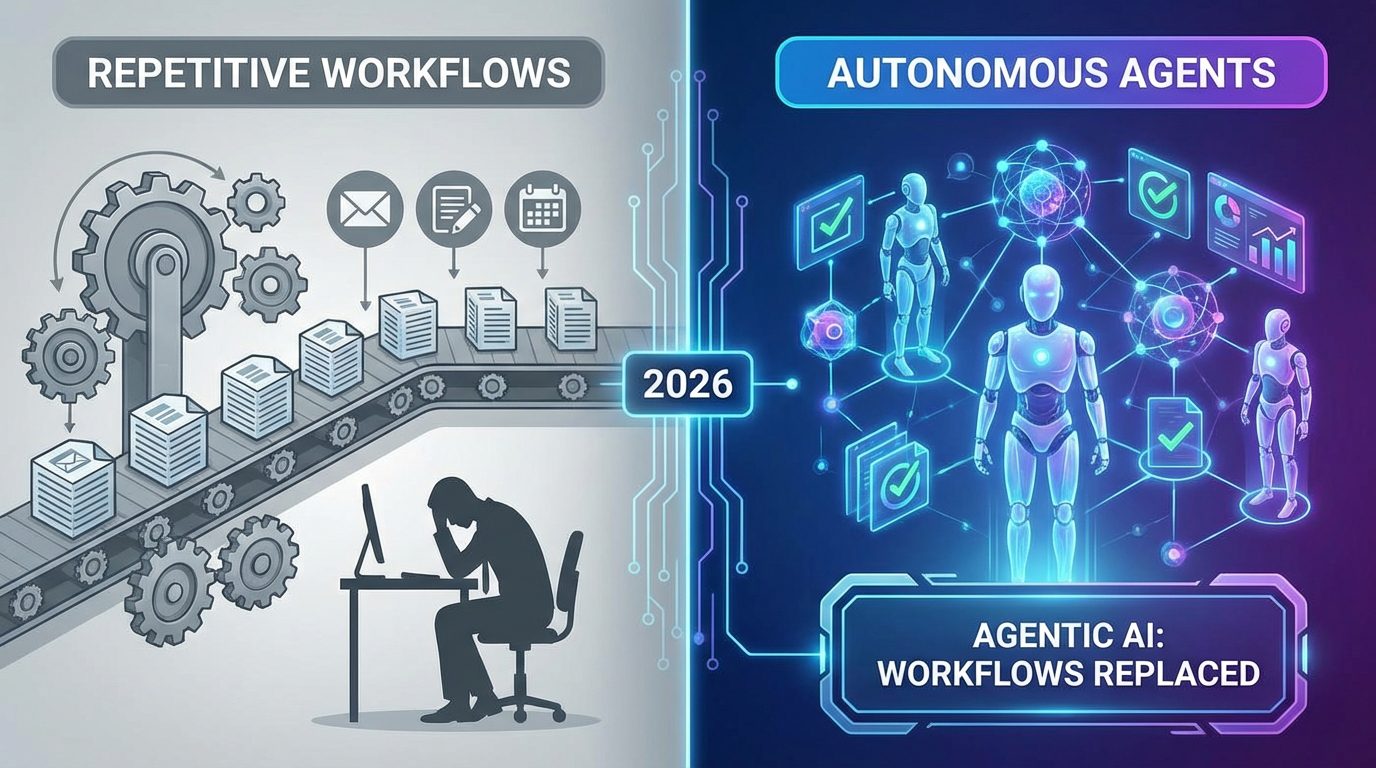
- Deploy updates
Developers become orchestrators of intelligent agents.
Code Generation and Refactoring Tools
Legacy code? No problem. AI can:
- Understand old systems
- Rewrite them cleanly
- Add missing documentation
It’s like renovating a house without tearing it down.
AI-Native Programming Languages: Are They Coming?
Natural Language as Code
Why shouldn’t English—or any human language—be executable? We’re already halfway there.
“Build an API with authentication and logging” is becoming a valid instruction.
Hybrid Human-AI Syntax
Future languages may blend:
- Structured code
- Natural language descriptions
- AI-interpreted intent
Less syntax. More meaning.
Examples and Early Experiments
Tools and DSLs already hint at this future, where code reads more like a conversation than a puzzle.
Impact on Software Architecture
Modular and Intent-Based Design
Systems are designed around what they do, not just how they’re implemented. AI fills in the gaps.
Self-Documenting Systems
AI-generated documentation stays updated automatically. No more outdated README files.
Adaptive and Learning Architectures
AI-native systems evolve. They learn from usage, optimize performance, and adapt to new requirements.
New Skills Developers Must Learn
Prompt Engineering as a Core Skill
Writing good prompts is the new clean code. Precision matters.
System Thinking Over Syntax
Understanding architecture, workflows, and user needs matters more than memorizing syntax.
AI Evaluation and Debugging
Developers must verify outputs, detect hallucinations, and ensure correctness. AI isn’t magic—it needs supervision.
Ethical and Security Challenges
Code Reliability and Hallucinations
AI can be confidently wrong. Human validation is non-negotiable.
Data Privacy and IP Risks
Feeding sensitive data into models requires strict controls and awareness.
Over-Reliance on AI
AI should assist, not replace thinking. The moment we stop questioning outputs, problems begin.
AI-Native Programming in Real-World Use Cases
Startups and Rapid MVPs
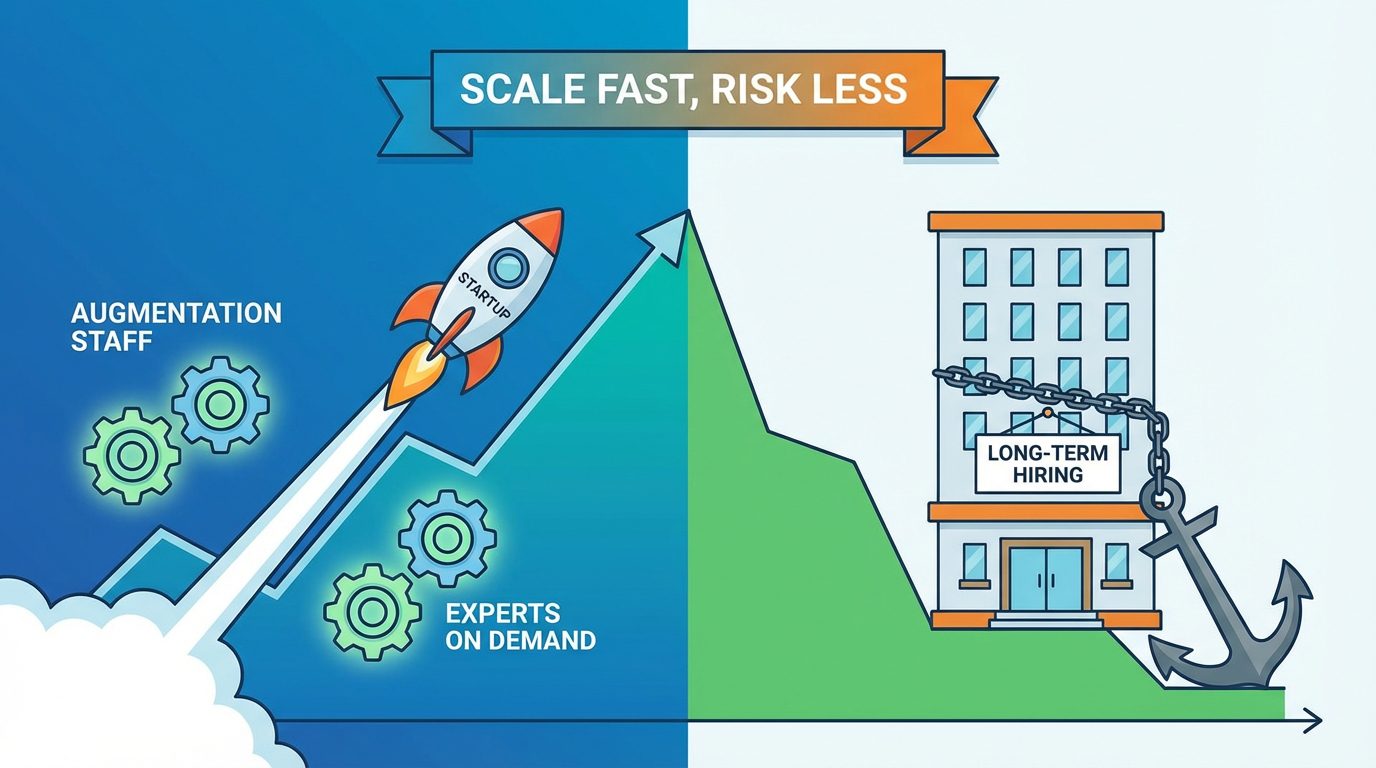
AI-native development lets startups test ideas fast and cheap.
Enterprise Software Modernization
Old systems get new life with AI-assisted refactoring and documentation.
Education and Learning to Code
Beginners learn concepts faster when AI explains mistakes in real time.
The Future of Developers in a Post-LLM World
Developers won’t disappear. They’ll evolve into:
- Problem solvers
- System designers
- AI supervisors
The keyboard stays. The mindset changes.
Is Traditional Coding Becoming Obsolete?
Not obsolete—augmented. Manual coding still matters, but it’s no longer the bottleneck.
How to Start Your AI-Native Programming Journey
- Use AI daily, not occasionally
- Learn to write better prompts
- Focus on architecture and logic
- Treat AI as a teammate, not a shortcut
Conclusion
AI-native programming isn’t about replacing developers. It’s about freeing them. In a post-LLM world, coding becomes more creative, more strategic, and surprisingly more human. Those who adapt won’t just survive—they’ll build the future faster than ever.