
What Is an AI-Powered SaaS?
An AI-powered SaaS is a cloud-based software application that uses artificial intelligence or machine learning to deliver smarter, adaptive, and automated experiences.
Instead of fixed logic, AI SaaS products learn from data. They improve over time, adapt to users, and make predictions or decisions automatically.
Think of it like this:
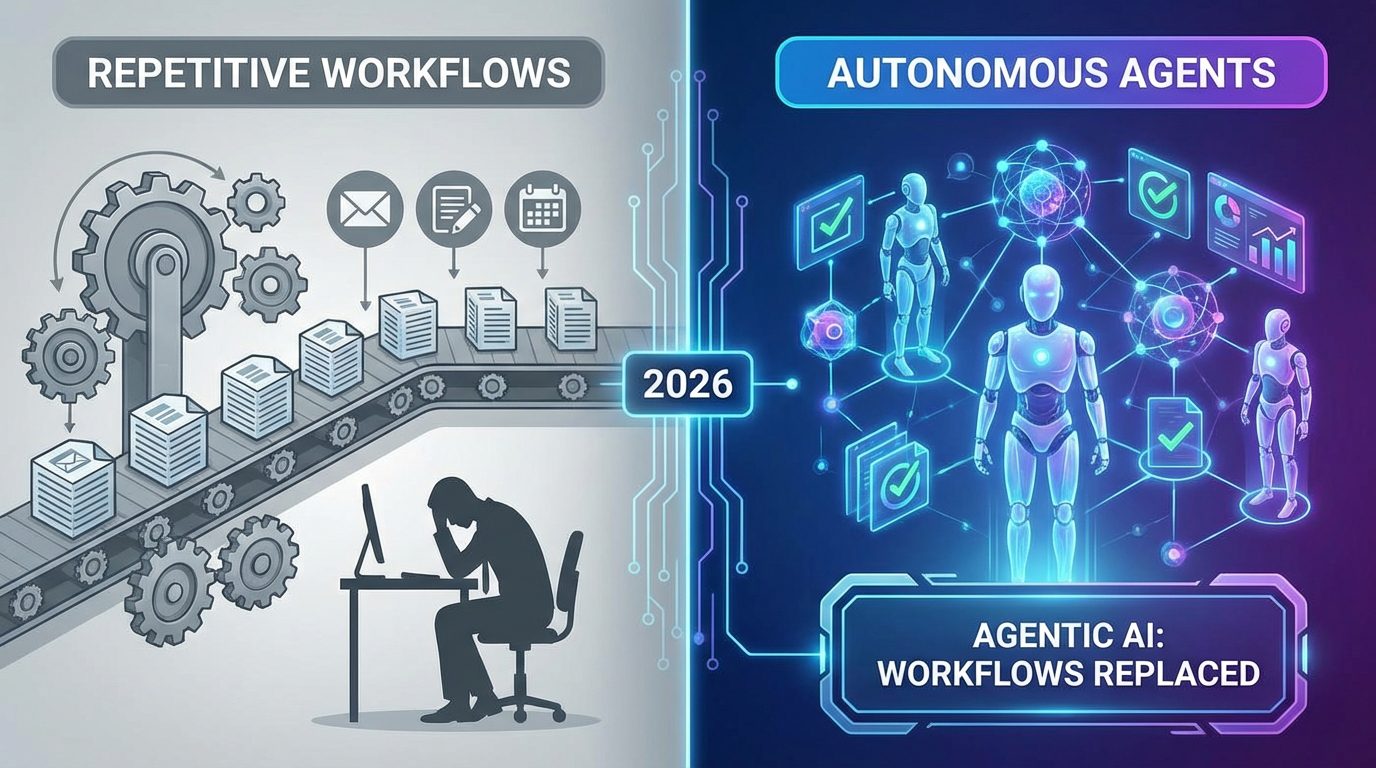
Traditional SaaS follows rules.
AI-powered SaaS writes better rules as it goes.
Why AI Is Transforming SaaS Products
AI has changed user expectations. People now expect software to be:
- Personalized
- Predictive
- Fast
- Intelligent
AI helps SaaS companies:
- Automate repetitive tasks
- Improve customer experience
- Reduce operational costs
- Unlock data-driven insights
- Create new revenue streams
In short, AI turns SaaS from a tool into a smart assistant.
Types of AI-Powered SaaS Applications
Examples of AI Use Cases
- AI chatbots and virtual assistants
- Recommendation engines
- Fraud detection systems
- Predictive analytics platforms
- Marketing automation tools
- AI-powered CRMs
- Content generation platforms
If your SaaS solves a problem involving decisions, patterns, or predictions—AI can help.
Core Components of AI-Powered SaaS Architecture
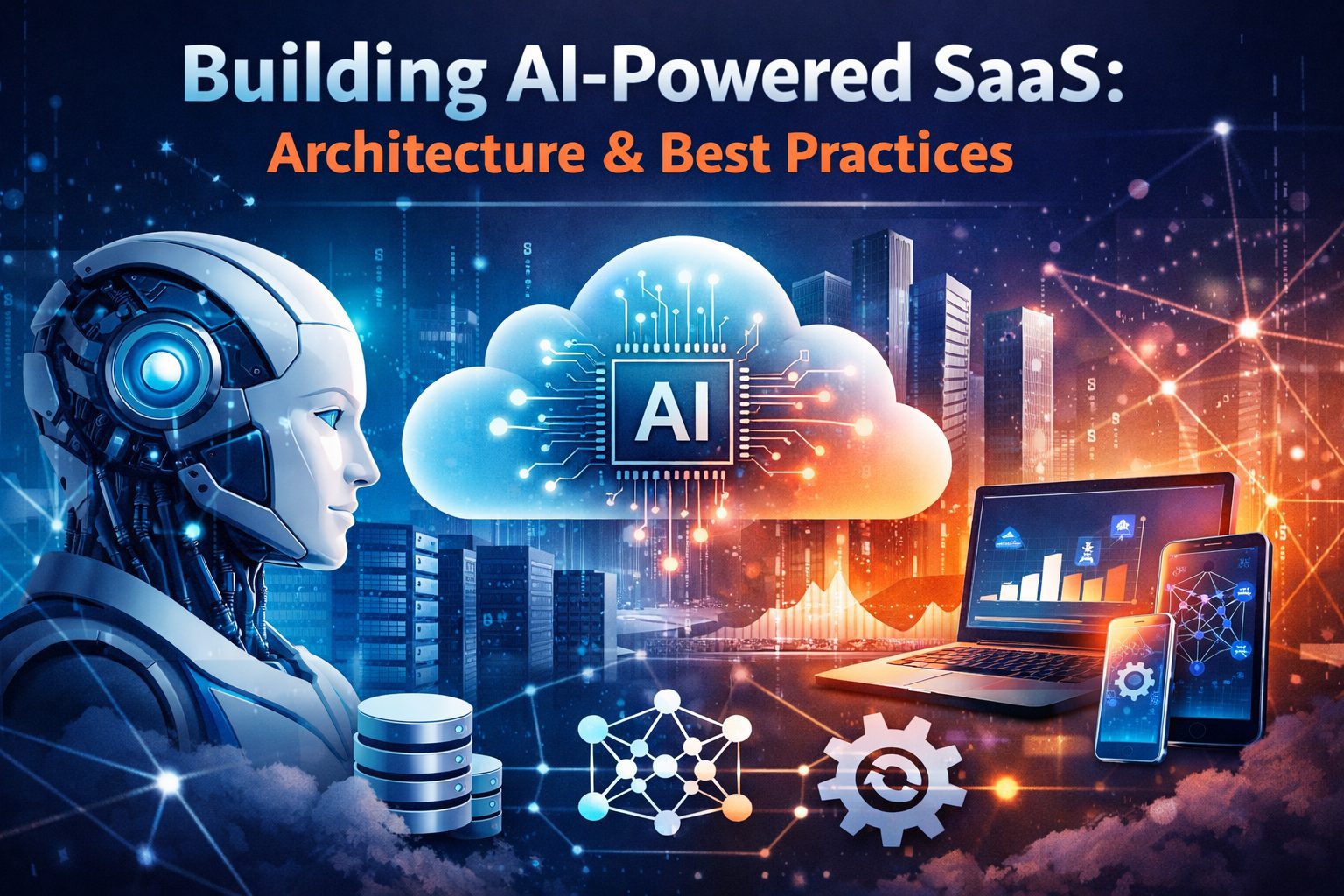
A solid AI SaaS architecture usually includes:
- Frontend (Web or Mobile App)
- Backend APIs
- Data pipelines
- AI/ML models
- Model serving layer
- Cloud infrastructure
- Monitoring and logging systems
Each part plays a role. Ignore one, and the whole system suffers.
Choosing the Right AI Model Strategy
Build vs Buy AI Models
You have two main options:
Build Your Own Models
- Full control
- Highly customizable
- Requires ML expertise
- Higher development time
Use Pre-trained or API-Based Models
- Faster to launch
- Lower upfront cost
- Limited customization
- Dependency on third parties
👉 Best practice?
Start with pre-trained models, then build custom ones as you scale.
Data as the Backbone of AI SaaS
AI is only as good as its data.
Data Collection and Preprocessing
You need:
- Clean data
- Relevant features
- Consistent formats
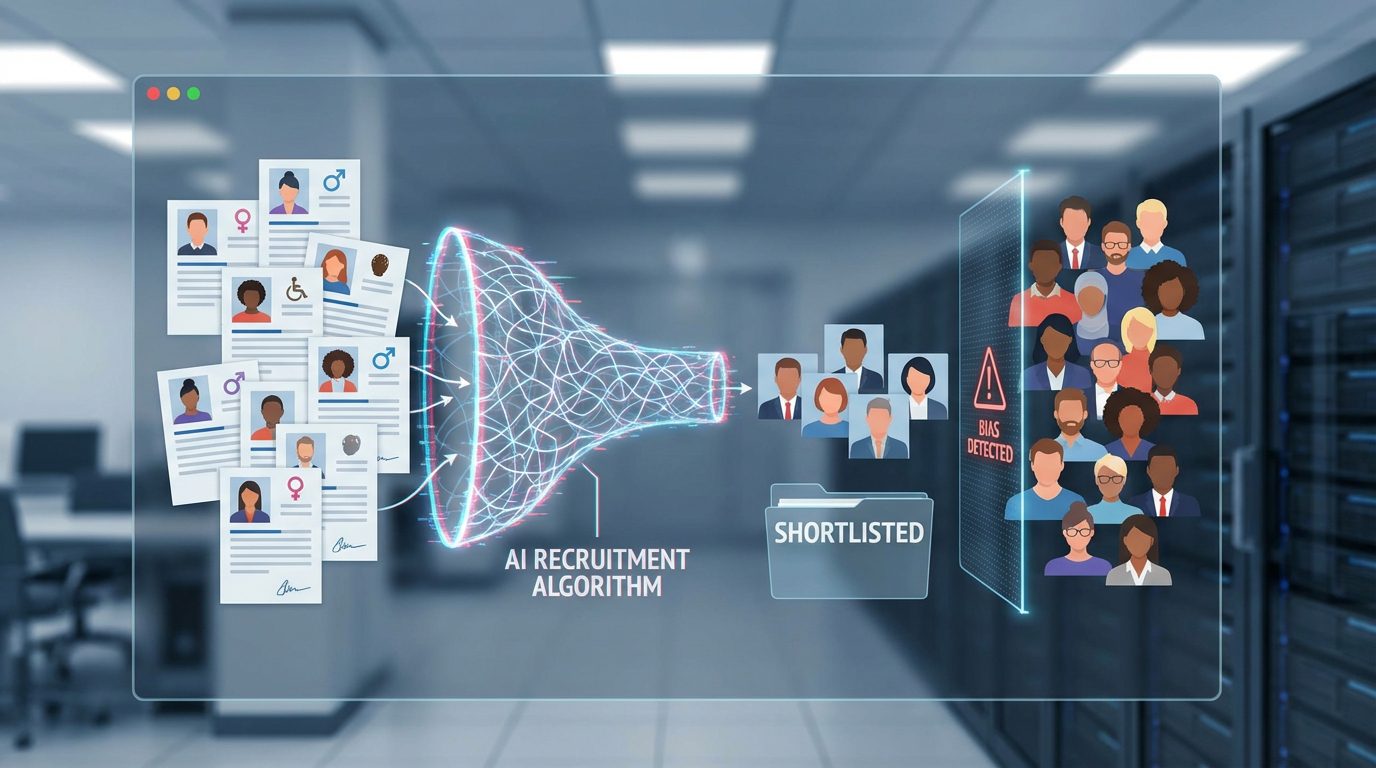
- Bias-free datasets
Bad data = bad predictions. Simple as that.
Automate data pipelines to:
- Collect user interactions
- Clean and normalize data
- Store it securely
- Feed it into models continuously
Designing Scalable System Architecture
Scalability is non-negotiable.
Cloud Infrastructure Choices
Most AI SaaS products rely on:
- AWS
- Google Cloud
- Azure
Use:
- Microservices architecture
- Containerization (Docker)
- Orchestration (Kubernetes)
This allows you to scale AI workloads independently from your core app.
Model Deployment and Serving Layer
Real-Time vs Batch Inference
Real-Time Inference
- Instant predictions
- Used for chatbots, recommendations
- Higher infrastructure cost
Batch Inference
- Scheduled predictions
- Used for analytics and reports
- More cost-efficient
Choose based on your use case—not hype.
MLOps: Managing AI in Production
MLOps is DevOps for machine learning.
Tools for MLOps
- MLflow
- Kubeflow
- Airflow
- DVC
MLOps helps with:
- Version control
- Model deployment
- Rollbacks
- Experiment tracking
Without MLOps, AI systems become messy fast.
Security and Privacy in AI SaaS
AI systems handle sensitive data—so security matters.
Compliance and Regulations
Follow:
- GDPR
- HIPAA
- SOC 2
- ISO standards
Encrypt data at rest and in transit.
Limit access using role-based permissions.
Audit everything.
Trust is currency in SaaS.
Performance Optimization and Cost Control
AI can be expensive if unmanaged.
Scaling AI with User Growth
Optimize by:
- Using smaller models where possible
- Auto-scaling inference servers
- Caching predictions
- Monitoring GPU/CPU usage
Smart optimization = higher margins.
UX Design for AI-Powered Features
AI should feel helpful, not confusing.
Design principles:
- Explain AI outputs clearly
- Show confidence levels when needed
- Allow user feedback
- Avoid “black box” experiences
Great AI UX builds trust and adoption.
Monitoring, Logging, and Continuous Improvement
Key Metrics to Track AI Performance
- Accuracy
- Latency
- Drift detection
- User satisfaction
- Error rates
AI models degrade over time. Monitoring keeps them sharp.
Ethical AI and Responsible Development
Ethical AI isn’t optional anymore.
Focus on:
- Bias reduction
- Transparency
- Explainability
- Fair decision-making
Responsible AI protects users—and your brand.
Common Challenges in AI SaaS Development
Let’s be honest. It’s not easy.
Common issues:
- Data quality problems
- High infrastructure costs
- Model drift
- Skill gaps
- Security risks
The good news? Every challenge has a solution if planned early.
Best Practices for Building AI-Powered SaaS
Here’s a quick checklist:
- Start simple, then scale
- Focus on real user problems
- Invest in data quality
- Use MLOps from day one
- Monitor models continuously
- Design transparent UX
- Prioritize security and ethics
AI success is not magic—it’s discipline.
Conclusion
Building an AI-powered SaaS is like constructing a smart city. You need strong foundations, reliable infrastructure, intelligent systems, and constant monitoring.
When done right, AI transforms your SaaS into a living product—one that learns, adapts, and delivers real value at scale.
The future of SaaS is intelligent. The question is: are you building for it today?