

Introduction to Claude Code and Agentic AI
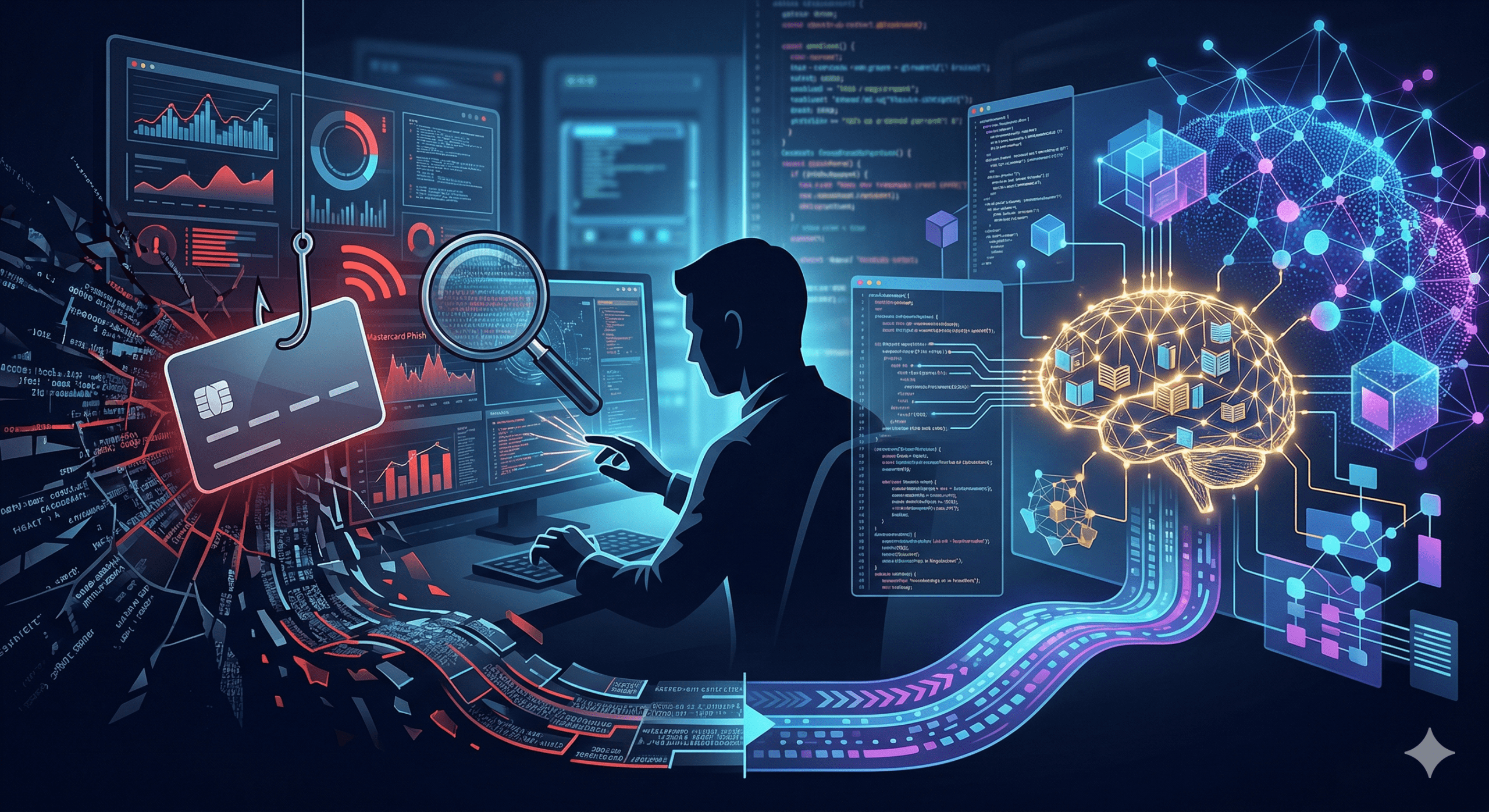
Software development is changing fast—like, really fast. If you blink, you might miss the jump from basic autocomplete tools to AI systems that can actually plan, reason, and act like a developer. That’s where Claude Code steps in. Built on the idea of agentic AI, Claude Code doesn’t just help you write code; it works with you, almost like a teammate who never gets tired.
So what makes Claude Code different? And why are developers calling agentic AI the next big leap after copilots? Let’s break it all down in simple, human terms.
What Is Claude Code?
Overview of Claude by Anthropic
Claude is an AI model developed by Anthropic, a company known for focusing on safety, alignment, and responsible AI. Unlike many AI tools that prioritize speed alone, Claude is designed to be thoughtful, context-aware, and reliable.
Claude Code is essentially Claude tailored for software development tasks—from reading massive codebases to executing multi-step programming workflows.
How Claude Code Fits Into the AI Ecosystem
Think of the AI ecosystem like a toolbox. Some tools are hammers (great at one thing), others are screwdrivers. Claude Code? It’s more like a Swiss Army knife. It doesn’t just suggest lines of code; it understands intent, project structure, and long-term goals.
Understanding Agentic AI
What Does “Agentic” Mean in AI?
“Agentic” comes from the word agent. An agentic AI doesn’t just respond—it acts. It can:
- Plan tasks
- Make decisions
- Execute steps
- Review results
- Adjust its approach
In short, it behaves less like a chatbot and more like a problem-solver.
Difference Between Traditional AI and Agentic AI
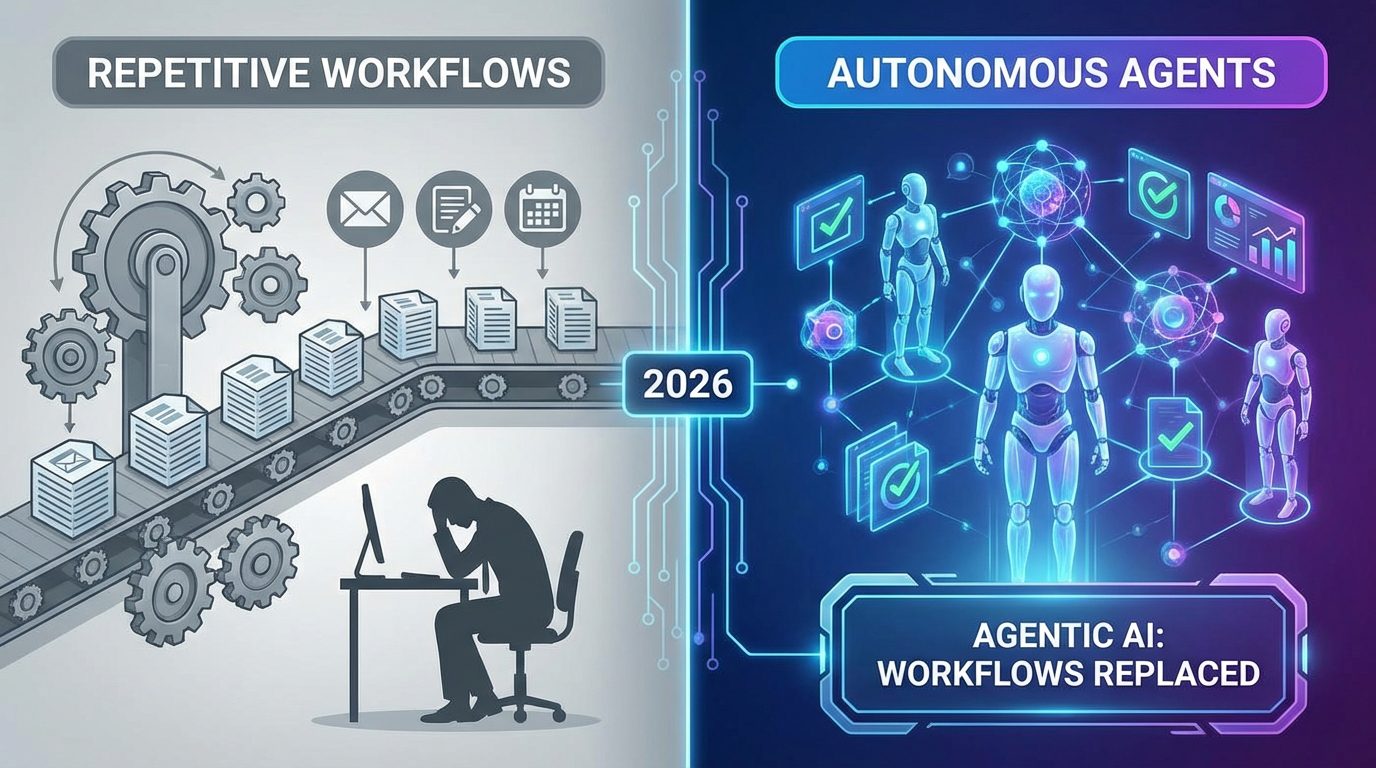
Traditional AI is reactive. You ask, it answers.
Agentic AI is proactive. You give it a goal, and it figures out how to get there.
It’s the difference between asking for directions and hiring a guide who walks with you.
Key Characteristics of Agentic Systems
- Goal-oriented behavior
- Memory and context awareness
- Multi-step reasoning
- Tool usage (IDEs, repos, APIs)
- Self-correction and iteration
Claude Code checks all these boxes.
Why Claude Code Matters for Developers
Let’s be real—developers don’t struggle because they can’t write syntax. They struggle with:
- Understanding legacy code
- Debugging complex issues
- Managing time
- Switching contexts constantly
Claude Code tackles these pain points head-on by acting like an intelligent collaborator, not just a code generator.
Core Features of Claude Code
Context-Aware Code Understanding
Claude Code can read entire repositories and understand how files connect. That means fewer explanations from you and fewer wrong assumptions from the AI.
Multi-Step Task Execution
Need to:
- Analyze a bug
- Locate the faulty module
- Fix the issue
- Update tests
Claude Code can do all that in one logical flow. No babysitting required.
Autonomous Debugging and Refactoring
Claude Code doesn’t just point out problems—it fixes them. Refactoring messy functions? Cleaning up duplicated logic? It handles it like a pro.
Secure and Responsible AI Design
Anthropic emphasizes safety, meaning Claude Code is built to reduce harmful outputs, insecure patterns, and risky suggestions.
Claude Code vs Traditional Coding Assistants
Claude Code vs GitHub Copilot
GitHub Copilot is great at inline suggestions. Claude Code goes further by understanding intent and architecture.
Copilot: “Here’s a line of code.”
Claude Code: “Here’s why this approach works—and how to improve it.”
Claude Code vs ChatGPT for Developers
ChatGPT is versatile, but Claude Code shines when handling long contexts and complex reasoning across files and systems.
How Agentic AI Is Changing Software Development
From Code Suggestions to Code Ownership
Agentic AI can take ownership of tasks. That’s huge. Instead of micromanaging prompts, developers focus on outcomes.
AI as a Junior Developer
Claude Code can:
- Implement features
- Write boilerplate
- Add tests
- Fix simple bugs
Just like a junior dev—minus the onboarding time.
AI as a Senior Reviewer
It also reviews code, flags edge cases, and suggests better patterns. That’s like having a senior engineer on demand.
Real-World Use Cases of Claude Code
Web Development
From React components to backend routes, Claude Code handles full-stack workflows smoothly.
Backend and API Development
It can design REST APIs, fix performance issues, and even document endpoints automatically.
Data Engineering and Automation
ETL pipelines, scripts, and data validation tasks become faster and cleaner.
DevOps and CI/CD Pipelines
Claude Code can help write YAML configs, debug failed builds, and optimize deployment flows.
Impact on Developer Productivity
Faster Development Cycles
What used to take days now takes hours. Sometimes minutes.
Reduced Cognitive Load
Less mental juggling. More focus on solving real problems.
Improved Code Quality
Cleaner structure, better documentation, fewer bugs.
How Claude Code Handles Large Codebases
Long Context Windows
Claude is known for handling huge amounts of text at once. That’s a game-changer for enterprise projects.
Repository-Level Reasoning
It understands how modules interact, not just isolated files.
Security, Privacy, and Ethical Considerations
Safer AI Architecture
Claude is trained with safety-first principles, reducing risky outputs.
Data Privacy and Compliance
Anthropic emphasizes responsible data handling, making Claude Code suitable for professional environments.
Challenges and Limitations of Claude Code
Learning Curve
Developers need to learn how to delegate tasks effectively.
Over-Reliance on AI
AI is powerful—but it’s still a tool, not a replacement for human judgment.
Edge Cases and Hallucinations
Like all AI, Claude Code isn’t perfect. Review is still essential.
The Future of Agentic AI in Software Development
AI-Native Development Teams
Soon, teams may include human devs and AI agents working side by side.
From IDEs to Autonomous Dev Agents
We’re moving from “assistants” to autonomous software agents. Claude Code is an early glimpse of that future.
How Developers Can Get Started with Claude Code
Start small:
- Use it for code reviews
- Try refactoring tasks
- Let it handle repetitive work
As trust grows, expand its role.
Conclusion
Claude Code isn’t just another AI coding tool—it’s a shift in how software gets built. By embracing agentic AI, developers move from writing every line themselves to orchestrating intelligent systems that do the heavy lifting. The future of development isn’t about replacing humans; it’s about amplifying human potential. And Claude Code is leading that charge.