
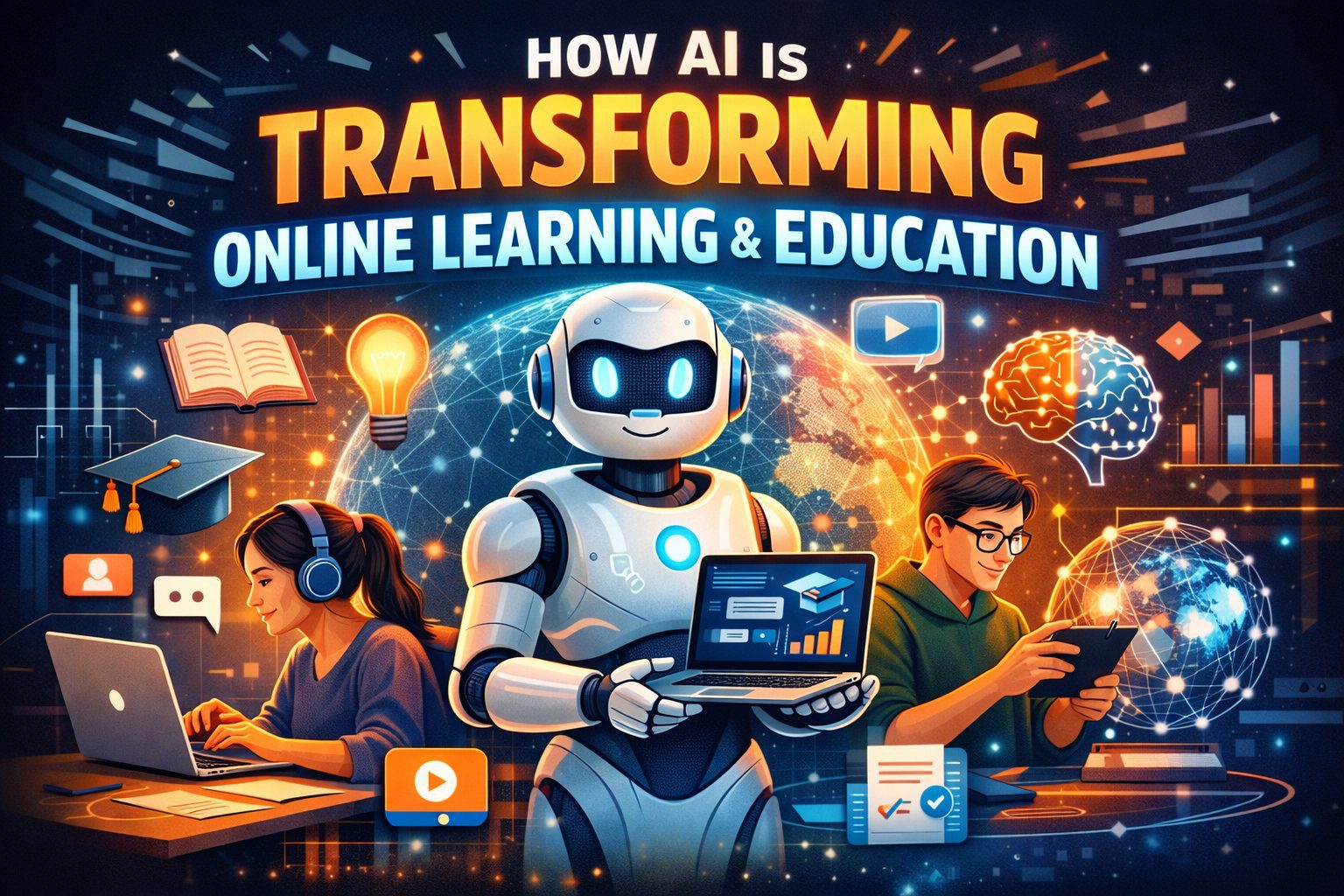
Artificial Intelligence (AI) is no longer a futuristic buzzword in education — it’s already reshaping how people learn, teach, and grow online. From personalized courses to smart tutoring systems, AI in online learning is making education faster, smarter, and more accessible than ever.
Let’s break down how this transformation is happening and why it matters.
The Rise of AI in Online Education
Online education has exploded in recent years, and AI is the engine powering its next evolution. Traditional one-size-fits-all learning is fading fast. Today’s learners expect personalized, flexible, and engaging experiences — and AI delivers exactly that.
AI-driven education platforms analyze behavior, performance, and preferences to improve learning outcomes in real time.
Personalized Learning Experiences Powered by AI
Learning That Adapts to Every Student
AI enables personalized learning paths by adjusting content based on a student’s pace, strengths, and weaknesses. Instead of forcing learners to follow the same structure, AI tailors lessons to individual needs.
Benefits include:
- Customized course recommendations
- Adaptive quizzes and assignments
- Faster mastery of complex topics
This makes online learning more effective and less frustrating.
AI Tutors and Virtual Teaching Assistants
24/7 Support Without Burnout
AI-powered tutors and chatbots act as always-available teaching assistants. They answer questions instantly, explain difficult concepts, and provide feedback — anytime, anywhere.
Key advantages:
- Instant doubt resolution
- Scalable student support
- Reduced workload for human instructors
This keeps learners engaged while allowing teachers to focus on higher-value tasks.
Smarter Content Creation and Course Design
AI Helps Educators Teach Better
AI tools assist educators by:
- Generating quizzes and practice tests
- Creating summaries and learning materials
- Analyzing course performance data
This results in better-designed courses that align with real learner needs, not assumptions.
Improved Assessment and Feedback Systems
Beyond Traditional Exams
AI is changing how student performance is measured. Instead of relying only on exams, AI evaluates:
- Learning patterns
- Engagement levels
- Skill progression over time
This leads to fairer, data-driven assessments and actionable feedback that actually helps learners improve.
AI Makes Education More Accessible
Breaking Barriers Globally
AI-powered education tools improve accessibility by offering:
- Real-time language translation
- Speech-to-text and text-to-speech features
- Personalized support for learners with disabilities
This ensures online education reaches global and diverse audiences, regardless of location or ability.
Data-Driven Insights for Better Learning Outcomes
Learning Analytics That Matter
AI analyzes massive amounts of educational data to uncover insights like:
- Where students struggle most
- Which content performs best
- When learners are likely to drop off
Platforms can then optimize courses, boost retention, and improve completion rates.
Challenges of AI in Online Learning
What to Watch Out For
Despite its benefits, AI in education comes with challenges:
- Data privacy concerns
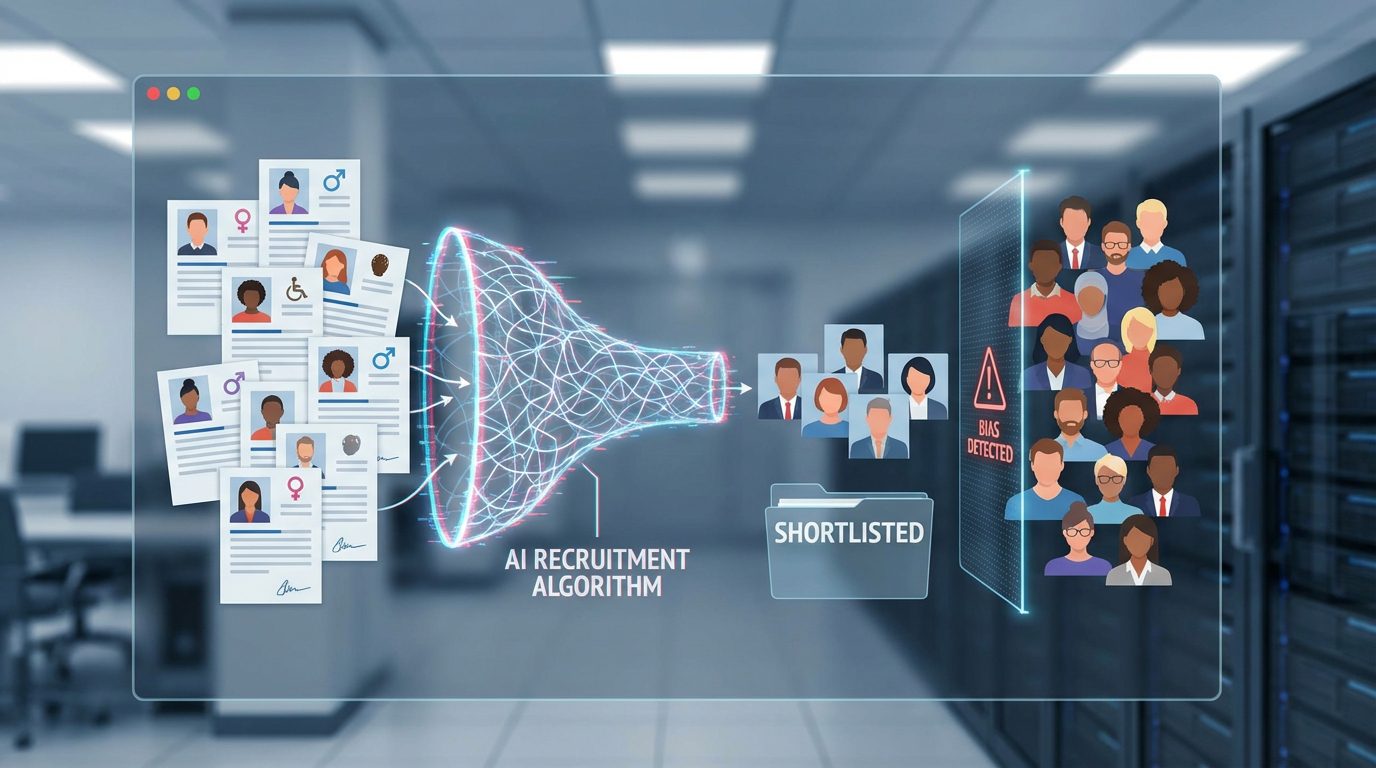
- Bias in algorithms
- Over-reliance on automation
Responsible implementation and human oversight are essential to ensure ethical and effective use.
The Future of AI in Education
Smarter, Faster, More Human-Centered Learning
The future of online education lies in AI-human collaboration. AI will handle personalization, analysis, and automation — while educators focus on creativity, mentorship, and critical thinking.
Expect:
- Hyper-personalized learning ecosystems
- Immersive AI-driven classrooms
- Lifelong learning powered by intelligent systems
Final Thoughts
AI is not replacing education — it’s reinventing it. By making learning personalized, accessible, and data-driven, AI is transforming online education into a smarter and more engaging experience for everyone.
If used responsibly, AI-powered learning has the potential to democratize education and unlock human potential at a global scale.