
Introduction to Ransomware Threats
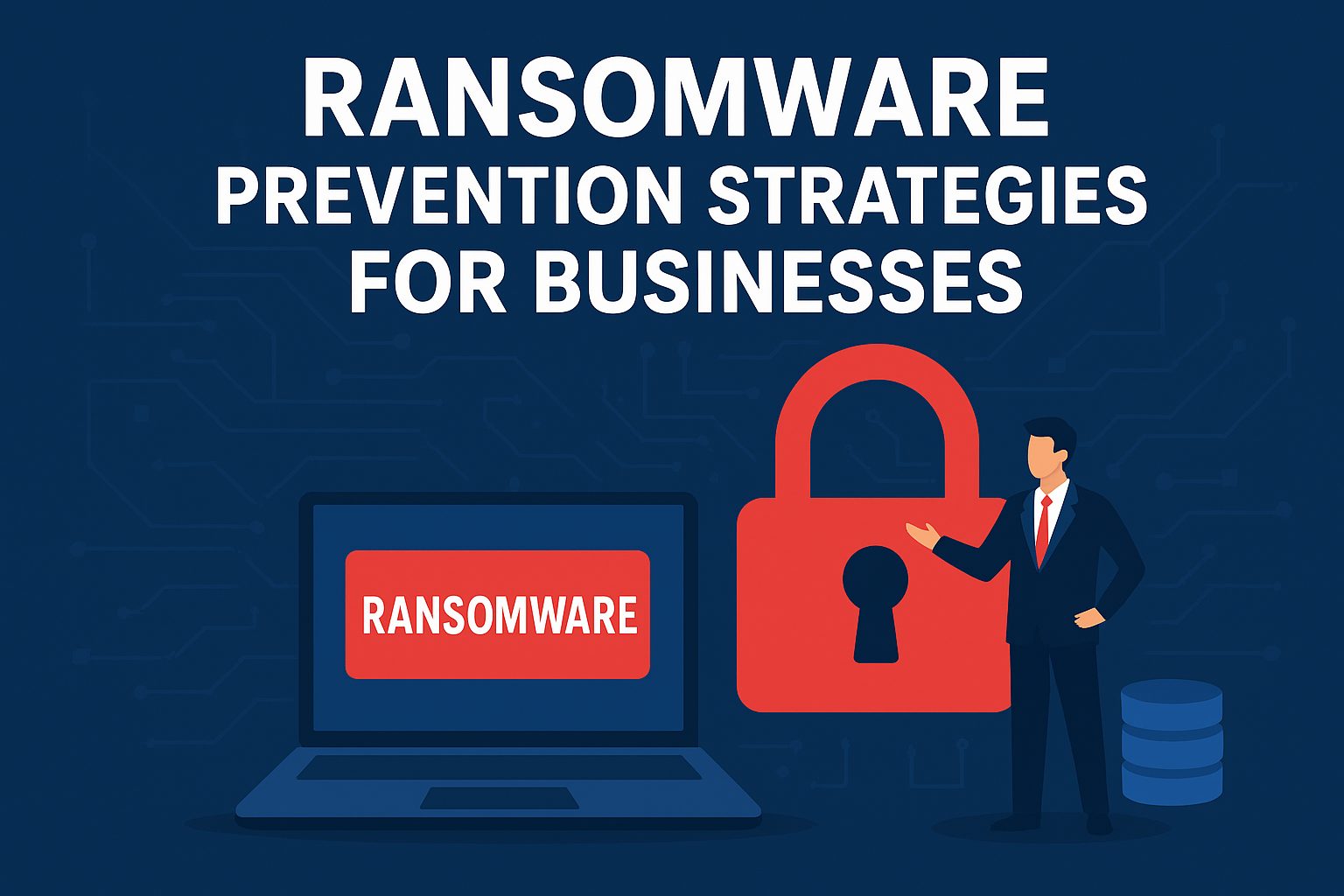
Ransomware isn’t some far-off hacker movie concept anymore. It’s real, it’s aggressive, and it’s hitting businesses of all sizes—every single day. Whether you’re running a startup, a mid-sized company, or a large enterprise, ransomware doesn’t discriminate. If your data has value, attackers want it.
What Is Ransomware?
Ransomware is a type of malicious software that locks or encrypts your files and demands payment—usually in cryptocurrency—to restore access. Think of it like a digital kidnapping. Your data is the hostage, and the ransom clock starts ticking the moment you’re locked out.
Why Businesses Are Prime Targets
Businesses store sensitive data, customer information, financial records, and intellectual property. That makes them gold mines for cybercriminals. Plus, companies are more likely to pay to resume operations quickly. Attackers know this—and they exploit it.
The Real Impact of Ransomware on Businesses
Ransomware attacks hurt way more than just your IT systems. The damage spreads across the entire organization.
Financial Losses and Downtime
Downtime equals money lost. When systems are down, employees can’t work, sales stop, and customers get frustrated. Add ransom payments, recovery costs, and security upgrades, and suddenly the bill skyrockets.
Reputation and Customer Trust Damage
Customers trust you with their data. A ransomware attack can shatter that trust overnight. Once your reputation takes a hit, rebuilding it can take years.
Legal and Compliance Consequences
Data breaches can trigger fines, lawsuits, and compliance violations—especially if you’re dealing with regulations like GDPR, HIPAA, or PCI-DSS.
Understanding How Ransomware Attacks Work
To stop ransomware, you first need to understand how it sneaks in.
Common Attack Vectors
Attackers don’t break in through the front door. They slip in through cracks you didn’t even know existed.
Phishing Emails
One fake email. One careless click. That’s all it takes. Phishing remains the #1 delivery method for ransomware.
Malicious Downloads
Free software, fake updates, or infected attachments can quietly install ransomware in the background.
Remote Desktop Exploits
Weak or exposed Remote Desktop Protocol (RDP) connections are a favorite target for attackers.
Building a Strong Ransomware Prevention Strategy
Prevention isn’t about one tool—it’s about layers.
Risk Assessment and Security Planning
Start by identifying your most critical assets and weakest points. A proper risk assessment helps you prioritize what needs protection the most.
Employee Awareness and Training
Your employees are your first firewall. Train them to recognize suspicious emails, links, and attachments. Awareness reduces risk—big time.
Importance of Regular Data Backups
Backups are your safety net. Without them, you’re gambling with your data.
Types of Backups
On-site vs Off-site Backups
On-site backups are fast but risky. Off-site and cloud backups protect your data even if your office systems are compromised.
Cloud Backup Best Practices
Use encrypted backups, limit access, and test restores regularly. A backup that doesn’t restore is useless.
Keeping Systems and Software Updated
Outdated software is like leaving your door unlocked.
Patch Management
Security patches fix known vulnerabilities. Delaying updates gives attackers an open invitation.
Automating Updates
Automation ensures updates happen consistently—without relying on human memory.
Using Strong Access Controls
Not everyone needs access to everything.
Password Management Policies
Strong, unique passwords reduce the risk of unauthorized access. Password managers help enforce this without driving employees crazy.
Multi-Factor Authentication (MFA)
MFA adds an extra lock to the door. Even if a password is stolen, attackers can’t get in easily.
Network Security Measures
Your network should be smart, segmented, and monitored.
Firewalls and Network Segmentation
Segmenting your network limits how far ransomware can spread. Think of it as fire doors inside a building.
Intrusion Detection and Prevention Systems
These systems spot suspicious behavior early—before damage is done.
Email Security as the First Line of Defense
Most ransomware starts in the inbox.
Spam Filters and Email Gateways
Advanced email filtering blocks malicious emails before employees ever see them.
Identifying Phishing Attempts
Teach staff to question urgency, strange links, and unexpected attachments.
Endpoint Protection and Antivirus Solutions
Traditional antivirus isn’t enough anymore.
Behavior-Based Detection
Modern tools detect suspicious behavior—not just known malware signatures.
EDR and XDR Solutions
Endpoint Detection and Response (EDR) and Extended Detection and Response (XDR) provide real-time visibility and fast response.
Zero Trust Security Model
Trust no one. Verify everything.
What Is Zero Trust?
Zero Trust assumes every request could be malicious—inside or outside the network.
Why Zero Trust Helps Prevent Ransomware
By limiting access and continuously verifying users, ransomware struggles to move laterally.
Incident Response Planning
Hope is not a strategy.
Creating an Incident Response Plan
A clear plan reduces panic and speeds up recovery.
Roles and Responsibilities
Everyone should know exactly what to do during an attack.
Communication Strategy
Clear communication prevents confusion, rumors, and mistakes.
What to Do If Ransomware Strikes
Even with prevention, attacks can happen.
Immediate Actions to Take
Isolate infected systems, notify your IT team, and activate your incident response plan.
Should You Pay the Ransom?
Paying doesn’t guarantee recovery—and it fuels cybercrime. Most experts recommend against it.
Managed Security Services for Businesses
You don’t have to fight alone.
Benefits of MSSPs
Managed Security Service Providers offer 24/7 monitoring, expertise, and faster response times.
When to Outsource Cybersecurity
If you lack in-house expertise or resources, outsourcing is often smarter—and cheaper.
Future Trends in Ransomware Defense
Cybersecurity never stands still.
AI and Machine Learning in Cybersecurity
AI detects threats faster and adapts to new attack patterns.
Predictive Threat Intelligence
Proactive defense helps stop attacks before they start.
Best Practices Checklist for Businesses
Daily, Weekly, and Monthly Security Habits
- Daily system monitoring
- Weekly backups testing
- Monthly security audits
Consistency is key.
Conclusion
Ransomware isn’t going away—but that doesn’t mean your business has to be a victim. With layered security, educated employees, reliable backups, and a solid response plan, you can stay one step ahead. Think of ransomware prevention like insurance: you hope you never need it, but you’ll be grateful it’s there when you do.