
Introduction to AI Regulation and Innovation
Artificial Intelligence is no longer a futuristic idea—it’s already shaping how we work, shop, learn, and communicate. But as AI grows smarter and more powerful, one big question keeps popping up: Who’s keeping it in check? This is where AI regulation steps in. Far from killing creativity, smart regulations may actually be the secret sauce that fuels long-term innovation.
What Is AI Regulation?
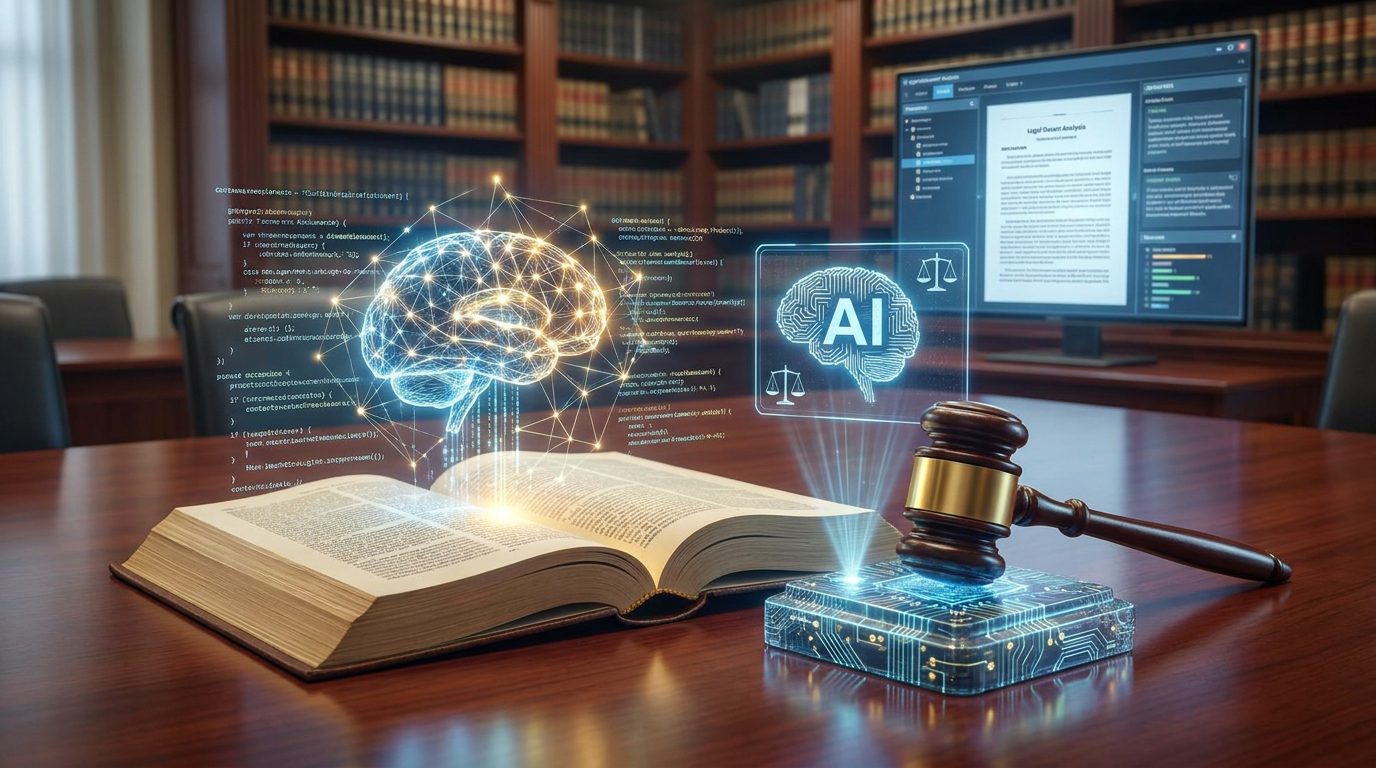
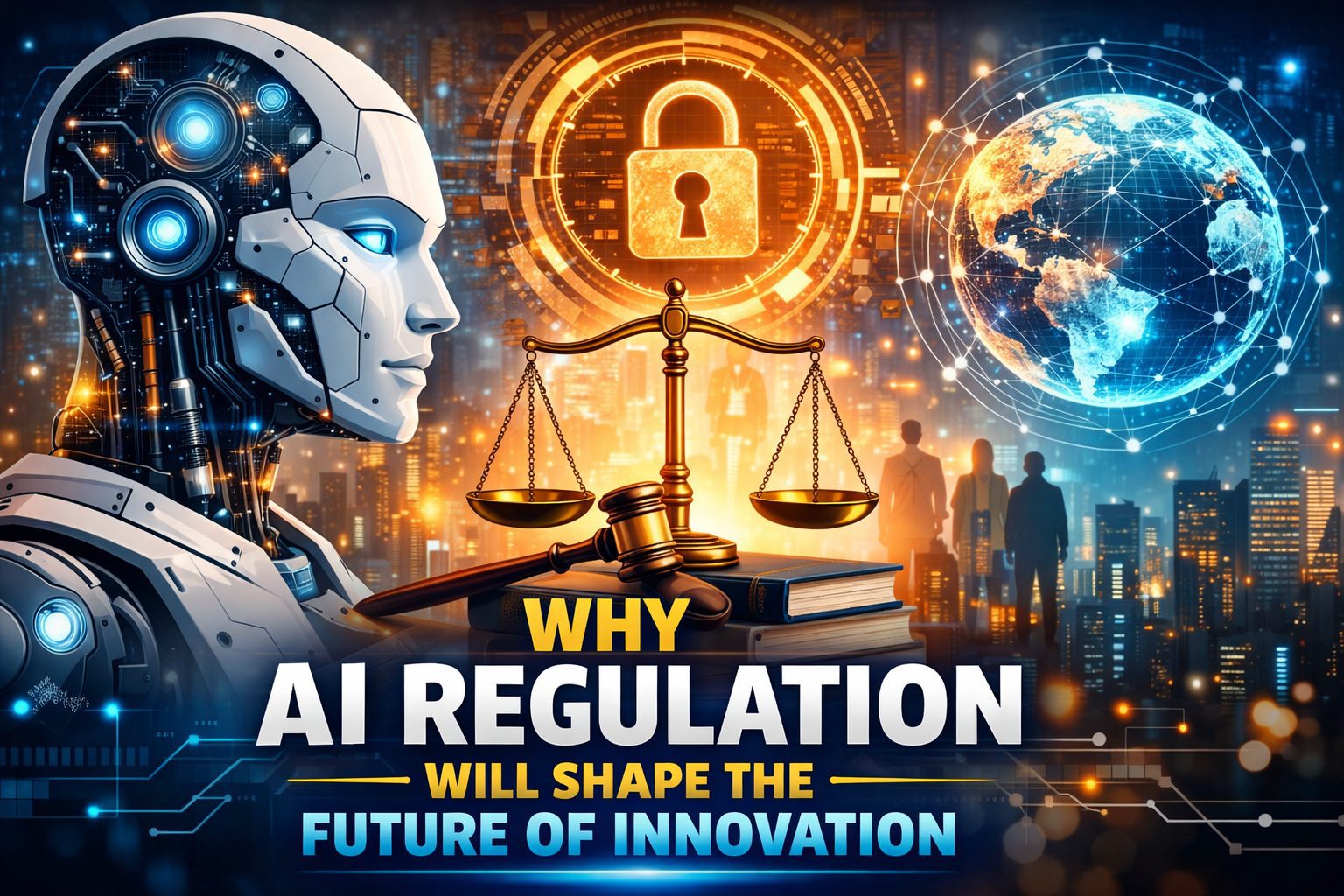
AI regulation refers to the rules, laws, and guidelines created by governments and organizations to control how artificial intelligence is developed and used. These rules focus on safety, fairness, privacy, and accountability. Think of AI regulation like traffic signals—without them, things move fast but crashes are inevitable.
Why Innovation Needs Rules
Innovation without boundaries can be risky. History shows us that when technology evolves faster than ethics, problems follow. Rules don’t stop innovation; they guide it. When innovators know the limits, they build smarter, safer, and more reliable solutions.
The Rapid Growth of Artificial Intelligence
AI is growing at lightning speed. From simple chatbots to self-driving cars, AI systems are becoming deeply embedded in everyday life.
AI’s Role in Modern Industries
AI is everywhere, quietly working behind the scenes.
Healthcare, Finance, and Education
In healthcare, AI helps doctors detect diseases early. It spots fraud within seconds, in finance. In education, it personalizes learning experiences. These breakthroughs save time, money, and even lives.
Marketing, E-commerce, and Automation
In marketing and e-commerce, AI predicts customer behavior, automates ads, and boosts sales. Automation powered by AI is transforming factories and offices alike.
Why Governments Are Focusing on AI Regulation
With great power comes great responsibility—and governments know it.
Ethical Concerns in AI
AI can make decisions that affect human lives. Without ethical rules, machines may reinforce harmful stereotypes or make unfair decisions.
Data Privacy and Security Issues
AI relies heavily on data. Personal data. Regulations ensure companies don’t misuse or exploit user information.
Bias, Fairness, and Transparency
If AI learns from biased data, it produces biased results. Regulations push developers to create transparent and fair systems that treat everyone equally.
How AI Regulation Impacts Innovation
Many people think regulation slows innovation. In reality, it often does the opposite.
Regulation as a Catalyst, Not a Barrier
Clear rules reduce uncertainty. Businesses feel safer investing in AI when they know the legal boundaries. This confidence drives innovation forward.
Encouraging Responsible Innovation
Responsible innovation focuses on long-term impact, not short-term gains. Regulations encourage developers to think about consequences before deployment.
The Balance Between Control and Creativity
The real challenge is finding the sweet spot between freedom and control.
Over-Regulation vs Smart Regulation
Too many rules can suffocate creativity. Too few can cause chaos. Smart regulation adapts as technology evolves.
Real-World Examples
Countries that introduced flexible AI policies are seeing faster innovation compared to those with rigid frameworks.
Global Approaches to AI Regulation
AI regulation isn’t one-size-fits-all. Different regions have different strategies.
AI Regulation in the European Union
The EU focuses heavily on ethics, privacy, and human rights. Its AI Act aims to classify AI systems based on risk.
AI Policies in the United States
The U.S. takes a more innovation-first approach, relying on guidelines rather than strict laws.
Emerging Markets and Developing Countries
Developing countries are adopting AI policies to attract investment while protecting citizens.
The Role of Businesses and Startups
Regulation affects not just governments, but companies too.
Compliance as a Competitive Advantage
Businesses that follow AI regulations build stronger reputations. Customers prefer brands they trust.
Building Trust Through Ethical AI
Ethical AI isn’t just good morals—it’s good business. Trust leads to loyalty.
AI Regulation and Consumer Trust
Users want to feel safe using AI-powered tools.
Why Users Care About AI Rules
People worry about privacy, surveillance, and misuse. Regulations reassure them.
Transparency Builds Confidence
When companies explain how AI works, users feel more in control.
The Future of Innovation Under AI Laws
So what does the future look like?
Safer AI, Smarter Products
Regulated AI is more reliable, secure, and user-friendly.
Long-Term Innovation Benefits
Innovation that respects rules lasts longer and scales better.
Challenges in Implementing AI Regulation
It’s not all smooth sailing.
Keeping Up With Fast-Changing Technology
Technology evolves faster than laws. Regulators must stay flexible.
Global Consistency Issues
Different rules across countries can confuse businesses operating globally.
How AI Regulation Will Shape Jobs and Skills
AI is changing the job market too.
New Career Opportunities
AI ethics officers, compliance experts, and data auditors are in demand.
Upskilling for the AI Era
Workers need new skills to thrive alongside AI.
Conclusion: Regulation as the Foundation of Sustainable Innovation
AI regulation is not the enemy of innovation—it’s its backbone. By setting clear rules, governments and organizations create a safe playground where creativity can flourish. The future of innovation depends not on unlimited freedom, but on responsible progress. When AI is guided wisely, everyone wins.