
What Is AI Personalization in E-Commerce?
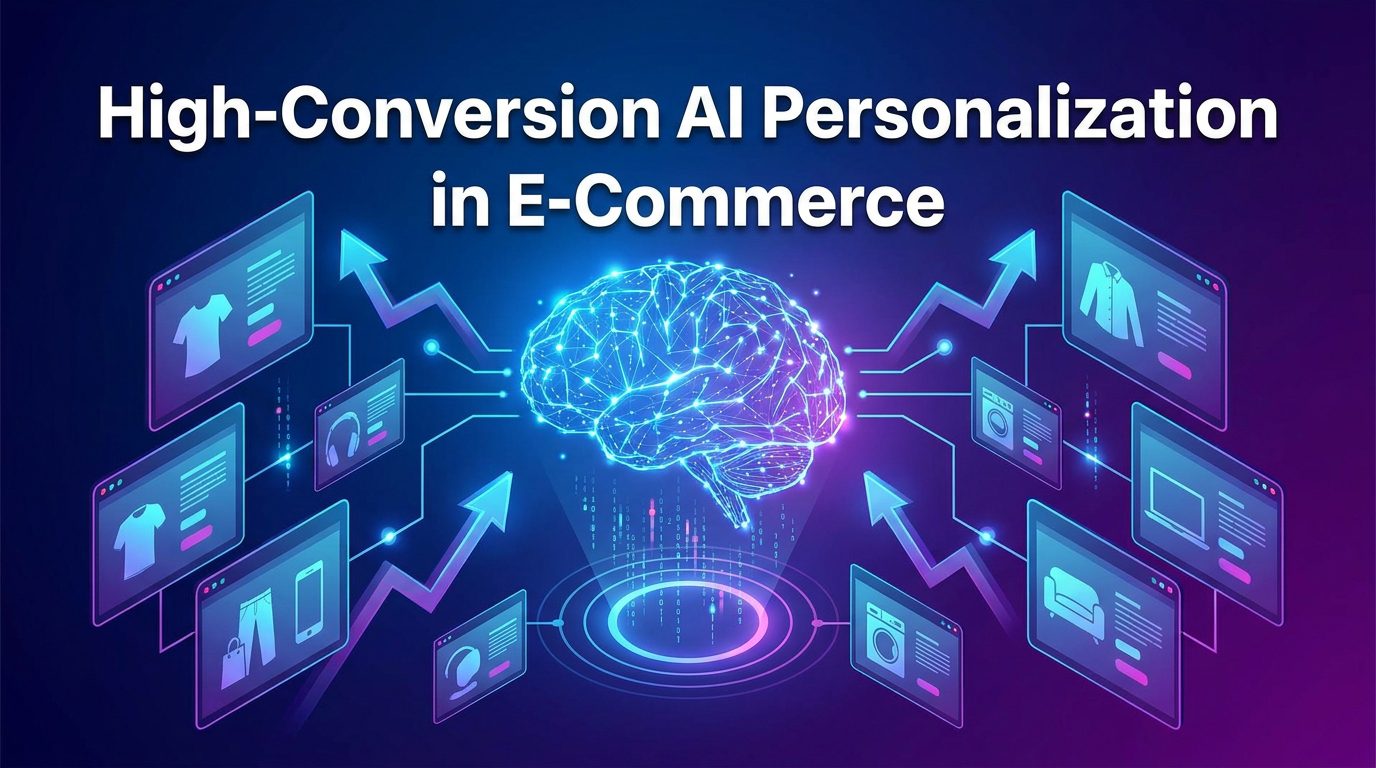
AI personalization in e-commerce uses artificial intelligence to shape shopping experiences around customer behavior, interests, and buying habits. Instead of showing identical products to every visitor, online stores display items that align with each shopper’s preferences. This creates a smoother, more relevant buying journey.
Imagine entering a store where the salesperson already knows your style, budget, and favorite brands. That is how AI personalization works online. It studies browsing activity, previous purchases, clicks, and search history to predict what customers may want next.
As online competition grows, shoppers expect fast and customized experiences. Generic websites often lose visitors quickly, while personalized stores keep users engaged and encourage repeat purchases.
Why Online Stores Need Personalization
The e-commerce industry has become crowded, with thousands of businesses competing for attention. AI personalization helps brands stand out by presenting products customers actually care about.
Modern consumers have short attention spans. If they cannot find something appealing immediately, they leave. Personalized recommendations, smart search tools, and tailored landing pages reduce frustration and improve conversion rates.
Retention is another major reason. Keeping existing customers is cheaper than constantly finding new ones. AI helps brands maintain long-term relationships through personalized emails, loyalty rewards, and relevant product suggestions.
How AI Personalization Works
AI personalization relies on data and machine learning. Every click, search, or purchase creates valuable information that helps systems understand shopping behavior.
For example, if someone frequently searches for fitness products, the AI system may start recommending gym wear, running shoes, or workout accessories during future visits.
Customer Data Collection
AI systems gather different types of information:
| Data Type | Example |
|---|---|
| Browsing Activity | Pages viewed |
| Purchase History | Previous orders |
| Search Behavior | Products searched |
| Device Usage | Mobile or desktop |
| Location Data | Country or region |
This data allows stores to create experiences that feel natural instead of random.
Machine Learning and Buying Patterns
Machine learning improves recommendations over time. The more data the system receives, the smarter it becomes at predicting customer interests.
For instance, AI may discover that people buying gaming laptops often purchase wireless headsets shortly afterward. The store can then recommend those products automatically.
Benefits of AI Personalization
AI personalization improves both customer experience and business performance.
Higher Conversion Rates
Personalized recommendations help customers discover products faster. This reduces decision fatigue and increases the chances of completing purchases.
When shoppers see products matching their interests, they click more, stay longer, and buy more often.
Better Customer Experience
Nobody wants to scroll through endless irrelevant products. AI personalization organizes content around customer preferences, making shopping faster and easier.
A smoother experience often leads to positive reviews, repeat visits, and stronger trust in the brand.
Increased Customer Loyalty
Personalization makes shoppers feel recognized and valued. When brands remember preferences and provide useful suggestions, customers develop stronger loyalty and return more frequently.
Popular AI Personalization Strategies
Many online stores combine several personalization methods to improve the customer journey.
Product Recommendations
Recommendation engines suggest products based on browsing history and previous purchases. Common examples include:
- “You May Also Like”
- “Customers Also Bought”
- “Recommended for You”
These suggestions increase both sales and customer convenience.
Personalized Emails
AI-powered emails target customers based on their actions. Someone who abandons a cart may receive a reminder email, while another customer may receive product recommendations related to past purchases.
Smart Search Results
AI search tools understand user intent, even when searches contain spelling mistakes or vague terms. This helps customers find products more quickly.
Dynamic Website Content
Dynamic websites change banners, promotions, and product displays depending on customer behavior, making the experience feel more personal.
Real Examples of AI Personalization
Many successful brands already rely on AI personalization.
Fashion E-Commerce Brands
Fashion retailers often recommend outfits based on browsing history, favorite colors, or previous purchases. Some brands even use virtual fitting tools powered by AI to suggest accurate clothing sizes.
Electronics and Tech Stores
Tech retailers use AI to recommend accessories alongside major purchases. Someone buying a smartphone may also see chargers, earbuds, or protective cases.
This strategy increases average order value while improving convenience for shoppers.
Challenges Businesses Face
Although AI personalization offers many advantages, it also comes with challenges.
Data Privacy Concerns
Customers care deeply about privacy and how their information is used. Businesses must remain transparent and follow data protection regulations carefully.
Poor Data Quality
AI systems depend on accurate data. Incorrect or incomplete information can lead to irrelevant recommendations and weak customer experiences.
Future of AI Personalization
AI personalization is evolving rapidly and becoming more predictive.
Predictive Shopping Experiences
Future AI systems may recommend products before customers even search for them. By analyzing buying patterns and shopping habits, AI can anticipate future needs.
Voice and Visual AI Shopping
Voice assistants and visual search tools are becoming more common. Customers may soon search for products using photos or voice commands instead of typing.
Conclusion
High-conversion AI personalization is reshaping e-commerce by making shopping smarter, faster, and more relevant. Customers now expect personalized experiences instead of generic product listings.
Businesses using AI effectively can improve conversion rates, increase loyalty, and create stronger customer relationships. As AI technology continues advancing, personalized shopping will become even more powerful and essential for online success.