
Understanding AI Sovereignty
What AI Sovereignty Really Means
Let’s keep it simple. AI sovereignty is about control. Not partial control, not shared control—full control. When a business owns its AI systems, data pipelines, and infrastructure, it doesn’t have to rely on external platforms to function. Think of it like owning your own office instead of renting a co-working space. You decide the rules, the security, and who gets access.
This idea has become incredibly important as AI moves from being a “nice-to-have” to a core business engine. Companies are no longer experimenting—they are building entire operations around AI. That means the risks are higher too. If your AI depends on external providers, then your business is indirectly dependent on them as well. That’s a risky position to be in.
AI sovereignty also extends beyond just where your data sits. It includes how your data is processed, how your models are trained, and who can interact with them. It’s about building a system that you fully understand and fully control from end to end. For many businesses, this is no longer optional—it’s becoming a strategic necessity.
Evolution from Cloud AI to Sovereign AI
A few years ago, cloud-based AI was the obvious choice. It was fast to deploy, easy to scale, and didn’t require heavy upfront investment. Companies could plug into APIs and start building right away. It felt like the perfect solution.
But over time, cracks started to appear. Businesses began noticing issues like unpredictable costs, limited customization, and concerns around data exposure. The convenience of the cloud came with trade-offs, and those trade-offs became harder to ignore as AI workloads grew.
Now, the trend is shifting. Instead of relying entirely on cloud providers, companies are building their own AI environments or combining cloud with private infrastructure. This shift reflects a deeper realization: when AI becomes central to your operations, outsourcing control can create long-term risks. As a result, businesses are moving toward sovereign AI models that offer more stability, security, and independence.
The Shift Toward Private and Offline AI
What is Private AI Infrastructure
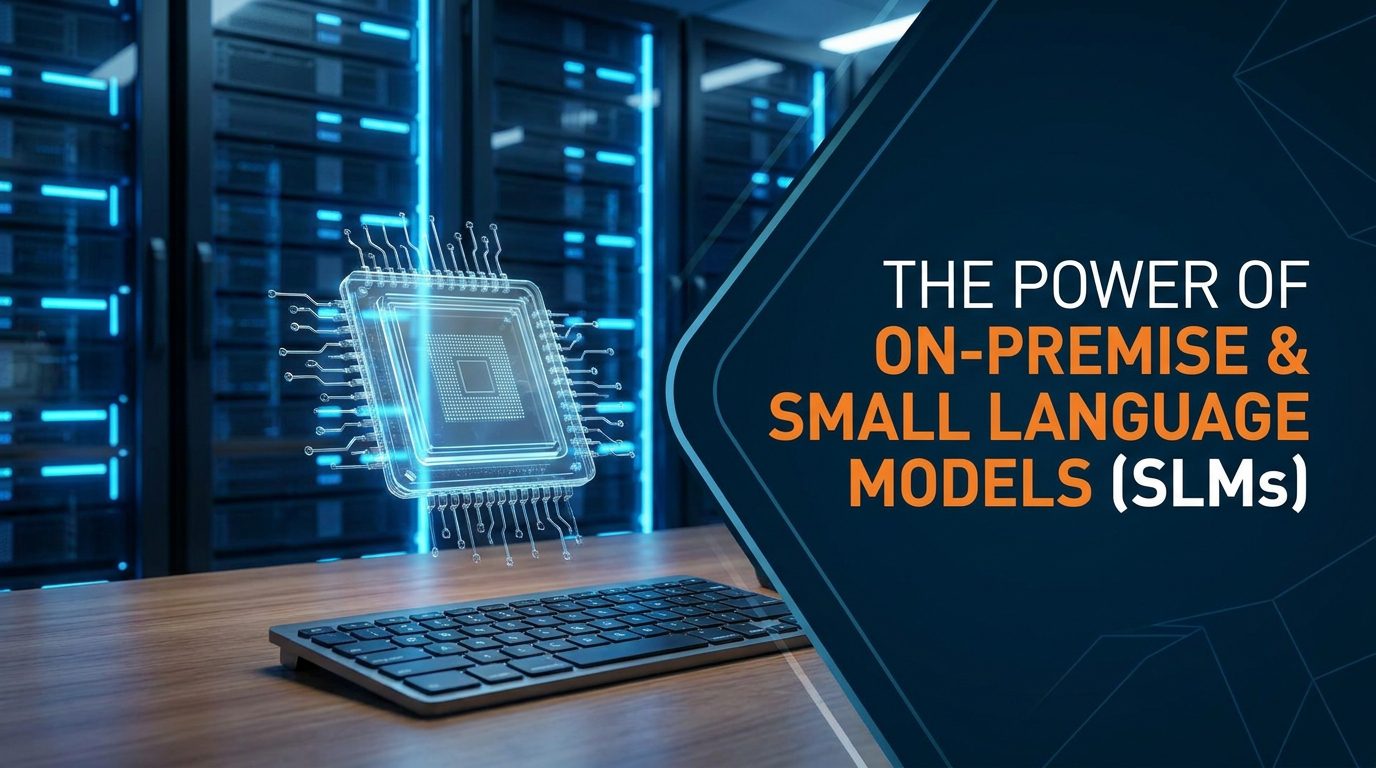
Private AI infrastructure means running your AI systems in an environment that you own or fully control. This could be on-premise servers, dedicated data centers, or private cloud environments that are not shared with other organizations. The key idea is exclusivity—your data and models are not mixed with anyone else’s.
This approach gives businesses a sense of ownership that public cloud solutions often cannot match. When everything runs within your own environment, you don’t have to worry about external access points or shared vulnerabilities. It’s like having a private vault instead of a shared storage unit.
Another major advantage is flexibility. With private infrastructure, companies can fine-tune their systems according to their specific needs. They are not limited by the constraints of a third-party provider. This level of customization is especially valuable for industries that rely on highly specialized data and workflows.
What is Offline (Air-Gapped) AI
Offline AI, often called air-gapped AI, takes security to the next level. These systems are completely disconnected from the internet. There is no external access, no cloud synchronization, and no risk of data leakage through online channels.
This might sound extreme, but for certain industries, it makes perfect sense. Think about defense organizations, financial institutions, or healthcare providers handling sensitive patient data. In these environments, even a small breach can have serious consequences.
Running AI in an offline environment ensures that data stays exactly where it belongs. It never leaves the system, and it is never exposed to external threats. While this approach requires more effort to maintain, it provides a level of security that is hard to achieve with connected systems.
Key Drivers Behind AI Sovereignty
Data Privacy and Security Concerns
Data is one of the most valuable assets a company has. Protecting it is not just a technical issue—it’s a business priority. As cyber threats become more advanced, companies are looking for ways to minimize their exposure.
Keeping data within a controlled environment significantly reduces the risk of breaches. When businesses rely on external platforms, they introduce additional points of vulnerability. By bringing AI systems in-house, they can limit access and maintain tighter control over sensitive information.
Rising Cloud Costs
Cloud services are often marketed as cost-effective, but that’s not always the case in the long run. As AI workloads grow, so do the costs associated with storage, computation, and data transfer. What starts as an affordable solution can quickly become expensive.
Private AI offers a different cost structure. While the initial investment may be higher, the ongoing costs are more predictable. For companies running large-scale AI operations, this can lead to significant savings over time.
Regulatory and Compliance Pressure
Governments and regulatory bodies are becoming stricter about how data is handled. Many regions now require companies to store and process data within specific geographic boundaries. This adds another layer of complexity for businesses using global cloud services.
Private AI makes compliance easier. When you control your infrastructure, you can ensure that your systems meet local regulations without relying on external providers to do it for you. This level of control simplifies compliance and reduces legal risks.
Control Over Intellectual Property
AI models are often trained on proprietary data that gives businesses a competitive edge. If that data is exposed or misused, it can have serious consequences. Public platforms may introduce risks related to data sharing or unintended exposure.
By using private AI systems, companies can protect their intellectual property. They can ensure that their models and data remain confidential and are not accessible to outside parties. This is especially important for organizations that rely on unique datasets to differentiate themselves in the market.
Benefits of Private, Offline AI
Enhanced Security and Data Protection
Security is the most obvious benefit of private AI. When systems are isolated and controlled, the risk of unauthorized access is significantly reduced. Data stays within the organization, and there are fewer entry points for potential attackers.
This level of protection is critical for industries that handle sensitive information. It allows businesses to operate with confidence, knowing that their data is secure.
Reduced Latency and Faster Processing
When AI systems run locally, they don’t need to send data to remote servers for processing. This reduces latency and improves performance. In many cases, the difference can be noticeable, especially for applications that require real-time responses.
Faster processing can lead to better user experiences and more efficient operations. It also allows businesses to make decisions more quickly, which can be a significant advantage in competitive environments.
Cost Optimization Over Time
While private AI requires upfront investment, it can be more cost-effective in the long run. Companies avoid ongoing subscription fees and reduce their reliance on external services. This makes budgeting easier and eliminates unexpected cost spikes.
Customization and Domain-Specific Intelligence
Private AI allows businesses to build models that are tailored to their specific needs. Instead of relying on generic solutions, they can create systems that understand their data and workflows in depth.
This leads to more accurate insights and better performance. It also gives companies a competitive advantage, as their AI systems are designed specifically for their industry and use cases.
Challenges of Moving to Sovereign AI
Infrastructure Complexity
Building and maintaining private AI infrastructure is not simple. It requires expertise in hardware, networking, and software development. Companies need to invest in the right tools and systems to make it work effectively.
Talent and Skill Gaps
There is a growing demand for professionals who understand AI infrastructure. Finding the right talent can be challenging, especially for organizations that are new to this space.
Initial Setup Costs
The upfront cost of setting up private AI systems can be significant. This includes hardware, software, and implementation expenses. However, many businesses view this as a long-term investment rather than a short-term cost.
Private AI vs Public Cloud AI
| Feature | Private AI | Public Cloud AI |
|---|---|---|
| Data Control | Full control | Limited control |
| Security | High | Moderate |
| Cost (Long-term) | Lower | Higher |
| Scalability | Moderate | High |
| Compliance | Easier | Complex |
Real-World Use Cases
Healthcare
In healthcare, data privacy is critical. Private AI systems allow hospitals to analyze patient data without exposing it to external networks. This helps maintain confidentiality while still benefiting from advanced analytics.
Finance and Banking
Financial institutions use private AI to detect fraud and manage transactions securely. By keeping data in-house, they reduce the risk of breaches and ensure compliance with strict regulations.
Manufacturing and Industry
Manufacturing companies use AI to monitor equipment and predict failures. Running these systems locally allows for faster responses and more reliable operations.
The Role of Edge AI and Small Language Models
Rise of Small Language Models
Large AI models are powerful, but they require significant resources. Smaller models offer a practical alternative. They are easier to deploy, faster to run, and well-suited for private environments.
These models make it possible for more businesses to adopt AI without relying on massive cloud infrastructure.
Edge Computing and Local Processing
Edge AI brings computation closer to where data is generated. This reduces the need for data transfer and improves efficiency. It also aligns perfectly with the idea of AI sovereignty, as processing happens within a controlled environment.
Hybrid AI: The Middle Ground
Combining Cloud and Private AI
Not every workload needs to be private. Many companies are adopting hybrid approaches that combine the flexibility of the cloud with the control of private systems. This allows them to balance performance, cost, and security.
Hybrid AI offers a practical path forward for organizations that want to transition gradually without giving up the benefits of cloud services entirely.
Future Trends in AI Sovereignty
Growth of Sovereign AI Investments
Investment in sovereign AI is increasing rapidly. As more companies recognize the importance of control and security, they are allocating resources to build private AI capabilities.
AI as Critical Infrastructure
AI is becoming as essential as electricity or the internet. Businesses rely on it for decision-making, automation, and innovation. Treating AI as critical infrastructure means prioritizing reliability, security, and control.
Conclusion
AI sovereignty represents a major shift in how businesses think about technology. It’s no longer just about using AI—it’s about owning it. Private and offline AI systems give companies the control they need to operate securely and efficiently.
This shift is not without challenges, but the benefits are clear. Businesses that invest in sovereign AI are better positioned to protect their data, reduce costs, and build systems that truly serve their needs. As AI continues to evolve, control will become even more important, making sovereignty a key factor in long-term success.