
Introduction to Bounded AI Agent Workflows
Building bounded AI agent workflows with human approval checkpoints is becoming a major priority as AI agents evolve rapidly. These systems can draft emails, process information, automate workflows, and even make decisions with minimal supervision. While this improves speed and efficiency, it also introduces serious risks. A single mistake, like approving a payment or exposing sensitive data, can create costly problems for businesses.
A bounded AI workflow means the system operates within strict rules and predefined limits. Think of it like a high-speed train running on fixed tracks. The AI can move quickly, but it cannot drift into dangerous territory. Humans still oversee sensitive decisions, creating a balance between automation and accountability.
How AI Agents Function in Modern Systems
AI agents are software-driven systems designed to complete tasks automatically. Some handle simple customer questions, while advanced models analyze contracts, organize workflows, and coordinate business operations. These systems rely on machine learning and automation logic to process decisions at remarkable speed.
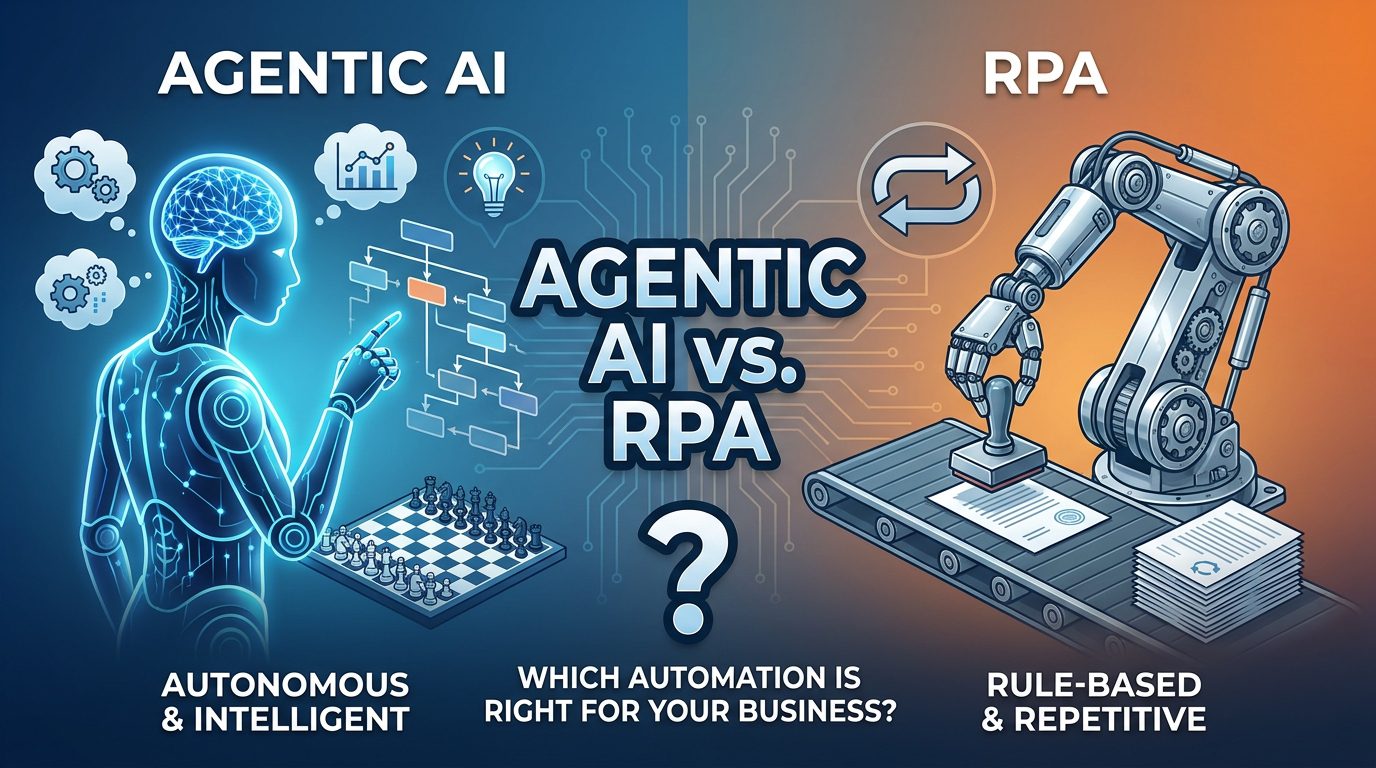
There are two common models, autonomous AI and controlled AI. Autonomous systems work with little human involvement, while controlled systems function inside carefully designed boundaries. Businesses increasingly favor controlled AI because it reduces operational uncertainty and improves reliability.
For example, an AI-powered publishing tool may generate blog drafts, improve grammar, and optimize SEO. However, a human editor still reviews and approves the article before publication. This structure boosts productivity without sacrificing accuracy or brand integrity.
Why Human Approval Checkpoints Matter
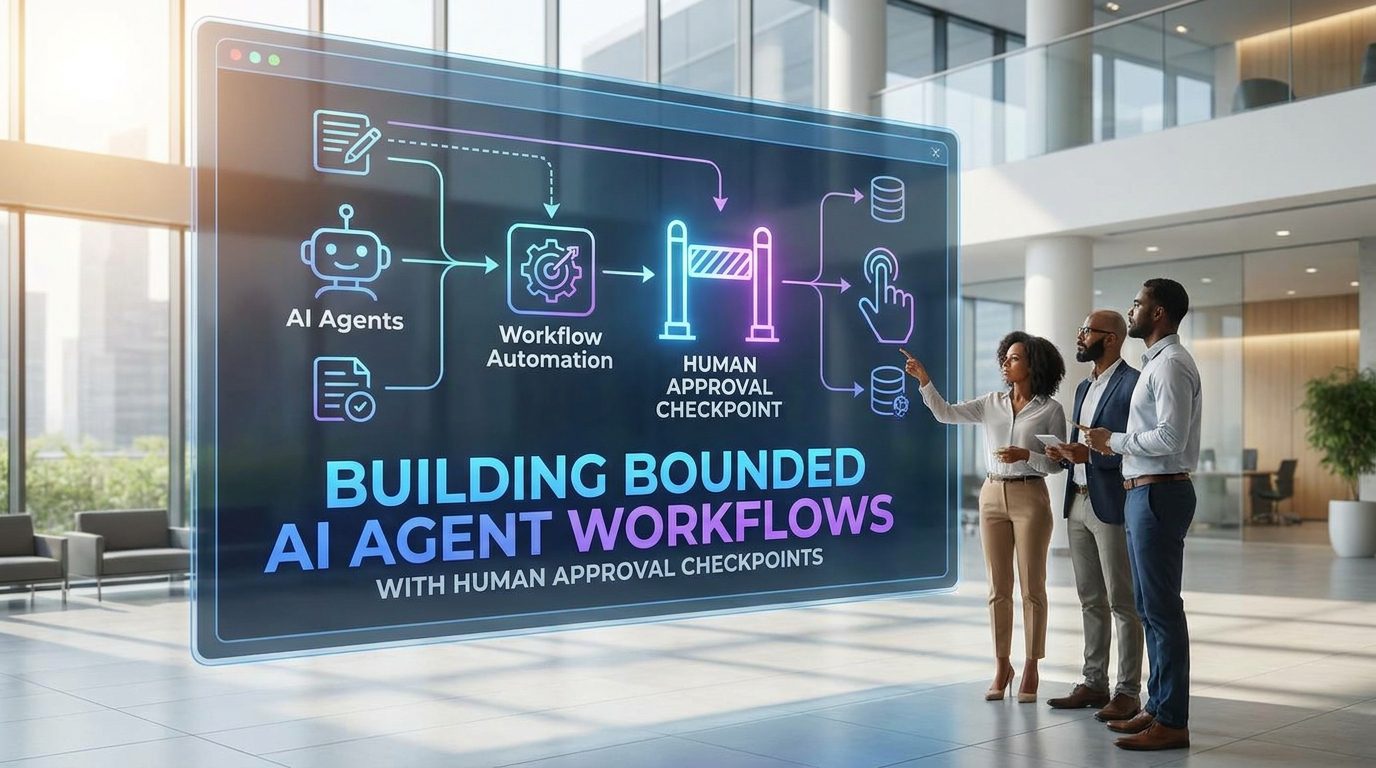
Human approval checkpoints act like digital security gates. The AI can handle routine tasks quickly, but important actions still require human authorization. These checkpoints are especially valuable in finance, healthcare, legal services, and customer communication.
Imagine an AI reimbursement system processing expense claims. Small claims may pass automatically, but larger transactions pause for managerial review. This simple safeguard helps prevent fraud and reduces costly mistakes.
Approval checkpoints also improve trust. Employees feel safer using AI when they know humans still control major decisions. Customers also gain confidence when businesses maintain visible oversight instead of relying entirely on automation.
Core Components of a Bounded Workflow
Every bounded AI workflow depends on several critical elements. The first is task boundaries, which define what the AI can and cannot do. A support chatbot, for instance, may answer questions but remain unable to approve high-value refunds.
The second element is permission layers. Different employees receive different approval rights depending on responsibility and risk level. This structure improves governance and prevents misuse.
Another essential feature is escalation rules. If the AI encounters uncertainty or unusual behavior, the system transfers the task to a human specialist. This prevents risky assumptions and keeps operations stable.
| Workflow Type | Human Involvement | Risk Level | Speed |
|---|---|---|---|
| Fully Autonomous AI | Very Low | High | Very Fast |
| Bounded AI Workflow | Moderate | Lower | Fast |
| Manual Workflow | Very High | Low | Slow |
Designing Safer AI Systems
Creating a safe AI workflow begins with clear operational boundaries. Businesses must define exactly what the AI is allowed to access, approve, or execute. Without strict rules, even advanced AI systems can behave unpredictably.
Approval checkpoints should focus on high-risk actions, such as approving payments, accessing private data, or publishing public content. Too many checkpoints can slow the workflow, so organizations must balance efficiency with oversight.
Monitoring is equally important. Businesses should track AI decisions through dashboards, logs, and audit systems. If unusual patterns appear, teams can respond quickly before small problems grow into larger operational failures.
Future of Bounded AI Systems
The future of AI workflows will likely center on collaboration instead of full replacement. Businesses want the efficiency of automation, but they still value human judgment, ethics, and contextual reasoning.
Future AI systems may become better at explaining their decisions by showing confidence scores, logic trails, and risk analysis. Governments are also introducing stricter AI regulations, which may make human approval checkpoints a standard requirement across many industries.
As AI technology advances, bounded AI systems will likely become the preferred model for enterprise automation because they combine speed, control, and accountability in a practical way.
Conclusion
Bounded AI agent workflows with human approval checkpoints create a balanced approach to automation. They allow organizations to move faster while maintaining trust, safety, and operational control. Instead of giving AI unrestricted authority, businesses establish clear boundaries and preserve human oversight for critical actions.
This hybrid model is especially valuable in industries where mistakes can be expensive or dangerous. By combining machine efficiency with human judgment, organizations can automate intelligently without exposing themselves to unnecessary risk.