
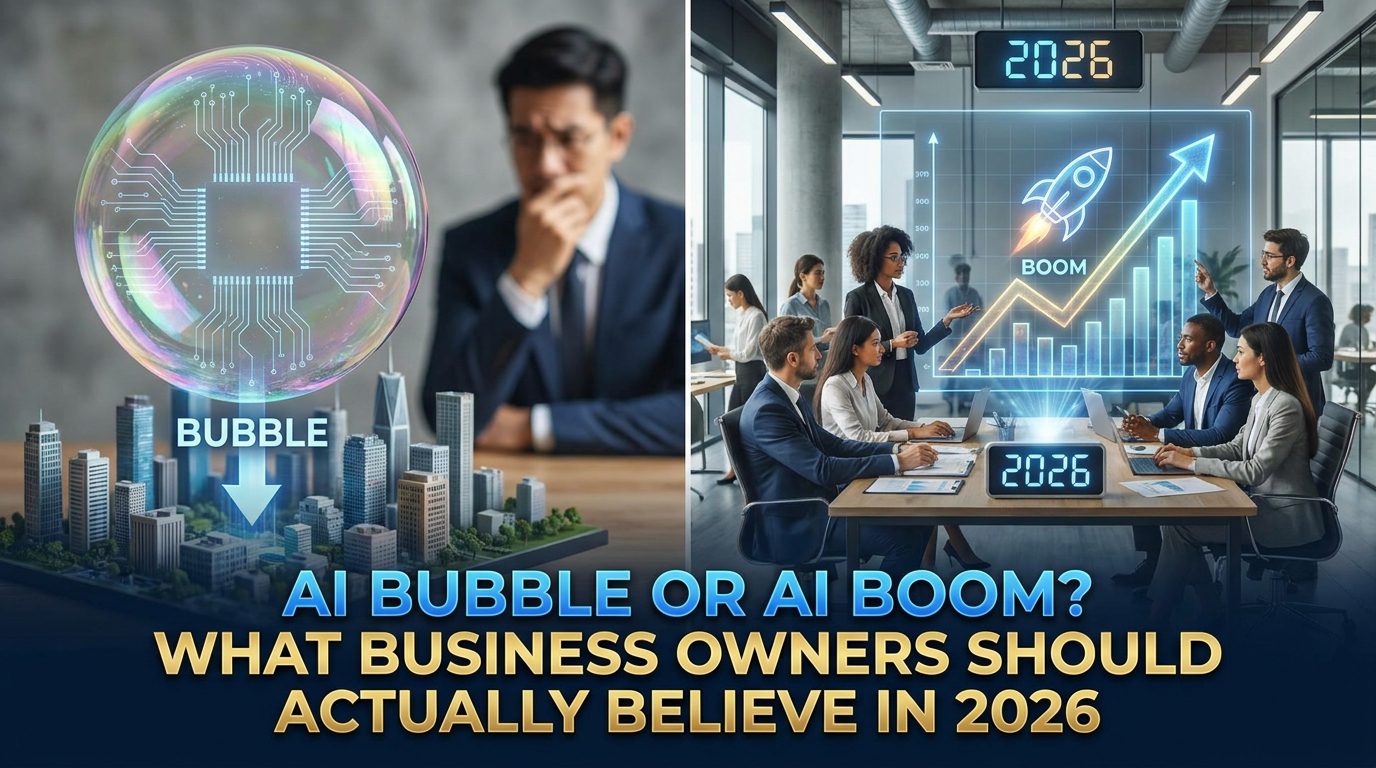
AI Bubble or AI Boom? What Business Owners Should Actually Believe in 2026
Artificial intelligence has become impossible to ignore in 2026. Nearly every business platform now carries some AI-driven feature, from automated customer support to predictive marketing systems. What once sounded futuristic now sits quietly inside daily operations. The real debate is no longer whether AI exists, it is whether this surge represents a lasting commercial revolution or another inflated tech craze destined to cool off.
Business owners remain divided. Some believe AI will erase entire job roles overnight, while others dismiss the excitement as overblown theater. Reality rests somewhere in the middle. AI is neither magical salvation nor meaningless hype. Businesses using it wisely are saving time, refining workflows, and strengthening profits. Meanwhile, companies refusing to adapt are beginning to lose ground in highly competitive markets.
Why Some People Call AI a Bubble
The “AI bubble” conversation largely comes from the enormous flow of investment money into artificial intelligence startups. Many companies attract massive funding despite weak products or shaky long-term strategies. That naturally reminds people of the dot-com era, when flashy concepts often received attention without producing sustainable value.
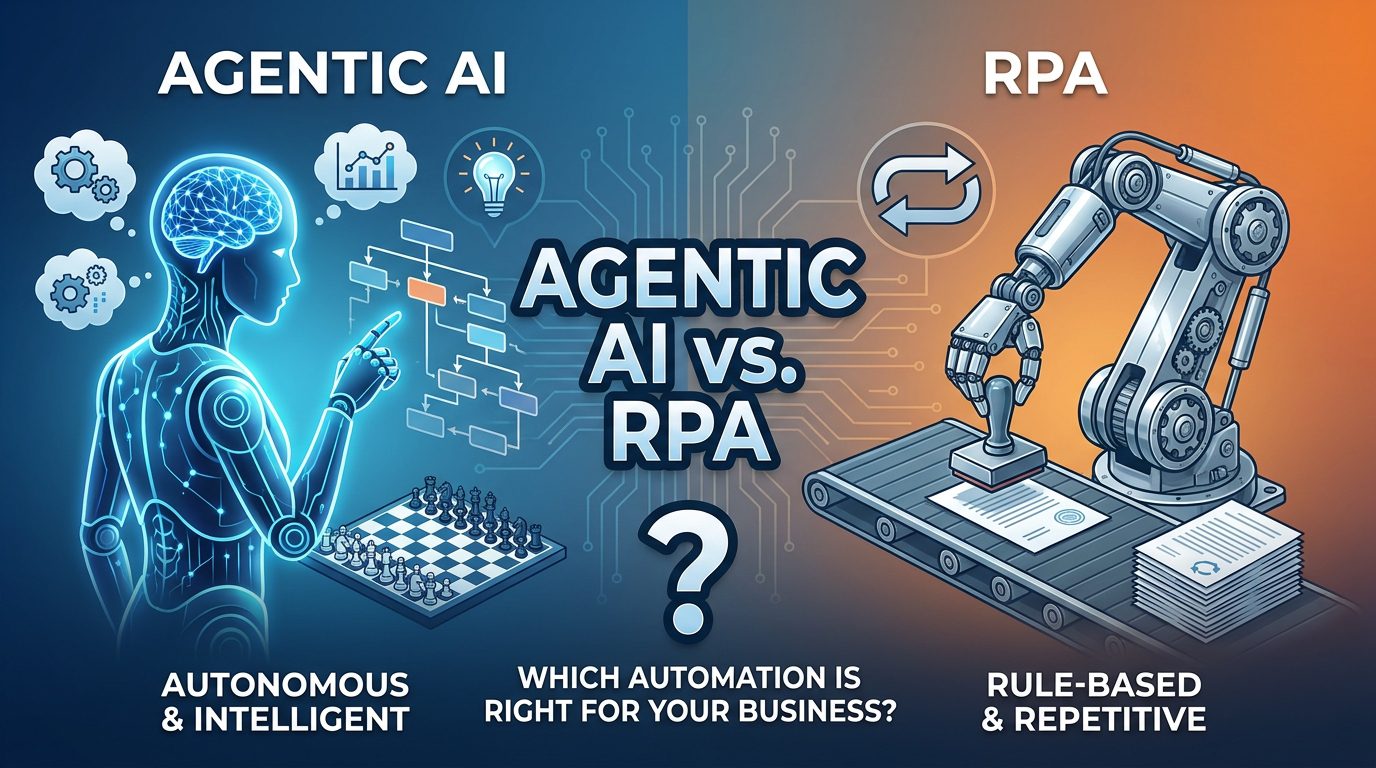
Another concern is unrealistic expectation. Some business leaders imagine AI replacing creativity, leadership, and strategic thinking entirely. In reality, AI still depends heavily on human direction. It can automate repetitive assignments and process data rapidly, but it cannot replicate emotional intelligence, negotiation skills, or authentic human judgment.
Rapid competition also fuels skepticism. New AI tools appear almost daily, making the market feel overcrowded and chaotic. Yet fast growth alone does not mean the technology itself lacks substance.
Why AI Still Matters for Businesses
Despite the noise surrounding it, AI is already delivering practical value. Businesses are using it to automate routine tasks, improve customer service, analyze data faster, and sharpen marketing decisions. These are not distant promises, they are active business advantages happening right now.
Customer support offers a clear example. AI-powered chat systems can instantly answer common questions, allowing human teams to focus on more complicated issues. That reduces pressure, saves money, and improves response speed for customers.
Marketing has shifted dramatically as well. AI tools can examine massive amounts of consumer behavior data within minutes. Instead of relying on guesswork, companies can make sharper decisions based on actual patterns and audience behavior.
Small businesses are benefiting too. Advanced tools that once belonged only to giant corporations are now accessible to smaller brands with limited budgets. AI is helping level the commercial playing field.
What Smart Business Owners Should Focus On
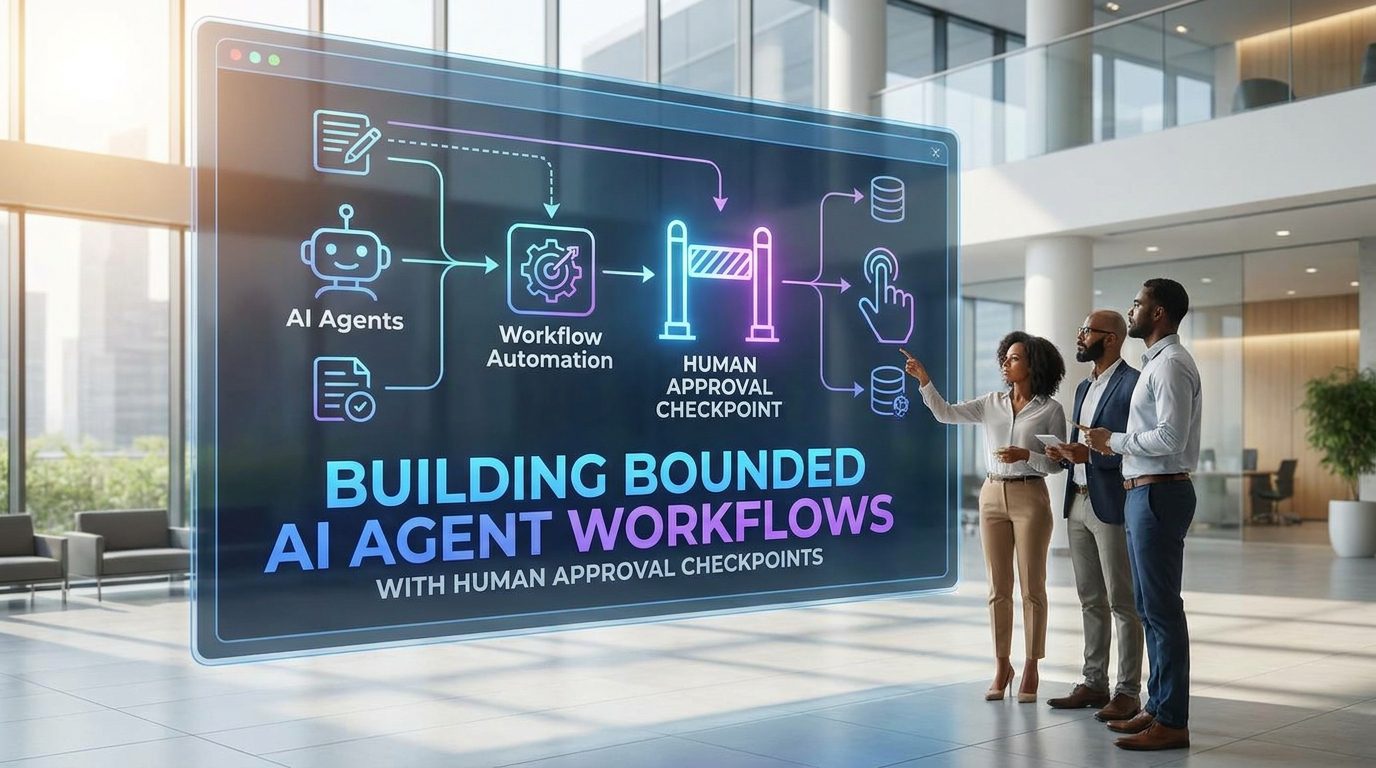
The smartest companies are not replacing humans entirely. They are blending human intelligence with machine efficiency. AI performs best when managing repetitive work, while people focus on leadership, creativity, and relationship-building.
Here are a few areas where AI creates strong business impact:
| Business Area | AI Advantage |
|---|---|
| Customer Service | Faster replies and 24/7 support |
| Marketing | Better targeting and campaign insights |
| Sales | Smarter lead analysis |
| Operations | Workflow automation |
| Analytics | Faster reporting and forecasting |
Training also matters. AI tools become useless if employees do not understand how to use them effectively. Businesses investing in education and strategy often outperform competitors chasing random AI trends without a clear direction.
The Biggest Risk Businesses Face
The real danger is blind adoption. Some companies rush into AI integration without understanding privacy risks, inaccurate outputs, or customer trust issues. Not every AI tool deserves investment.
Customers still value human interaction. If every response feels robotic, brands begin losing authenticity. Convenience matters, but genuine connection still drives loyalty.
Data privacy is another growing concern. Governments are tightening regulations around AI usage and customer information. Companies ignoring compliance could face legal trouble and reputational damage.
Final Thoughts
AI in 2026 is not simply a bubble, and it is not flawless magic either. It is a powerful commercial tool wrapped in enormous hype. Some businesses will fail after chasing trends without strategy. Others will thrive because they use AI with precision and balance.
The companies succeeding today are not blindly replacing humans with machines. They are combining automation with human intelligence to build faster, smarter, and more adaptable businesses.