
Introduction to AI-Powered Fraud Detection
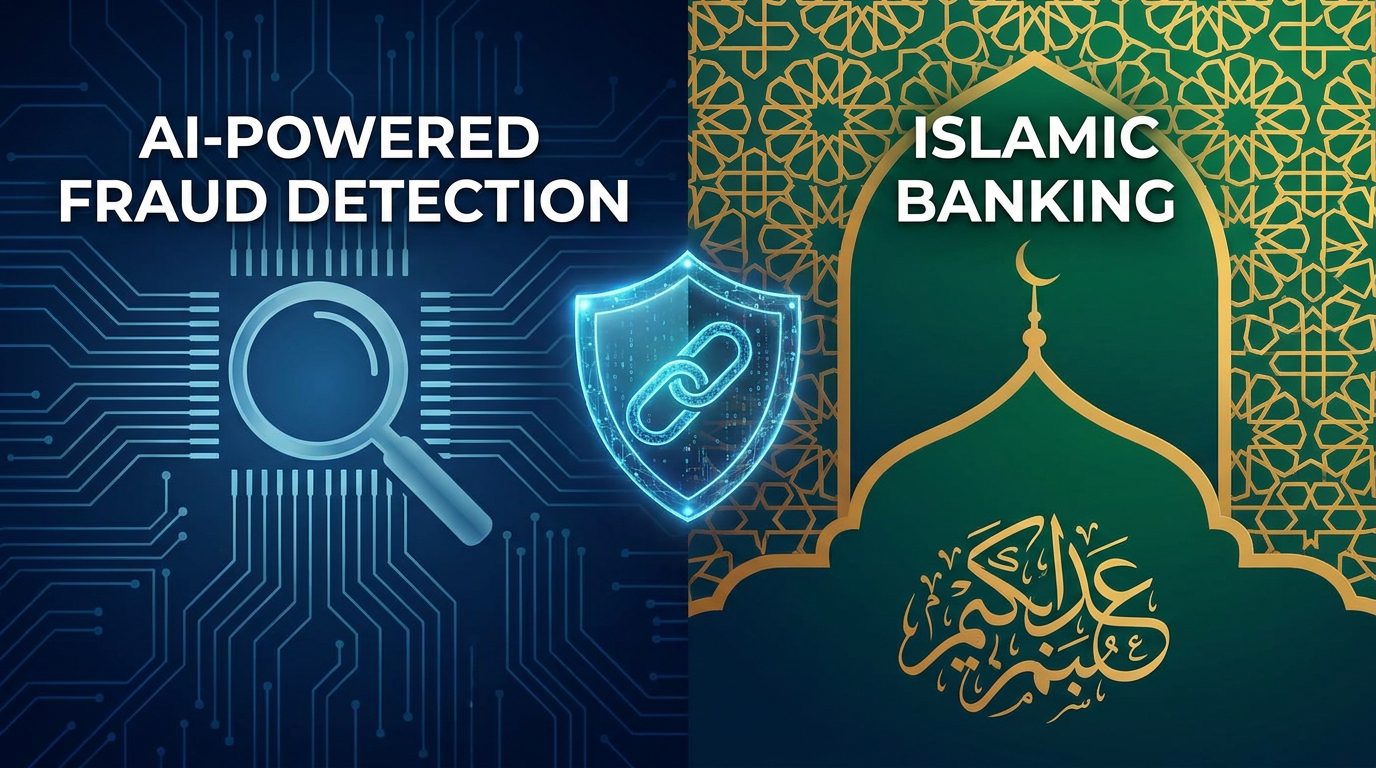
The banking landscape is shifting rapidly, and digital fraud is becoming far more sophisticated than before. Islamic banks are now facing relentless cyber threats, including fake transactions, identity manipulation, and account infiltration. Older fraud prevention systems struggle to detect these evolving attacks because cybercriminals use highly advanced digital tactics. This is where AI-powered fraud detection systems are transforming modern Islamic banking.
Artificial Intelligence allows banks to monitor transactions instantly, instead of relying solely on slow manual reviews. These intelligent systems study customer behavior, recognize abnormal activity, and flag suspicious movements within seconds. AI acts like a silent digital guardian, constantly observing banking operations and stopping threats before they escalate into financial disasters.
Understanding Islamic Banking Systems
Islamic banking operates under Shariah principles, focusing on ethical finance, transparency, and fairness. Unlike conventional banks, Islamic institutions avoid interest-based dealings and instead use systems such as Murabaha, Mudarabah, and Ijarah. Trust plays a massive role in this financial structure, making customer protection a top priority.
Even with strong ethical foundations, Islamic banks remain vulnerable to cybercrime. Fraudsters target online banking platforms, payment gateways, and mobile applications to exploit weak security points. Risks such as identity theft, money laundering, and account hacking continue to rise as digital banking expands across global markets.
Role of AI in Fraud Detection
AI-powered fraud detection combines machine learning, predictive analytics, and behavioral intelligence to uncover suspicious activity. These systems learn normal customer behavior patterns and immediately detect unusual transactions. For instance, if a customer suddenly attempts a large international transfer from an unfamiliar device, the AI system can instantly identify the activity as suspicious.
One major strength of AI is real-time monitoring. Instead of reacting after fraud occurs, Islamic banks can prevent threats while transactions are happening. AI systems can freeze accounts, block abnormal payments, and reduce financial losses almost immediately. At the same time, AI reduces false alarms by understanding customer habits more accurately than traditional security systems.
Benefits of AI Fraud Detection in Islamic Banking
Speed is one of AI’s biggest advantages. Banks process millions of transactions daily, and manual monitoring simply cannot keep pace. AI systems analyze enormous datasets within seconds, helping institutions stop fraud before major damage occurs.
AI also improves detection accuracy. Fraud patterns evolve constantly, but intelligent systems continue learning and adapting with every new data point. This makes them far more effective at spotting hidden scams than older rule-based systems.
Customer confidence also increases when advanced security systems are in place. People want digital banking experiences that feel secure and reliable. AI-driven protection helps Islamic banks maintain trust while improving operational efficiency and regulatory compliance.
Challenges of AI Adoption
Despite its strengths, AI adoption comes with several obstacles. Building advanced fraud detection systems requires expensive software, skilled professionals, and strong digital infrastructure. Smaller Islamic banks may struggle with these financial demands.
Data privacy is another critical concern. AI systems depend on large volumes of customer information, meaning banks must maintain strict cybersecurity measures to prevent unauthorized access. There is also a shortage of specialists who understand both Artificial Intelligence and Islamic financial frameworks.
Maintaining Shariah compliance is equally important. AI systems must operate fairly, ethically, and without bias. Proper oversight is necessary to ensure technology aligns with Islamic banking values.
Future of AI in Islamic Banking
The future of Islamic banking is becoming increasingly digital, and AI will remain central to this transformation. Banks are investing heavily in smart technologies to improve security, customer service, and operational performance.
In the years ahead, AI may work alongside blockchain, facial recognition, and biometric verification to create stronger banking ecosystems. These technologies could make unauthorized account access extremely difficult for cybercriminals.
Islamic banks that embrace AI-powered fraud detection systems will likely gain a major competitive edge. Stronger protection, faster services, and improved customer trust will define the next generation of digital Islamic finance.
Conclusion
AI-powered fraud detection systems are reshaping Islamic banking by delivering faster, smarter, and more dependable security solutions. Traditional fraud prevention methods are no longer enough to combat modern cyber threats. AI technologies help banks detect suspicious activity in real time, reduce financial risks, and strengthen customer confidence.
Islamic banking depends heavily on trust, transparency, and ethical conduct. AI supports these principles by improving transaction monitoring, protecting sensitive information, and helping institutions remain compliant with financial regulations. As digital banking continues to evolve, AI will become an essential pillar of secure and efficient Islamic finance.