
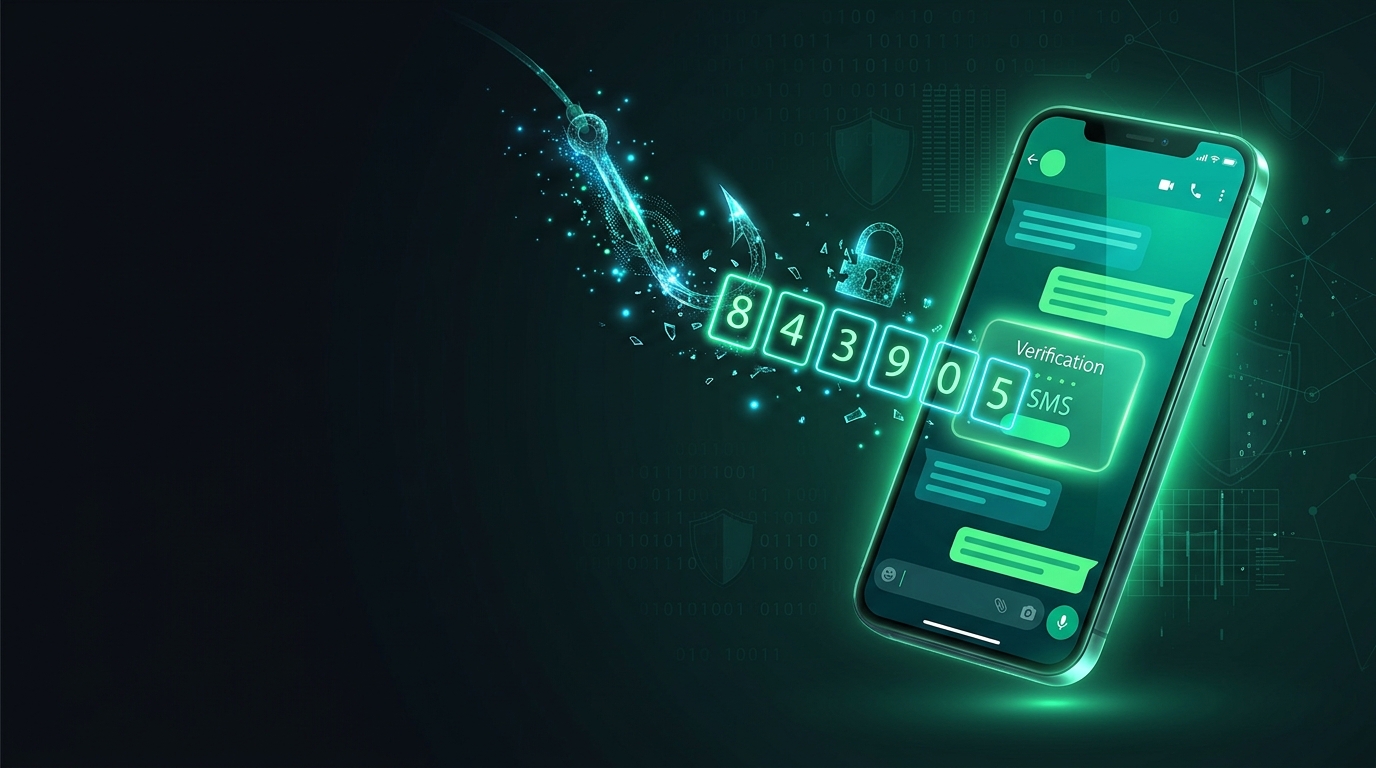
WhatsApp has become one of the most widely used messaging platforms for personal communication, business conversations, and sharing important information. However, its popularity also makes it an attractive target for cybercriminals. WhatsApp phishing is a form of online fraud in which attackers trick users into revealing sensitive information, sharing verification codes, or granting unauthorized access to their accounts.
Understanding how these attacks work can help individuals and businesses protect their digital identities in 2026.
What Is WhatsApp Phishing?
WhatsApp phishing occurs when scammers impersonate trusted people, organizations, or legitimate services to manipulate users into taking unsafe actions. These attacks often involve fraudulent messages, deceptive websites, malicious links, or fake account verification requests.
Unlike traditional hacking, many phishing attacks rely on social engineering rather than exploiting technical vulnerabilities. Attackers create a sense of urgency or trust to convince victims to follow instructions without verifying their authenticity.
Common WhatsApp Phishing Techniques in 2026
1. Fake WhatsApp Login Pages
Cybercriminals create websites that imitate legitimate WhatsApp login or verification pages. Victims may be asked to enter information or scan a QR code. Depending on the attack, this can expose credentials or allow an attacker to link an unauthorized device.
Always verify the website address before interacting with a login page.
2. WhatsApp Verification Code Scams
Scammers may contact users while pretending to be a friend, support representative, or trusted organization. They attempt to persuade victims to share their WhatsApp verification code.
If an attacker obtains the code and completes the account registration process, they may take control of the victim’s account. Never share your verification code with anyone.
3. Malicious Links and Fake Websites
Phishing messages may contain links promising prizes, employment opportunities, account verification, or urgent security updates. These links can lead to fraudulent websites designed to steal information or distribute malware.
A website displaying a padlock or HTTPS connection is not necessarily trustworthy. Check the domain carefully before providing personal information.
4. QR Code Phishing
Attackers can distribute deceptive QR codes through messages, social media, or websites. If a victim scans a code and approves an unauthorized device-linking request, an attacker may gain access to the account through that linked session.
Only link devices through WhatsApp’s official interface and review linked devices regularly.
How to Protect Your WhatsApp Account
Follow these essential security practices:
- Enable two-step verification and add a recovery email where supported.
- Never share verification codes or two-step verification PINs.
- Avoid clicking suspicious links or downloading unexpected attachments.
- Review WhatsApp’s Linked Devices section and remove unfamiliar sessions.
- Verify unusual financial requests directly with the person making them.
- Keep WhatsApp and your device’s operating system updated.
- Report and block suspicious accounts through WhatsApp.
If your account is compromised, follow WhatsApp’s official account recovery instructions and warn your contacts through another communication channel.
How Businesses Can Reduce WhatsApp Phishing Risks
Businesses should educate employees about social engineering, establish clear procedures for verifying financial requests, and encourage prompt reporting of suspicious messages. Organizations can also use threat intelligence and security monitoring to identify malicious domains impersonating trusted brands.
Conclusion
WhatsApp phishing remains a significant digital security concern because attackers exploit trust, urgency, and familiar communication channels. Recognizing fake login pages, verification scams, suspicious links, and unauthorized device requests can reduce the risk of account compromise.
At LogIQ Curve, we support a more secure digital environment through technology solutions and cybersecurity awareness. Staying informed, verifying suspicious requests, and following basic security practices are essential steps toward protecting your online identity.
Visit LogIQ Curve to learn more about our technology and digital solutions.