

Understanding AI Adoption in the GCC
Current AI Adoption Trends
Artificial Intelligence is quickly becoming part of everyday business operations across the GCC region. Countries like the UAE and Saudi Arabia are investing heavily in digital transformation, and this push is influencing even the smallest businesses. Many companies are already experimenting with AI tools for marketing, customer service, and operations. However, there is still a gap between adoption and actual results, especially among smaller firms.
This gap often comes down to execution. Businesses try AI tools but don’t fully integrate them into their workflows. It is similar to buying a powerful machine but only using a small part of its features. Small businesses often assume AI is complex or requires technical expertise, which leads to hesitation. In reality, modern AI tools are designed for ease of use. The barrier is no longer technology but awareness and proper implementation.
Another important factor is the workforce. Employees in the GCC are increasingly comfortable using digital tools, including AI. This creates a strong foundation for adoption. The opportunity is clear: small businesses can tap into this growing familiarity and start using AI without needing a full IT department.
Why Small Businesses Lag Behind
Despite the growing interest, small businesses still trail behind larger organizations when it comes to AI adoption. One of the main reasons is perception. Many small business owners believe AI is expensive, complicated, or only meant for big corporations. This misconception prevents them from even exploring available options.
Another challenge is lack of structure. Large companies have dedicated teams to test and implement new technologies, while small businesses often rely on a few individuals handling multiple roles. This makes it harder to focus on innovation. Time becomes a major constraint, and AI adoption gets pushed aside.
There is also the fear of failure. Small businesses cannot afford costly mistakes, so they tend to stick with what already works. However, avoiding AI altogether can be a bigger risk in the long run. As competitors adopt automation, those who do not may struggle to keep up. The key is to start small and scale gradually, reducing risk while gaining experience.
Why AI Automation Matters for Small Businesses
Cost Savings and Efficiency
AI automation offers one of the most immediate benefits: saving time and money. Small businesses often operate with limited resources, so efficiency is critical. By automating repetitive tasks, AI allows teams to focus on more valuable activities like strategy and customer engagement.
Consider everyday operations such as responding to customer inquiries, posting on social media, or managing invoices. These tasks are necessary but time-consuming. AI tools can handle them quickly and consistently, reducing the workload on employees. Over time, this leads to significant cost savings, as businesses can achieve more without hiring additional staff.
Another advantage is consistency. Human work can vary depending on mood, workload, or experience. AI, on the other hand, performs tasks in a consistent manner. This ensures a reliable customer experience, which is crucial for building trust and loyalty.
Competitive Advantage in Local Markets
In competitive GCC markets, speed and responsiveness can make or break a business. Customers expect quick replies, personalized service, and smooth interactions. AI helps small businesses meet these expectations without stretching their resources.
For example, an AI-powered chatbot can respond to customer queries instantly, even outside business hours. This creates a better customer experience and increases the chances of conversion. Similarly, AI-driven marketing tools can analyze customer behavior and send targeted messages, improving engagement and sales.
The real advantage lies in leveling the playing field. Small businesses can compete with larger companies by using the same advanced tools. Instead of being limited by size, they can focus on agility and innovation. AI becomes a tool for growth rather than a luxury.
Common Challenges Without an IT Team
Talent Shortage
One of the biggest obstacles for small businesses is the lack of technical expertise. Hiring skilled professionals in AI or data science can be expensive and difficult. For many small companies, this is simply not an option.
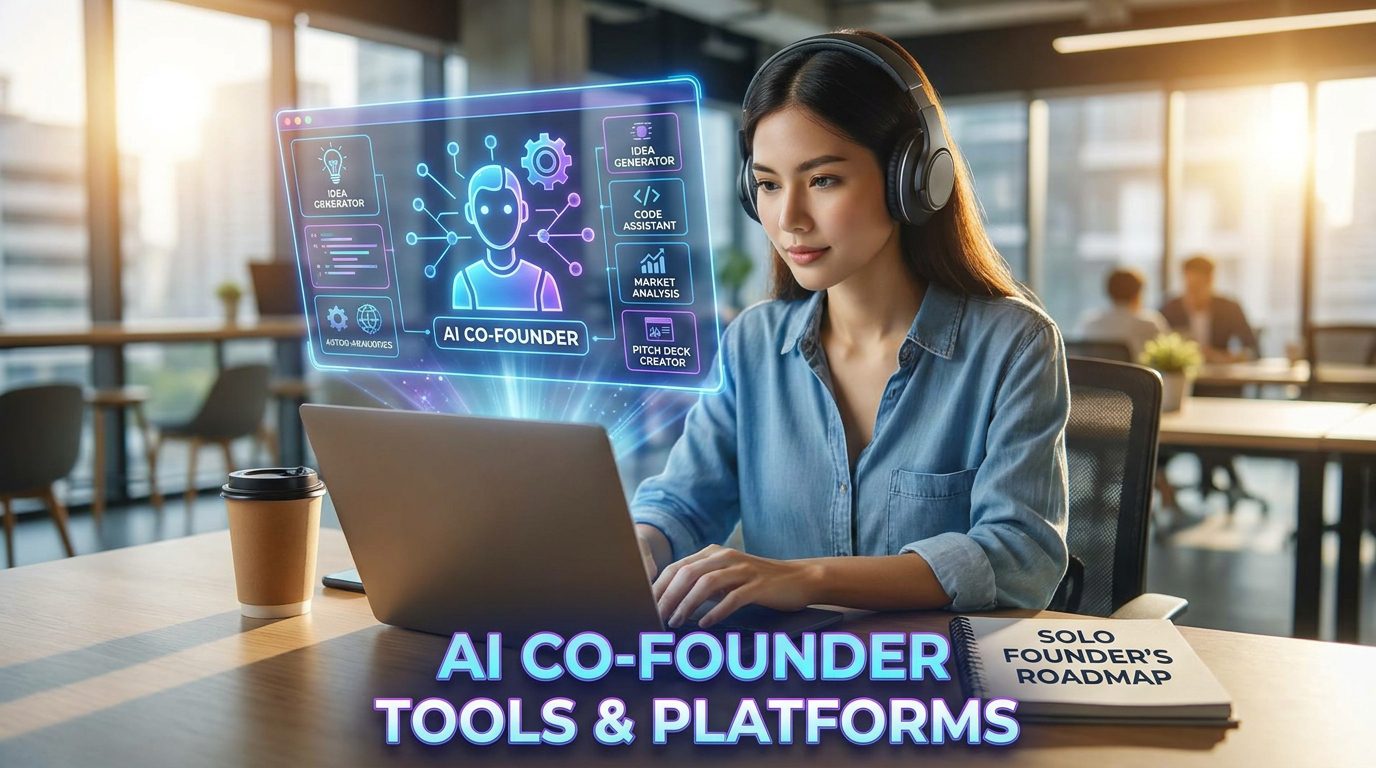
Fortunately, the rise of no-code and low-code tools has changed the landscape. These platforms are designed for non-technical users, allowing anyone to set up and use AI features. This eliminates the need for a dedicated IT team.
The focus shifts from technical knowledge to practical application. Business owners and employees can learn how to use these tools through simple tutorials and guides. This makes AI accessible to a much wider audience.
Budget Constraints
Budget is another major concern. Small businesses often operate on tight margins, so any investment must deliver clear value. The idea of spending heavily on technology can be intimidating.
However, many AI tools are now available on subscription models. This means businesses can pay a small monthly fee instead of making a large upfront investment. Some tools even offer free versions with basic features, allowing businesses to test them before committing.
This flexibility makes it easier to adopt AI gradually. Instead of a big financial risk, it becomes a manageable expense. Over time, the savings and efficiency gains can outweigh the costs.
Types of AI Tools That Require No Coding
Chatbots and Customer Support Tools
Chatbots are one of the simplest ways to start using AI. They can handle common customer queries, provide information, and even assist with bookings or purchases. Setting up a chatbot usually involves selecting a platform, defining responses, and connecting it to a website or messaging app.
For small businesses, this can significantly reduce the workload on customer support teams. Instead of answering the same questions repeatedly, employees can focus on more complex issues. Customers also benefit from instant responses, improving satisfaction.
Another advantage is scalability. As the business grows, the chatbot can handle an increasing number of interactions without additional cost. This makes it a practical solution for businesses with limited resources.
Marketing Automation Tools
Marketing is another area where AI can make a big impact. Tools are available to generate content, schedule posts, and analyze performance. This helps businesses maintain a consistent online presence without spending hours on manual work.
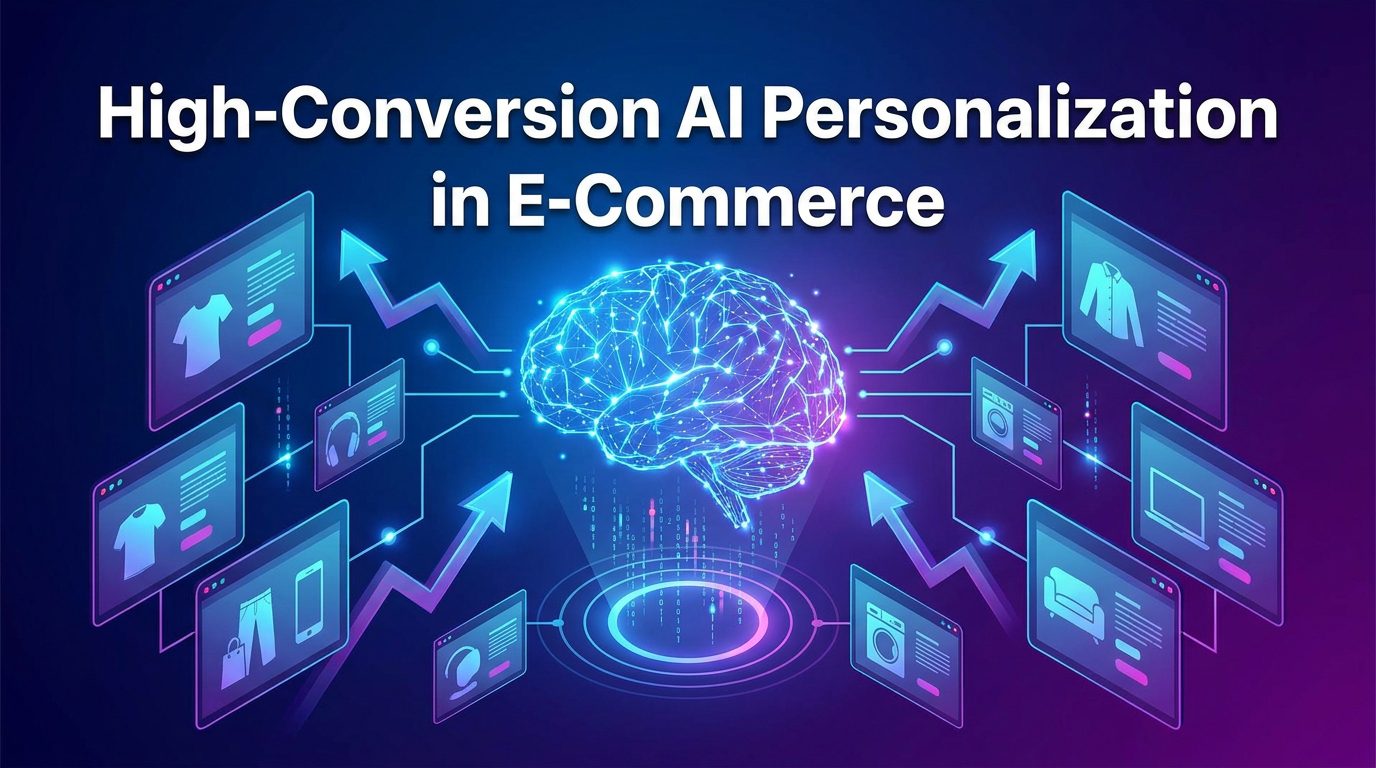
AI can also personalize marketing efforts. By analyzing customer data, it can suggest products, create targeted campaigns, and improve engagement. This leads to better results compared to generic marketing strategies.
For small businesses, this means achieving professional-level marketing without hiring a full team. It allows them to compete effectively in digital spaces where visibility is crucial.
Cloud-Based AI Solutions for GCC SMEs
Benefits of SaaS AI Platforms
Cloud-based AI platforms have made advanced technology more accessible than ever. These tools operate online, so there is no need for expensive hardware or maintenance. Businesses can simply sign up and start using them.
One of the biggest advantages is ease of use. Most platforms are designed with user-friendly interfaces, making them accessible to non-technical users. Updates and improvements are handled automatically, ensuring that businesses always have access to the latest features.
Scalability is another key benefit. As the business grows, it can upgrade its plan or add more features. This flexibility allows businesses to adapt without major disruptions.
Popular Use Cases in GCC Businesses
In the GCC, AI is commonly used in areas like marketing, customer service, and operations. These functions offer quick returns and are relatively easy to automate. Small businesses can start with these areas and expand gradually.
For example, a retail business can use AI to recommend products, while a service-based company can automate appointment scheduling. These applications improve efficiency and enhance the customer experience.
The key is to focus on practical use cases that deliver immediate value. This builds confidence and encourages further adoption.
Step-by-Step Guide to Start AI Automation
Identify Repetitive Tasks
The first step is to identify tasks that are repetitive and time-consuming. These are the best candidates for automation. By focusing on these areas, businesses can achieve quick wins and see immediate benefits.
Choose Simple Tools First
Starting with simple tools reduces complexity and risk. It allows businesses to learn and adapt without feeling overwhelmed. As confidence grows, more advanced tools can be introduced.
Train Your Team Gradually
Training is essential for successful adoption. Employees should understand how to use the tools and how they fit into daily operations. Gradual training ensures a smooth transition and reduces resistance to change.
Best AI Use Cases for Small Businesses
Sales and Marketing Automation
AI can help generate leads, personalize campaigns, and analyze customer behavior. This improves efficiency and increases the chances of success.
Customer Service Automation
Automating customer service reduces response times and improves satisfaction. It also frees up employees to focus on more complex tasks.
Financial and Accounting Automation
AI tools can manage invoices, track expenses, and provide financial insights. This reduces errors and saves time.
Cost Comparison: AI vs Hiring Staff
| Task | Hiring Staff (Monthly Cost) | AI Tool Cost |
|---|---|---|
| Customer Support | $800–$1500 | $20–$100 |
| Marketing | $1000+ | $30–$150 |
| Data Analysis | $1500+ | $50–$200 |
Risks and How to Avoid Them
AI adoption comes with certain risks, including data privacy concerns and inaccurate outputs. To manage these risks, businesses should use trusted tools, monitor performance, and maintain human oversight.
Future of AI for Small Businesses in GCC
The future of AI in the GCC looks promising. Governments are investing in technology, and adoption is expected to grow rapidly. Small businesses that start now will be better positioned to benefit from these developments.
Conclusion
AI automation is no longer limited to large organizations. Small businesses in the GCC can use it effectively without a large IT team. By starting small, choosing the right tools, and focusing on practical applications, they can achieve significant improvements in efficiency and competitiveness.